
Reviewed · 1-DAY TOURS
Hadrian’s Wall & Roman Britain 1-Day Tour from Edinburgh
Roman Britain hits different up close. Vindolanda and Hadrian’s Wall make this day tour feel real fast, with real walking time at the places you usually only see in photos.
I also love how the route builds atmosphere, not just monuments. Stops like Jedburgh and Birdoswald give you that sense of the North England borderland, where stone walls, churches, and forts all grew from the same tense centuries.
One possible drawback: it’s a long day with no meals included, plus you’ll do a fair amount of walking. Bring snacks, wear grippy shoes, and pack layers because it can turn cold and windy even when the drive looks calm.
In This Review
- Key highlights to know before you go
- From Edinburgh to the Roman Frontier: How the Day Actually Flows
- Jedburgh Abbey and the Border Town Mood
- Dere Street, Carter Bar, and Crossing the Border the Old Way
- Steel Rigg to Birdoswald: Walking the Wall Without Feeling Rushed
- Vindolanda Roman Army Museum: The Artifacts That Make Rome Feel Normal
- Lanercost and the Western Gateway Perspective
- Moffat and the Real-Life Road Break You Need
- What $56 Gets You: Value That Comes From Included Entry and Guide Time
- Timing, Walking, Weather, and Comfort: Your Day-Bag Checklist
- Who This Tour Suits Best (and Who Might Want Something Else)
- Should You Book This Hadrian’s Wall Day Trip?
- FAQ
- Where do I meet the guide in Edinburgh?
- How long is the tour?
- How much does it cost?
- What is included in the tour price?
- Are meals included?
- What happens if I travel in January or early February?
- Is there a luggage limit?
- Are children allowed?
- What are the cancellation and payment options?
Key highlights to know before you go
- Vindolanda Roman Army Museum access: See everyday Roman life through artifacts from the fort and excavations.
- Wall time at Steel Rigg: Walk beside the wall and get a feel for how isolated the soldiers must have been.
- Birdoswald fort viewing: One of the best preserved Roman forts on Hadrian’s Wall.
- Jedburgh’s Augustinian Abbey ruins: A calm walk through a powerful 12th century backdrop.
- Borderland scenery and photo stops: Carter Bar and Cheviot Hills keep the drive interesting all day.
- Winter swap for Vindolanda: In January and part of February, you’ll visit Housesteads Roman Fort instead.
From Edinburgh to the Roman Frontier: How the Day Actually Flows

This is a full, 11-hour day trip, so think of it as a guided road trip through ancient Britain, with short walking breaks that add up. You start at the Scottish Citylink Travel Centre (Edinburgh Bus Station, St Andrew Square), and you spend a lot of the day outside looking at the Border countryside as you head south into Northumberland.
What makes the pace work is that the tour breaks up the drive with meaningful stops. You are not just staring out a bus window until the next big site. You get stretches of walking at places like Hadrian’s Wall and Vindolanda, which is where this tour really earns its keep.
And yes, it is long. People who like history and scenery tend to love days like this because the time “between stops” becomes part of the story. Your guide fills the coach with context, and the route itself follows old corridors of travel, including the Roman road that later became a major artery.
Also inked in under Hadrian S Wall
- London: Windsor, Stonehenge, Bath, and Roman Baths Day Trip
★ 4.5 · 5,131 reviews - London: Harry Potter Studio Tour and Oxford Day Trip
★ 4.7 · 5,098 reviews - Inverness: Isle of Skye and Eilean Donan Castle Day Trip
★ 4.8 · 4,136 reviews
Jedburgh Abbey and the Border Town Mood
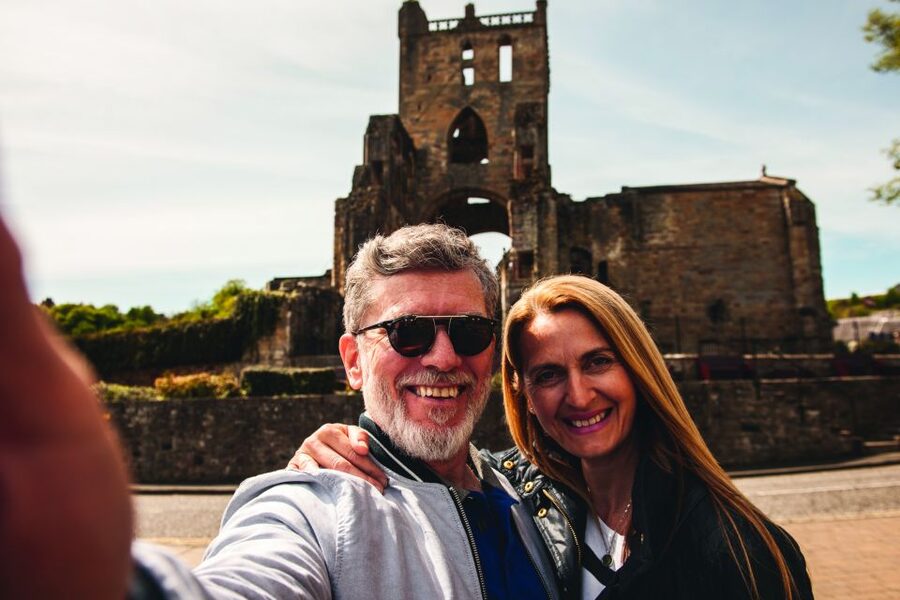
Jedburgh is the kind of place where the streets feel small and the landmarks feel huge. You’ll stop for photos, then take a walk around the town with a focus on the ruins of the 12th century Augustinian Abbey. Even if you have never studied medieval Britain, you can usually read the mood of a site like this right away: stone, height, and quiet.
This stop matters because it connects eras. Hadrian’s Wall is Roman engineering, but Jedburgh reminds you that the Border region kept being a contested zone long after Rome. The towns and churches you see today sit on centuries of movement, conflict, and adaptation.
Practical tip: wear a jacket you can zip up and down. Abbey ruins often mean exposed areas and wind, and it’s easy to go from sunny to chilly fast.
Dere Street, Carter Bar, and Crossing the Border the Old Way
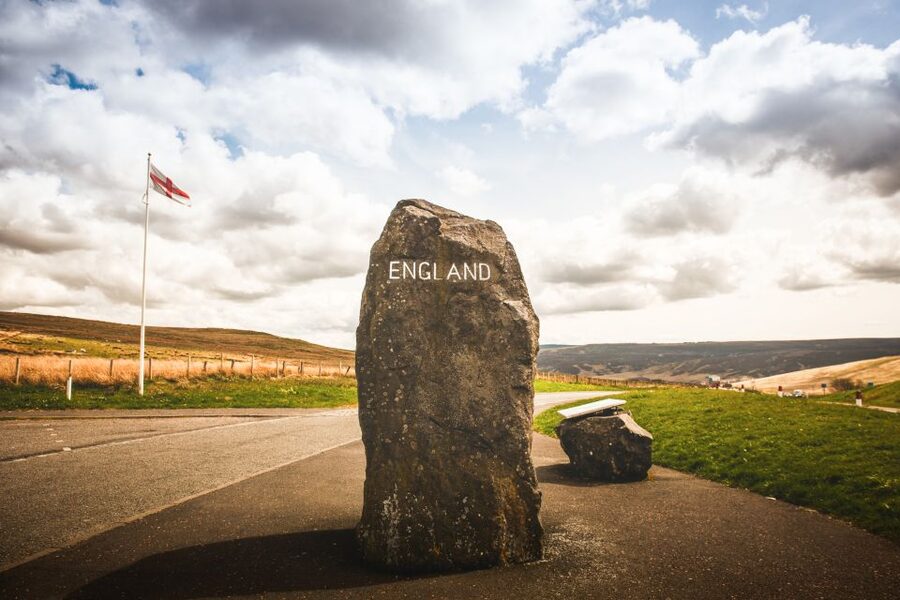
As you travel from Scotland into England, the tour leans into the idea that borders are not new. The drive includes a scenic stop at Carter Bar, on the edge of the Cheviot Hills, where the crossing has marked the Scotland England boundary for about 700 years.
You’ll also hear about the Roman road called Dere Street, which ran from southern Scotland through what is now Northumberland. Even though you are riding in modern comfort, the route has an older logic. You’re basically following the same corridors of travel that mattered to armies, merchants, and governments.
If you like the “how did people actually move?” angle, this portion is a nice reset. You get the sense of scale, distance, and the long-term importance of where roads cross hills.
Steel Rigg to Birdoswald: Walking the Wall Without Feeling Rushed
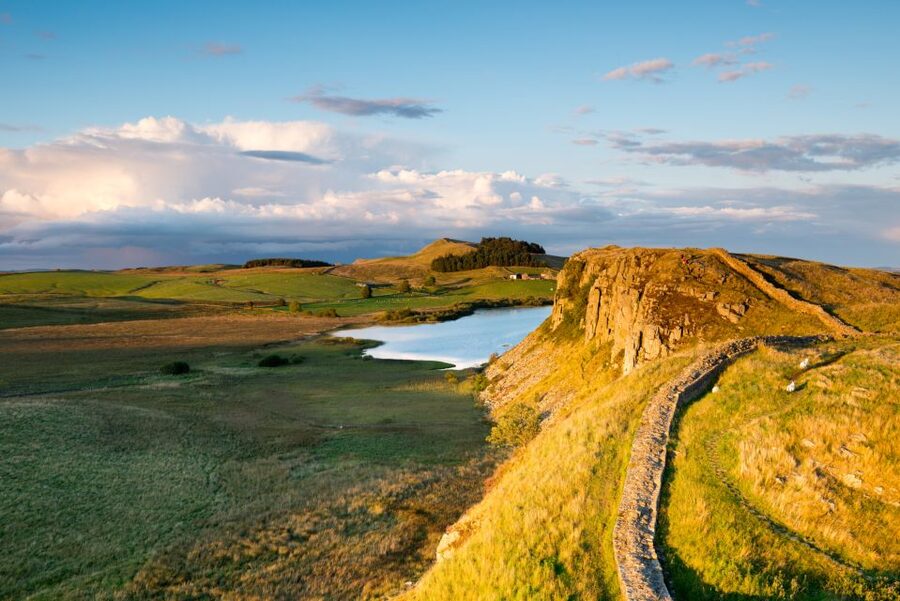
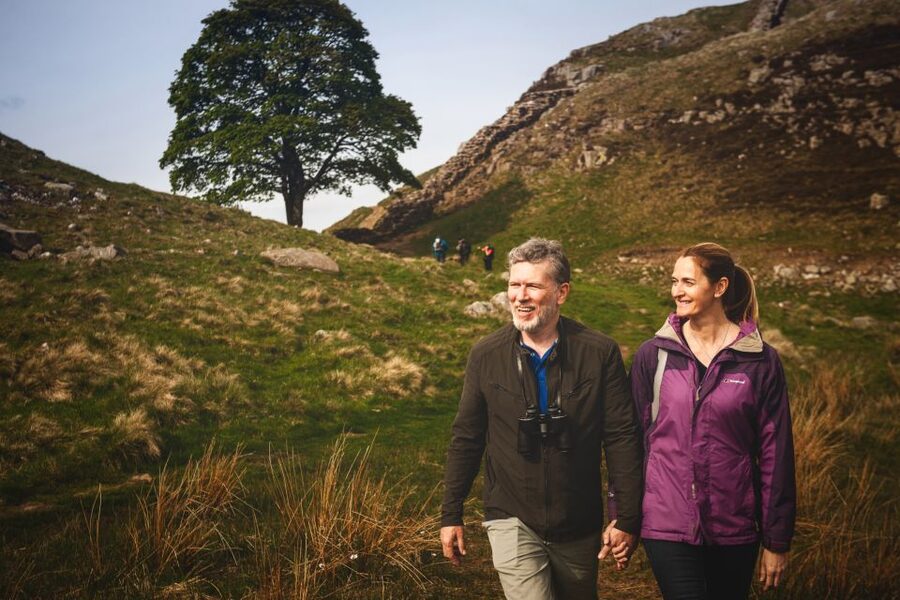
Hadrian’s Wall is the headline, but the way you experience it is the real story. You have time at multiple points, including a walk beside the wall at Steel Rigg. This section is important because it is not just a quick view. You can actually pace along the wall and imagine what it meant to guard a frontier from an exposed, lonely stretch.
Your guide will recommend other spots to look for along the wall as you go, which helps you connect what you see from the bus window to what you will walk past on the ground.
Then you’ll explore Birdoswald, one of the best preserved Roman forts on the Wall. The fort stop is where the “wall as a line” turns into “wall as a system.” You see how forts worked as operational bases, not just decorative ruins.
A quick reality check for your expectations: the Wall can look deceptively simple from a distance. Up close, it becomes less like a wall and more like a whole logistics machine built to hold space and control movement.
If you get motion sick easily, note that some roads here can be windy and bumpy. A few people flagged this as an issue, so if you are sensitive, plan accordingly with your seat choice and any motion-sickness prep you trust.
Vindolanda Roman Army Museum: The Artifacts That Make Rome Feel Normal
Vindolanda is the stop I most want you to prioritize, even if you are tempted by the big wall photos. This is where the Roman story shifts from grand structures to everyday people.
You’ll visit Vindolanda and the Roman Army Museum, with time for sightseeing and walking. Years of excavation have turned up objects that feel almost too human: shoes, jewellery, bones, pottery, and other items that help you picture daily life inside a frontier fort.
That changes the vibe of the day. Hadrian’s Wall can make you think in terms of strategy and empire. Vindolanda nudges you toward ordinary routines, meals, clothing, and the reality of living in a remote outpost.
Seasonal note you should know: Vindolanda closes yearly during January and part of February. If you’re traveling in that window, the tour takes you to Housesteads Roman Fort instead.
Practical tip: the museum visit is a good weather hedge. If it’s cold or blowing sideways outside, you’ll appreciate having a warm indoor stop where you can still feel the excavation story.
Lanercost and the Western Gateway Perspective
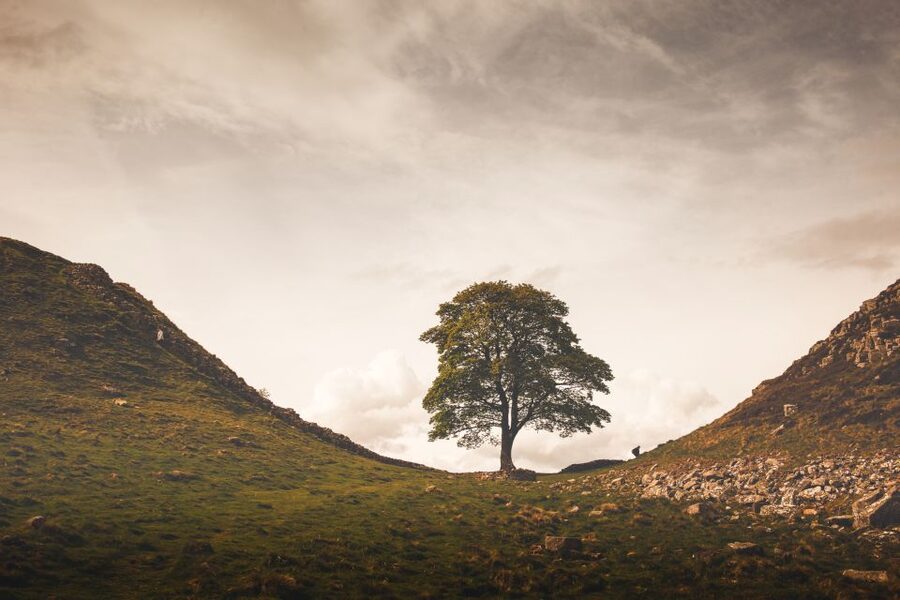
Another stop that helps the day feel complete is Lanercost, described as the western gateway to Hadrian’s Wall. Even if you do not remember every Roman term your guide shares, this kind of place works because it gives you orientation.
Instead of treating the Wall as a single point, Lanercost helps you view it as a network of access points and communities. It also gives you a sense of how the Wall shaped later settlement patterns, since the region did not stop living once Rome left.
This is a good stop for people who like structure. It turns the day from random highlights into a connected route you can mentally replay after you’re back in Edinburgh.
Moffat and the Real-Life Road Break You Need
After the Wall and forts, the day starts to feel like travel again. You’ll head back toward Edinburgh with a break in Moffat, a Victorian spa town known historically for mineral springs that drew visitors in the 18th and 19th centuries.
Even if you are not there for the springs, the timing of the stop is smart. It gives you time to reset, warm up, and eat something from whatever you bring or buy, since meals are not included on the tour.
Moffat is also famous for Moffat toffee, known for its buttery flavour and chewy texture. If you see it offered during your break, it is one of those small local touches that turns a long bus day into a day you can taste.
Then you’ll continue past the Pentland Hills Regional Park on the return leg to Edinburgh. It’s a nice final scenic thread that keeps the route from feeling like a one-way sprint.
What $56 Gets You: Value That Comes From Included Entry and Guide Time
At around $56 per person, the value here comes from three things: transport, real site access, and a guide who keeps it moving with context.
The tour includes transportation and an experienced driver/guide. It also includes entry to Vindolanda and the Roman Army Museum. If Vindolanda is closed, you still get Roman Fort entry via Housesteads.
For most people, the biggest value is time. Trying to do this on your own from Edinburgh means driving long distances, figuring out opening hours, and building a route that hits multiple Wall-related sites. With the tour, the logistics are handled, and your guide helps you make sense of what you’re seeing.
One more value point comes from the vibe. In multiple recent departures, guides like Jim Scott and Neil, Alex, Sean, Bryan, Kenny, and Stephen were praised for being entertaining and patient with questions. You can feel when a guide is genuinely enjoying the job, not just reading facts.
If you care about history but you hate museum “speed runs,” this tour style is a good compromise. You get guided context plus time on your feet to look and take photos.
Timing, Walking, Weather, and Comfort: Your Day-Bag Checklist
This trip includes sightseeing walks at several stops, and one review noted a surprisingly high step count, which matches the reality of doing multiple short walks in cold open air.
Here’s how I’d prep so the day stays fun instead of exhausting:
- Pack layers. Cold and wind show up at the Wall and at abbey ruins.
- Wear shoes with grip. You’re walking uneven ground at heritage sites.
- Bring a snack and water. Meals and refreshments are not included, so you’ll need your own fuel plan.
- If you get car sick, choose a seat where the motion feels less intense, and consider motion-sickness help you trust.
- Expect a long day. Even with good timing, it is still a lot of hours away from Edinburgh.
One more small comfort note: a few people mentioned bus leg room felt tighter than other departures. If you are tall or you hate compact seating, pack patience, and bring a layer that helps you stay comfortable for the long ride.
Who This Tour Suits Best (and Who Might Want Something Else)
This is a strong fit if you like:
- Roman Britain and frontier forts, not just one quick photo stop.
- Guided explanations while you travel, especially when the guide adds humor.
- A mix of major sites (Hadrian’s Wall, Vindolanda) plus quieter stops (Jedburgh Abbey, Lanercost).
It is also a smart choice if you do not want to drive. You get the route benefits of a road trip without the stress of navigation.
I would steer someone toward a different format if:
- You want a shorter, less tiring day. This is 11 hours and you’ll walk.
- You need frequent meal stops. Meals are not included, so plan ahead.
- You have trouble with windy or bumpy roads.
Should You Book This Hadrian’s Wall Day Trip?
Yes, I think you should book it if Hadrian’s Wall is on your bucket list and you want more than a postcard. The tour delivers with time at the Wall, a Vindolanda stop that explains Roman life through artifacts, and strong supporting stops that show the Border region beyond Roman stone.
If you are careful with clothing, shoes, and snacking, this turns into one of those days where you come back to Edinburgh tired but energized. You will have walked near a frontier wall, seen excavation finds that make Rome feel personal, and covered a route that would be hard to assemble in a single day on your own.
If that sounds like your kind of day, grab a seat and go.
FAQ
Where do I meet the guide in Edinburgh?
Meet your guide at Gate J and Gate K, inside Edinburgh Bus Station, St Andrew Square, Edinburgh, EH1 3DQ.
How long is the tour?
The duration is 11 hours.
How much does it cost?
The price is $56 per person.
What is included in the tour price?
Transportation is included, along with an experienced driver/guide. Entry to Vindolanda and the Roman Army Museum is included, or Housesteads Roman Fort if Vindolanda is closed.
Are meals included?
Meals and refreshments are not included.
What happens if I travel in January or early February?
Vindolanda is closed yearly during January and part of February. The tour takes you to Housesteads Roman Fort instead.
Is there a luggage limit?
Yes. You are restricted to 20 kilograms (44 lbs) of luggage per person, with one main piece like an airline carry-on bag plus a small personal items bag.
Are children allowed?
No children under the age of 5. Children under 18 need to be accompanied by an adult.
What are the cancellation and payment options?
You can cancel up to 24 hours in advance for a full refund. There is also a reserve now and pay later option, so you can hold a spot without paying immediately.
Newest entries under Hadrian S Wall


1-Day Tours, compared.
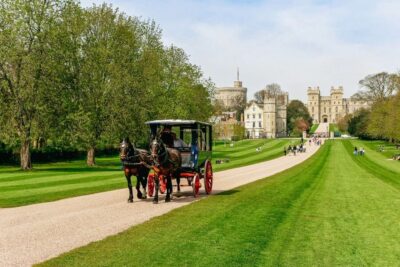
Windsor, Stonehenge, Bath, and Roman Baths Day Trip
Read our review →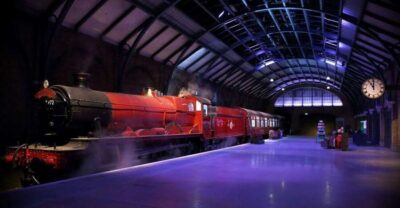
Harry Potter Studio Tour and Oxford Day Trip
Read our review →
Isle of Skye and Eilean Donan Castle Day Trip
Read our review →
White Cliffs of Dover and Canterbury Day Trip
Read our review →

Browse the lists this tour appears in