Reviewed · TICKETS
Hadrian’s Wall: Housesteads Roman Fort Entry Ticket
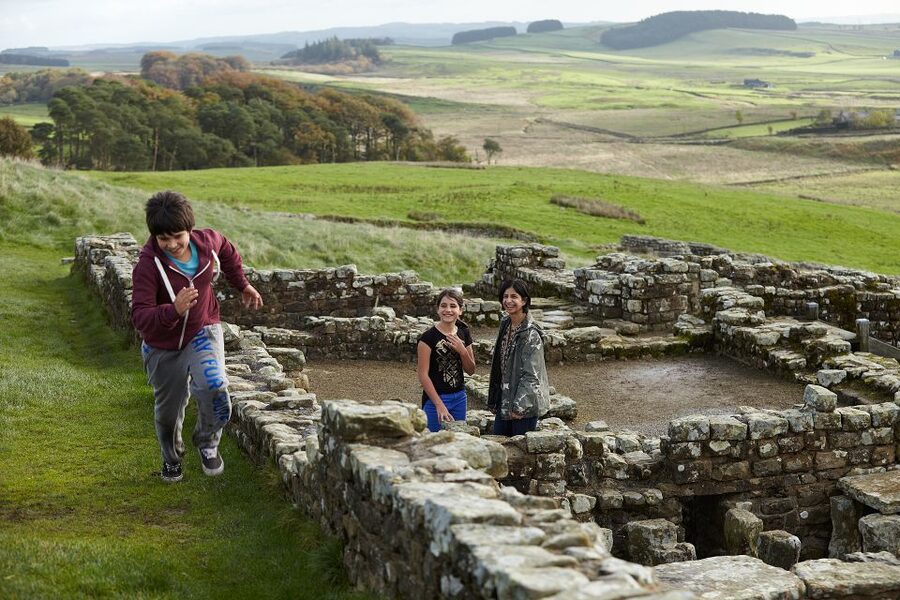
This Roman fort has big, real stories. With a pre-booked ticket to Housesteads Roman Fort, you get the feel of standing on the edge of an empire, plus dramatic 360-degree views from the escarpment. You also get hands-on details inside the barracks, hospital, and a museum built to make the past easier to picture.
I love how the site turns daily soldier life into something you can actually walk through, especially the barrack blocks and hospital area. I also like the museum setup, including the mini-cinema and the Felix character who guides younger visitors. One thing to watch: if you are a National Trust member, it is not always made obvious that entry may be free, and you may not be able to fix it later if you pay full price.
In This Review
- Key things that make this ticket worth your time
- Where Housesteads fits on Hadrian’s Wall
- Getting oriented fast, from the escarpment to the best views
- Barrack blocks and the hospital: life for soldiers you can picture
- Commander’s House, granaries, and the fort as a working system
- The oldest toilets you’ll ever see
- Mini-cinema and the museum: Felix helps you make sense of the rooms
- Roman finds to notice, from dedication stones to Victory
- The Housesteads Trail after the fort visit
- Price and value: what $13 buys you at Housesteads
- Timing, weather, and the small choices that prevent frustration
- Accessibility and routes if mobility is a concern
- Who this works best for
- Should you book this Hadrian’s Wall ticket?
- FAQ
- How long is the Housesteads Roman Fort visit?
- Where is Housesteads Roman Fort located?
- What is the price?
- What does the entrance ticket include?
- When can I enter, and is last entry different by season?
- Is the site open in bad weather?
- What should I bring for the visit?
- What if someone in my party has impaired mobility?
- Is there a family ticket option?
- Can I cancel and get a refund?
- What about reserving and paying later?
Key things that make this ticket worth your time
- Old-school interpretation, with clear site explanations and a small museum that helps you connect rooms to real objects
- Walking-through layout of barracks, hospital, Commander’s House, granaries, and communal toilets
- Mini-cinema with Felix, a simple way to help kids (and adults) get oriented fast
- Roman finds like altars, dedication stones, tools, weapons, and jewellery, excavated from the fort
- Victory the winged statue, a striking classical sculpture you see in context with what was found around the fort
- Housesteads Trail time after the main fort visit, plus a bit of play, including dress-up and an I spy game
Where Housesteads fits on Hadrian’s Wall
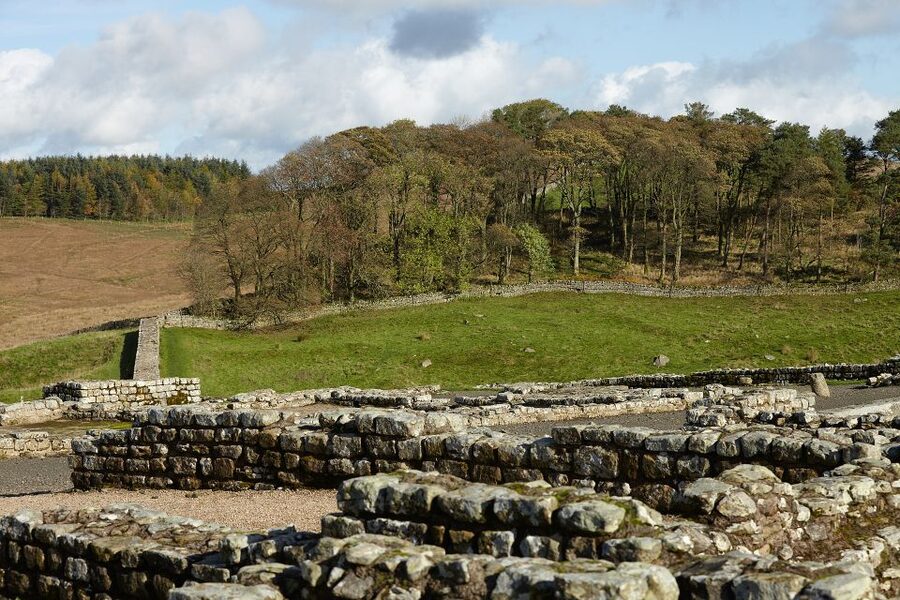
Housesteads sits on a rugged stretch of Hadrian’s Wall in Northumberland, in a spot that feels built for defense and for watching the world beyond. From the start, you are dealing with viewpoints, not just walls. The fort is positioned for long sightlines, and you’ll feel that even when you’re just walking between buildings.
What I like about this kind of stop is how it works on two levels. First, you tour the fort itself, walking through the spaces linked to work, living, religion, and medicine. Then, you slow down in the museum, where objects and reconstructions help you understand what you just saw. This is how Roman sites become more than a photo stop.
Your entry ticket is straightforward, and it is designed for a one-day visit. You won’t be rushed to get through everything, but you should still plan your order so you don’t miss the best parts of the layout.
Also inked in under London
- London: The London Eye Entry Ticket
★ 4.6 · 35,875 reviews - London: Tower Bridge Entry Ticket
★ 4.7 · 15,560 reviews - London: St Paul’s Cathedral Entry Ticket
★ 4.7 · 9,813 reviews
Getting oriented fast, from the escarpment to the best views
The fort sits on an escarpment, so plan on walking uphill and then continuing along uneven ground. If you want the best experience, I suggest you take your first pass with purpose: get your bearings, then circle back for details once you understand the layout.
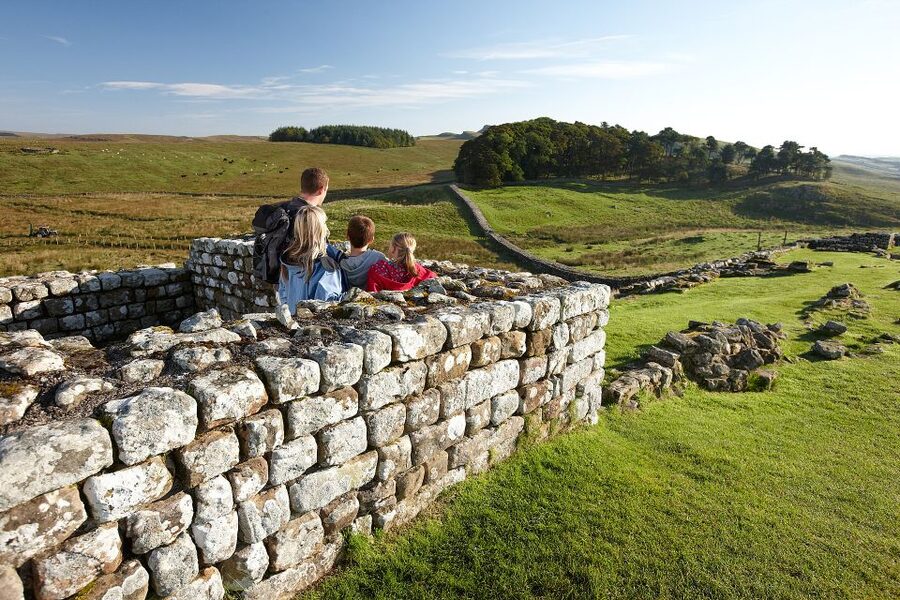
As you explore, keep an eye on that “edge of the empire” feeling. It is not marketing fluff. The fort’s position and the way Hadrian’s Wall runs alongside it mean you can often look out over stretches that make the whole system feel real. You’ll also get those 360-degree vantage points that make the site memorable long after you leave.
Practical note: comfortable shoes are not optional here. Even if you are only walking a couple of hours, the ground can be firm but uneven, and you will want stable footing for pauses and looking around.
Barrack blocks and the hospital: life for soldiers you can picture
The heart of the visit is moving through the practical spaces where soldiers lived and worked. The barrack blocks are the first big mental reset. You’re not just seeing walls. You’re trying to imagine routine: where people slept, how they used shared space, and what it meant to be stationed away from home.
Then there’s the hospital, which adds a different kind of realism. Roman Britain wasn’t only about weapons and marching. It was also about injuries, daily illnesses, and the need for treatment in a remote outpost. When you look at the hospital area after the barracks, the connection clicks. You start seeing the fort as a self-contained community.
A key detail to keep in your mind is scale. Housesteads housed about 800 soldiers, and that number changes how you interpret everything. Suddenly the granaries and communal rooms make sense. The fort is big enough to run like a small town, not a temporary camp.
If you’re visiting with kids, this is where their attention often holds. The spaces are specific, and the context helps them imagine. If you’re visiting alone, it’s still rewarding because the site makes it easy to build mental images without reading a mile of text.
Commander’s House, granaries, and the fort as a working system
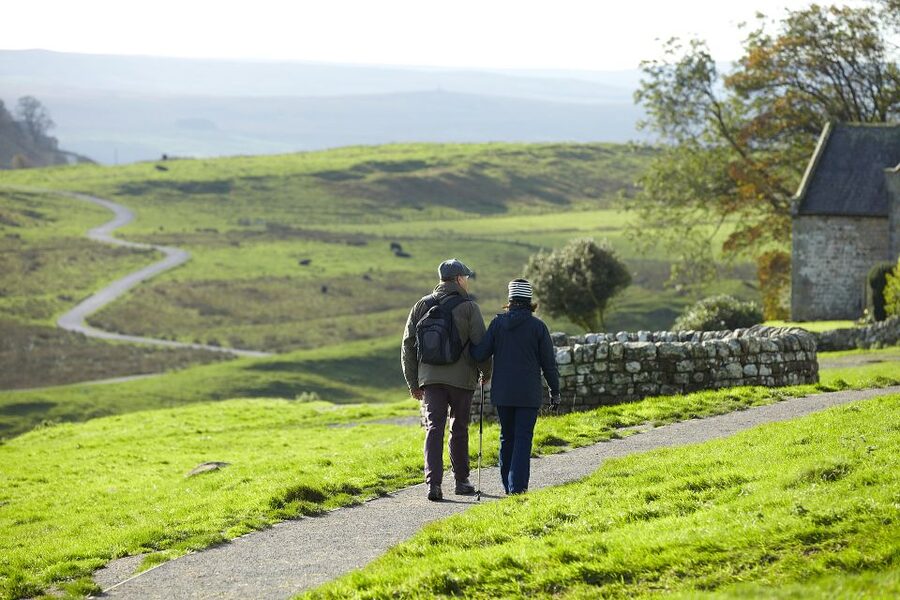
After the barracks and hospital, focus shifts from daily routine to how the fort functioned. You’ll see the Commander’s House and the granaries, and this is where you start understanding the “supply and control” side of Roman life.
The Commander’s House helps you imagine decision-making in a place that needed constant order. Meanwhile, granaries tell a less glamorous truth: a wall fort depended on food storage and steady logistics. When you connect these spaces, the fort stops being just a collection of buildings and starts looking like a machine.
This is also a good time to slow down. Roman forts are repetitive by design, and it is easy to walk quickly and miss the subtle differences between spaces. If you take a minute to compare what you’ve seen so far, you’ll get more out of the later museum objects because you already have the room context in your head.
A page further on, still in London:
- From London: Harry Potter Warner Bros Studio Tour★ 4.7 · 26,588 reviews
- London: Westminster to Greenwich River Thames Cruise★ 4.5 · 22,836 reviews
- Magical London: Harry Potter Guided Walking Tour★ 4.7 · 22,044 reviews
- London: Madame Tussauds London★ 4.6 · 20,915 reviews
The oldest toilets you’ll ever see
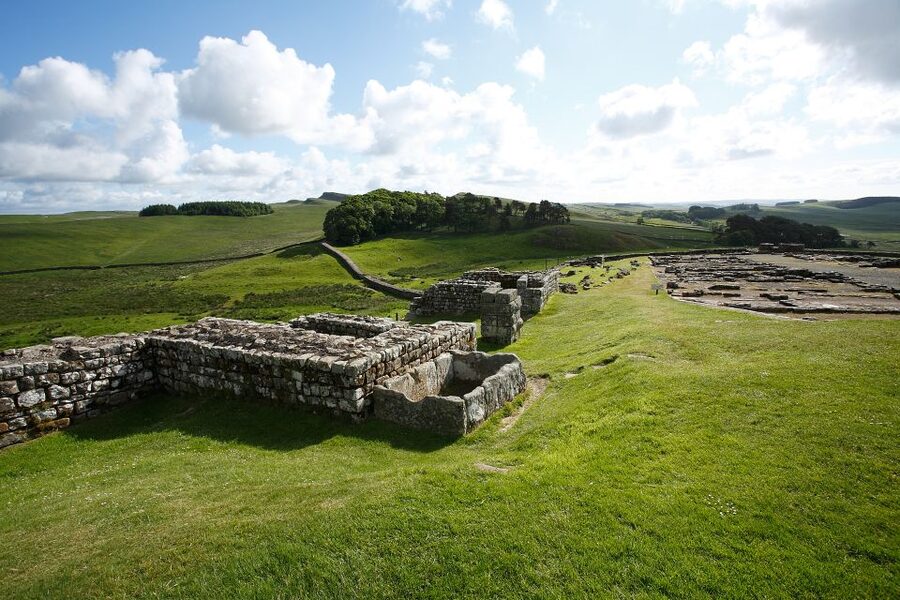
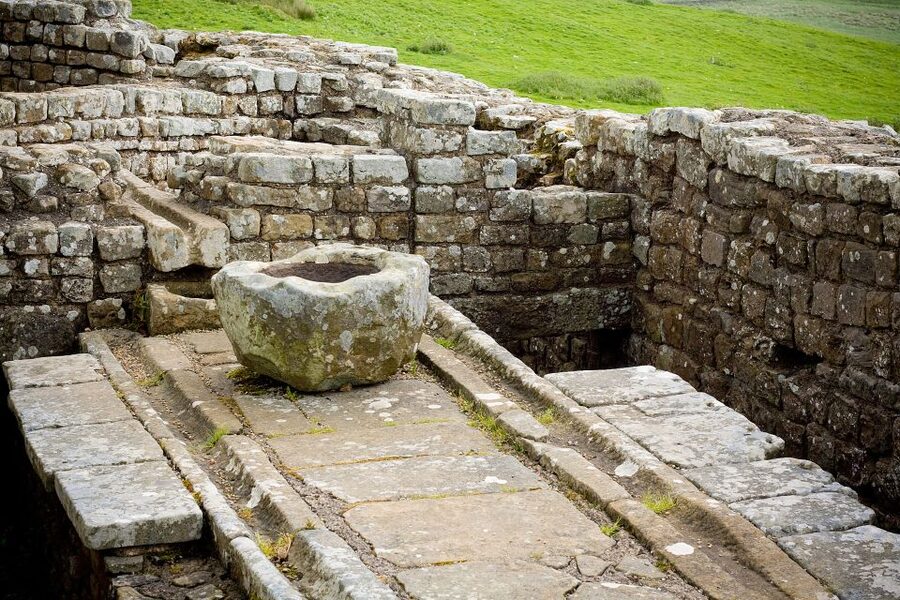
Yes, it’s a toilet stop. But it’s also one of the most useful places on the site. The communal toilets are memorable because they force you to think about daily hygiene, planning, and the sheer practicality of keeping hundreds of people working and living.
When you see them in place, you understand why Roman engineering matters. It wasn’t just about roads and aqueducts. It was also about making life possible in a hard environment.
If you’re sensitive to the word “oldest,” go easy on yourself. The real payoff here is not arguing about rankings. The payoff is seeing a purpose-built sanitation setup that makes the fort feel lived-in, not imagined.
Mini-cinema and the museum: Felix helps you make sense of the rooms
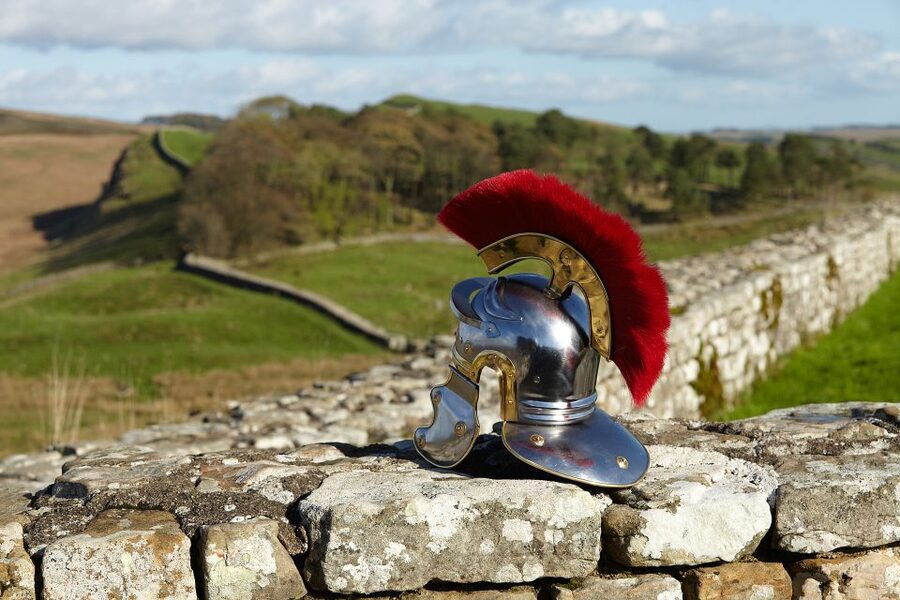
Once you’ve walked the buildings, the museum and mini-cinema bring order to the experience. The cinema uses film to bring the original Roman buildings to life, which can be a big help if you found the stone layout a bit abstract on your first pass.
Then you meet Felix, a character who guides younger visitors around. Even if you’re an adult, I like this approach because it reduces intimidation. You’re not only standing in front of remains. You’re following an explained route that makes the objects feel connected.
Inside the museum, you get a snapshot of daily life through excavated finds. Look out for Roman altars, dedication stones, jewellery, tools, and weapons, all recovered from the fort. This is where you can stop guessing and start matching what you saw in rooms to what was used in real life.
I find museum time is most valuable when you don’t try to do it all in one go. Spend enough time to pick up a handful of object categories, then return your attention to the fort layout you already walked.
Roman finds to notice, from dedication stones to Victory
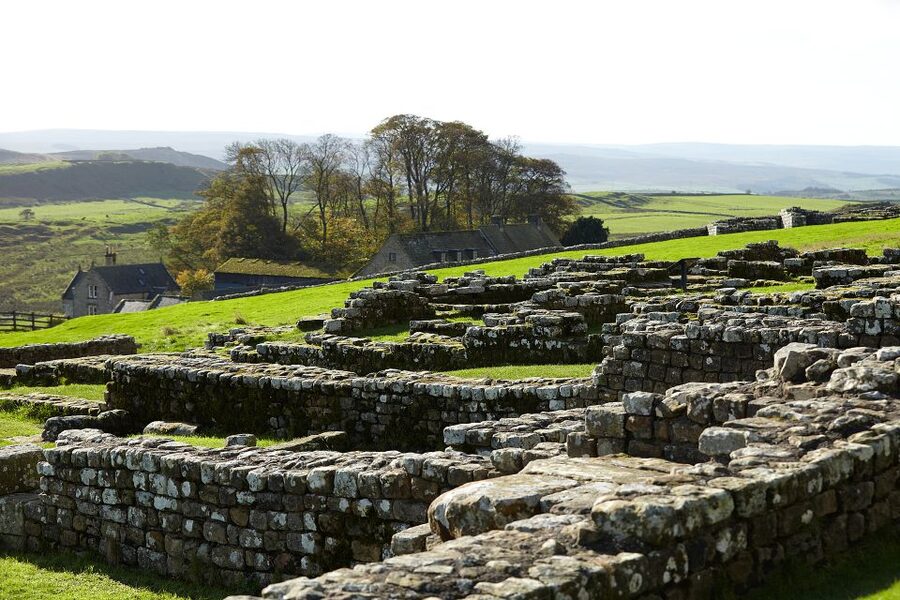
If you want to make your visit feel more personal, pick out a few objects and build a mini story around them. For example, dedication stones and altars suggest religious practice and official meaning inside the fort. Tools and weapons show labor and defense as a daily reality, not just a highlight.
Then there is the winged statue, Victory. It is an impressive classical sculpture, and it’s especially interesting because it was found lying in the landscape around the fort. That one detail changes how you think about “where things belong.” You’re not only looking at what Roman builders created. You’re also seeing what survived, moved, or ended up outside the original building context.
This is the kind of object that makes you slow down. You’ll probably take a few extra photos, but more importantly, you’ll start asking better questions while you walk.
The Housesteads Trail after the fort visit
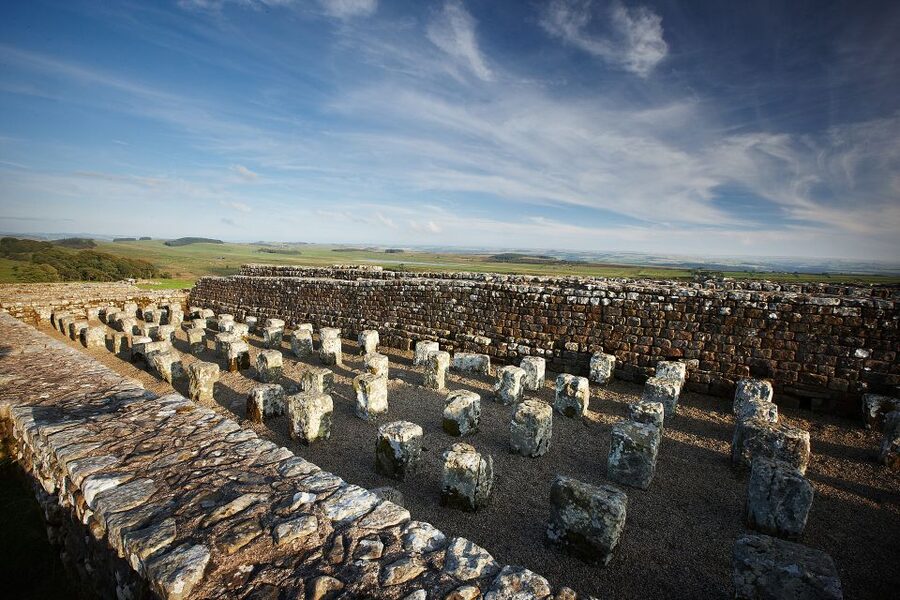
After the main fort, you transition into the Housesteads Trail, which covers some of the tranquil parts of Northumberland National Park. This is smart pacing. The fort is intense in the best way, with close-up spaces and practical details. The trail gives your brain time to rest, while still keeping the Roman connection.
The trail experience also includes kid-friendly activities. There is a 5-acre play area where kids can run, and there are options to dress up as a Roman soldier. You can also play an I spy game on the edge of the Roman Empire. If you have children, this part can turn the visit from a museum errand into an outing.
If you’re visiting without kids, you can still enjoy it. The trail offers space for you to enjoy the views and reset your attention. It’s also a good way to end your visit rather than rushing out as soon as the museum closes in your mind.
Price and value: what $13 buys you at Housesteads
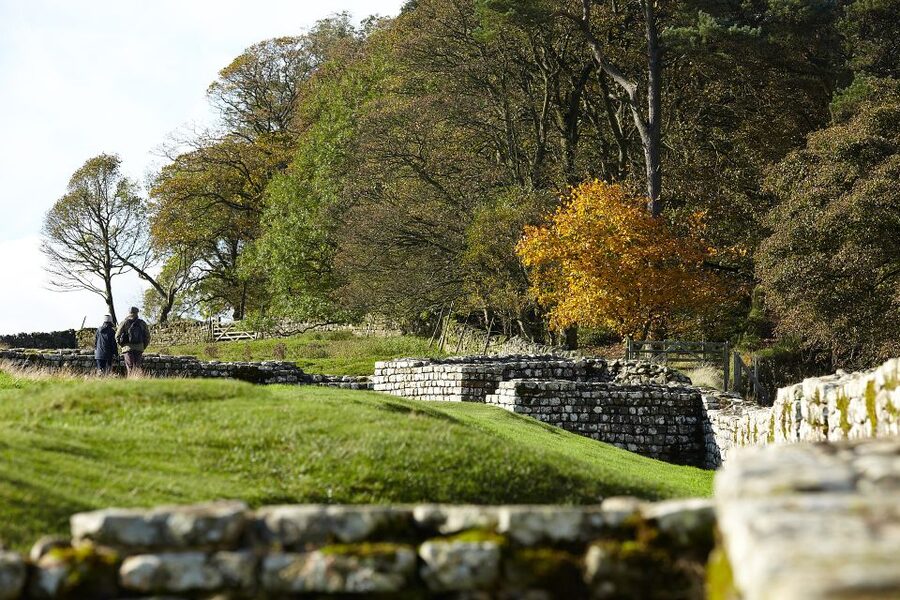
At around $13 per person, this ticket can feel like good value if you use it for what it is: a full fort-and-museum walk plus time for the trail. You are not just paying for access to walls. You are paying for a structured way to understand soldier life, including spaces like the hospital and communal toilets that most quick stops skip entirely.
This is one of those places where pre-booking matters because you want to match your day to opening times and seasonal last entry. In other words, you aren’t just buying entry. You’re buying control over your schedule so you can actually see the mini-cinema and take your time in the museum.
One more value tip: allow time for pauses. This site rewards slow walking. When you speed through, you miss the connections between fort rooms and the finds in the museum.
Timing, weather, and the small choices that prevent frustration
The site is weather dependent. On rare occasions it may become necessary to close the site, so if bad weather is forecast, contact the site directly before you arrive to confirm opening times.
Last entry depends on the season:
- During the summer season (March 23, 2024 to October 27, 2024), last entry is 4:00 PM
- During the winter season (October 28, 2024 to March 30, 2025), last entry is 3:00 PM
Planning around last entry is not just about rushing. It affects how long you can spend on the trail and whether you can watch the mini-cinema without cutting it short.
I also recommend bringing your own water and a layer if you run cold, because you’ll be outside on the escarpment and trail parts of the experience.
Parking and on-site comfort: I found it helpful that there is a large parking area and a small café at the site. If you need a quick break during your visit, it makes the day easier to manage.
Accessibility and routes if mobility is a concern
If anyone in your party has impaired mobility, contact the site before arriving to discuss the best route of access around the site. That matters here because even with accessible planning, you should expect a mix of outdoor walking on uneven ground.
This is the kind of attraction where advance info can save time and help you tailor your route.
Who this works best for
This ticket is a strong fit for people who like Roman Britain but want more than a generic overview. If you enjoy piecing together daily life from specific buildings, you’ll enjoy Housesteads. The hospital, communal toilets, barracks, and museum objects give you multiple entry points into the same story.
It’s also a good family outing. Between Felix in the mini-cinema and the trail play elements like dress-up and the I spy game, children get a hands-on experience rather than just a walk past ruins.
For families, note the Family Ticket structure: it allows entry for up to 2 adults with up to 3 children aged 5 to 17.
Should you book this Hadrian’s Wall ticket?
Yes, I think you should book this if you want a full, walkable day that explains how the fort worked. Housesteads is the kind of site where the details pay off, especially the hospital, the communal toilets, and the museum objects that help you visualize daily life.
Book it especially if you like practical history, not just big monuments. The mini-cinema, Felix guidance for younger visitors, and Roman finds like dedication stones and tools make it easier for you to understand what you’re looking at.
One caution before you hit pay: if you are a National Trust member, double-check whether your membership affects entry at this specific site. I say that because the free-entry info may not be obvious at the point of purchase, and you may not be able to get a refund afterward.
If you’re ready for an unhurried fort-and-trail day with real context, this ticket is a smart move for Hadrian’s Wall.
FAQ
How long is the Housesteads Roman Fort visit?
The activity is valid for 1 day.
Where is Housesteads Roman Fort located?
It’s in Northumberland, United Kingdom.
What is the price?
The price is listed as $13 per person.
What does the entrance ticket include?
The entrance fee is included in the price.
When can I enter, and is last entry different by season?
Yes. Last entry is 4:00 PM during the summer season (March 23, 2024 to October 27, 2024), and 3:00 PM during the winter season (October 28, 2024 to March 30, 2025).
Is the site open in bad weather?
Site opening is weather dependent. If bad weather is forecast on your arrival day, contact the site directly to confirm opening times.
What should I bring for the visit?
Bring comfortable shoes.
What if someone in my party has impaired mobility?
Please contact the site before arriving if anyone has impaired mobility, so they can discuss the best route of access to and around the site.
Is there a family ticket option?
Yes. The Family Ticket allows entry for up to 2 adults with up to 3 children aged 5 to 17.
Can I cancel and get a refund?
You can cancel up to 24 hours in advance for a full refund.
What about reserving and paying later?
There is a reserve & pay later option, so you can book your spot and pay nothing today.
Newest entries under London






Tickets, compared.
Tower of London and Crown Jewels Exhibition Ticket
Read our review →




Buckingham Palace: The State Rooms Entrance Ticket
Read our review →