
Reviewed · MUSEUMS
Hadrian’s Wall: Chesters Roman Fort and Museum Entry Ticket
Roman ruins plus hot baths. That combo works. Chesters Roman Fort is a top-notch look at daily life in one of the Roman Empire’s northern outposts, and the site is unusually complete and easy to picture. I love that you can move at your own pace while using an e-reader, then switch to real Roman rooms and inscriptions when your brain wants evidence, not just vibes.
What I like most is the Clayton Museum set-up with an e-reader, so you get the facts while you walk, not hours later in your hotel room. I also love the Roman bathhouse and steam room on the North Tyne, where the story of weary soldiers from Northern Spain feels tangible. The one thing to watch is timing, you have a seasonal last entry cutoff, and the fort is outdoors enough that weather matters.
In This Review
- Key things to know before you go
- Why Chesters feels like a Roman stopover, not a museum
- Clayton Museum and the e-reader setup
- The Roman bathhouse and steam room on the North Tyne
- Cavalry fort details, barrack block, and soldiers with horses
- Taking the Fort takeover trail and pacing your day
- Headquarters, hall, and the regimental shrine
- Officers’ quarters and the commandant’s house ruins
- Timing, last entry cutoffs, and how to plan your day
- Price and value: is $13 enough for Chesters?
- Tearoom break: stottie cake and a practical lunch plan
- Who this visit suits best (and who might not)
- Should you book this Chesters Roman Fort and Museum ticket?
- FAQ
- What does the ticket include?
- How long is the experience?
- What are the last entry times?
- What should I bring?
- Is it wheelchair accessible?
- Is there a family ticket?
- Can I book flexibly or cancel if plans change?
Key things to know before you go
- E-reader facts on-site: Pick one up and get context as you walk through the Clayton Museum
- Top-preserved military bathhouse: Hot, cold, and steam baths on the banks of the North Tyne
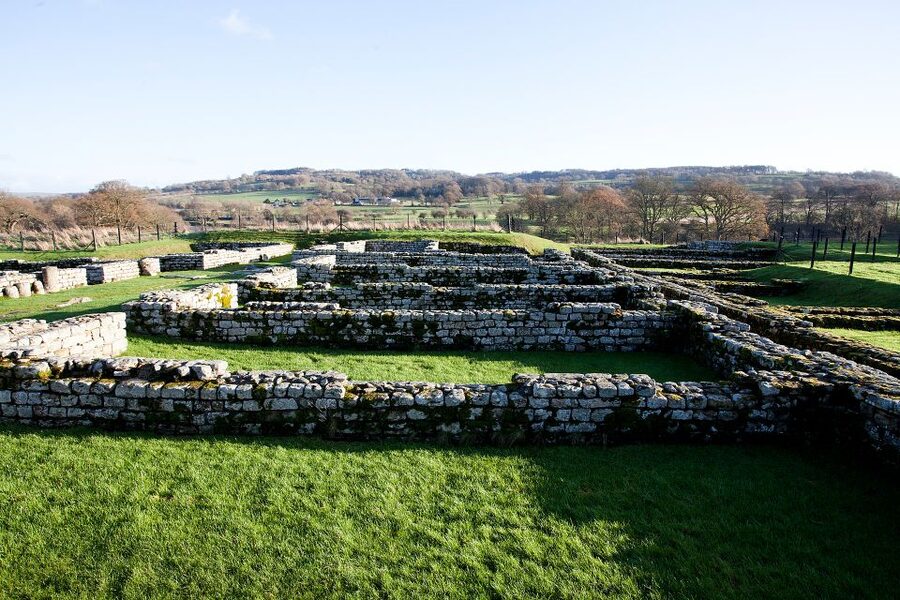
- Cavalry fort details: Digital reconstructions help you picture rooms like the barrack block and shared space with horses
- Clayton Museum story: The “Savior of the Wall” John Clayton, plus Roman objects and inscriptions from the fort and Hadrian’s Wall
- Self-guided Fort takeover trail: Grab a trail sheet and make your route simple
Why Chesters feels like a Roman stopover, not a museum

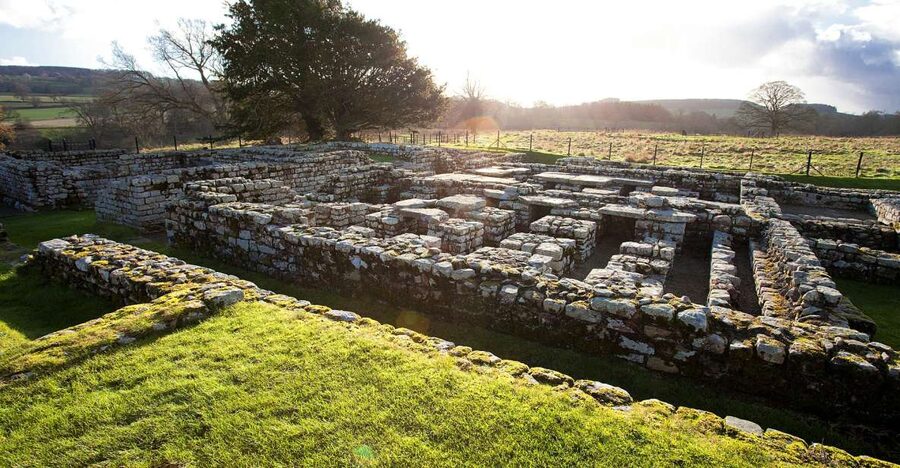
Chesters is on Hadrian’s Wall, but it doesn’t feel like you’re standing outside a generic ruin. It feels like you’re looking at an actual Roman base that got preserved better than most. The fort is the most complete Roman cavalry fort in Britain, and that matters. When the layout survives, you can understand the function of spaces instead of guessing.
You also get two layers of experience in one visit. First, you have the Clayton Museum with objects and inscriptions tied directly to Chesters and the Wall. Then you have the fort itself, with bath spaces, headquarters areas, and remnants of the commandant’s house. That pairing is what makes the place click.
If you like Roman Britain, this is the sort of site that also helps you connect the dots to nearby stops along the Wall. After you get the basics here, other forts make more sense. And if you simply want a calm day outside with good storytelling, it delivers that too.
More gallery rooms between showers:
- London: Chelsea Football Club Stadium and Museum Tour
★ 4.8 · 4,576 reviews - London: British Museum Guided Tour
★ 4.3 · 1,182 reviews - London: British Museum Guided Tour with Entrance Tickets
★ 4.9 · 748 reviews
Clayton Museum and the e-reader setup
Start in the Clayton Museum. This is where I think you get the best return on time. The admissions team gives you an e-reader, and you use it while exploring. That means you can stand in front of an artifact or inscription, then pull up the supporting info without trying to remember what you read later.
The museum focuses on Roman finds from the fort and along Hadrian’s Wall, including a collection of objects and inscriptions. That’s the heart of why the museum is worth your attention. It’s not just a set of items in glass, it’s the physical record of what was found here.
Then there’s the local backstory, because Chesters is also about what happened much later. You’ll learn about John Clayton, a Victorian lawyer who’s known as the “Savior of the Wall.” The museum first opened in 1896, and it still has many of its original Edwardian display cabinets. That combination gives you two time periods in one room: the Roman world, and the later effort to protect it.
Practical tip: the e-reader is your friend. Use it early while your brain is fresh. If you save it for later, you’ll waste the first part of your visit trying to piece things together without context.
The Roman bathhouse and steam room on the North Tyne
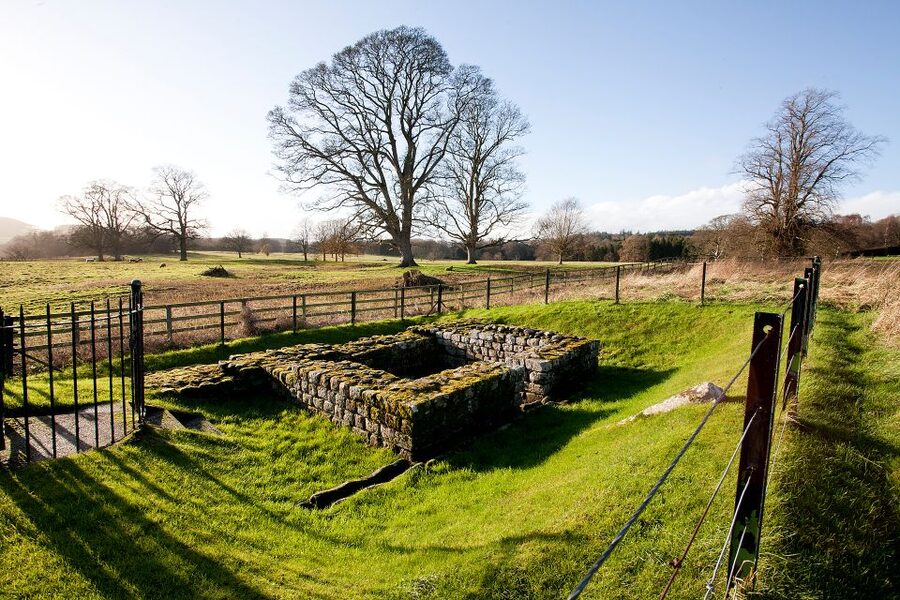
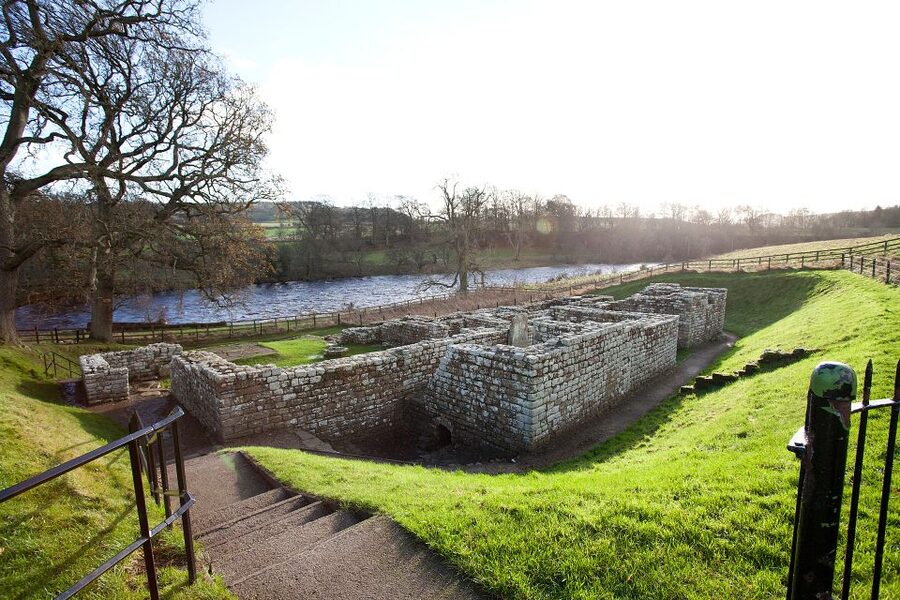
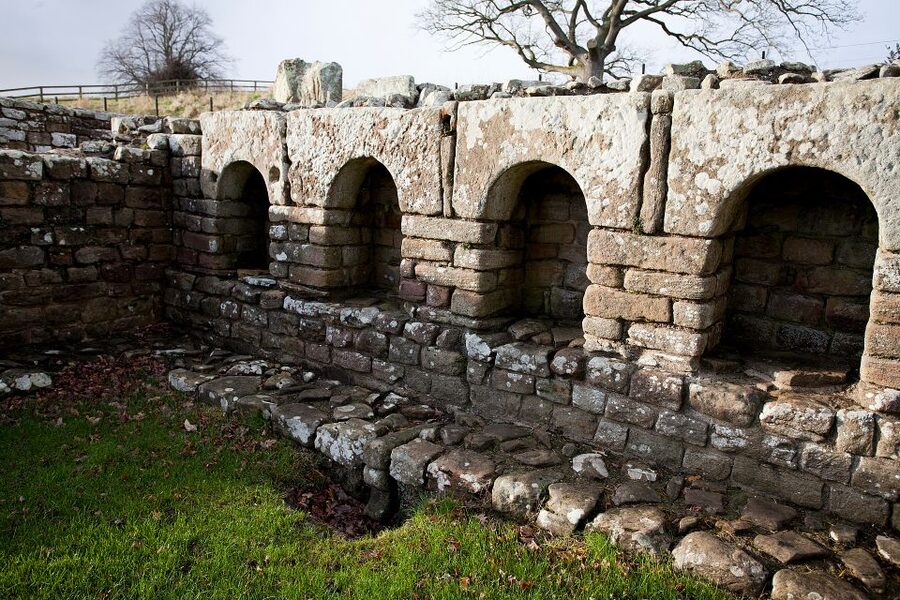
If you only care about one thing, make it the Roman bathhouse. It’s often described as Britain’s best preserved military bathhouse, and once you’re standing in and around the bath complex, you can see why. A bathhouse is not just luxury. In a military setting, it’s routine, morale, hygiene, and recovery all rolled into one place.
Chesters’ riverside spa sits on the banks of the North Tyne. The rooms cover hot and cold bathing, plus a steam room. The cool part is how the site ties that space to people. You learn that the soldiers originally came from Northern Spain. That detail helps you stop imagining generic Romans and start picturing real men with real routines, arriving at a cold border far from home.
Even if you’re not a “Roman bathrooms” person, I think you’ll enjoy this stop because it gives you physical scale. Bath spaces are harder to fake in your imagination than, say, random stones. The layout helps you visualize the flow from one room type to another.
One consideration: since you’re outdoors around the fort, plan for weather. The bathhouse areas feel like part of the landscape, and your comfort will depend on what you wear.
Cavalry fort details, barrack block, and soldiers with horses
Chesters is a cavalry fort. That’s a big difference from a lot of other Roman sites along Hadrian’s Wall, which tend to be more infantry-focused. Here, you can focus on how cavalry life worked day-to-day.
Look for the digital reconstructions of spaces like the barrack block. These help you picture rooms and relationships between soldiers and horses. The reconstructions show cavalrymen sharing space with their horses, which sounds strange until you remember what the job required. Horses are not optional equipment. They are central to patrols, supply movement, and control of the frontier.
The fort also gives you a sense of the social structure. You’ll see areas tied to officers, and you’ll get a feel for where authority lived versus where routine happened. That’s why Chesters is such a strong learning stop. It’s not only about walls and ruins, it’s about organization.
For your comfort, pace yourself. Some parts are best read slowly with the e-reader. Other parts are best just walked through and looked at. If you try to do every room at museum-speed, you’ll rush right past the moments where the site makes sense.
Also inked in under London
- London: The London Eye Entry Ticket★ 4.6 · 35,875 reviews
- London: Tower Bridge Entry Ticket★ 4.7 · 15,560 reviews
- London: St Paul’s Cathedral Entry Ticket★ 4.7 · 9,813 reviews
- London: London Eye and Madame Tussauds Combo Ticket★ 4.7 · 7,428 reviews
Taking the Fort takeover trail and pacing your day
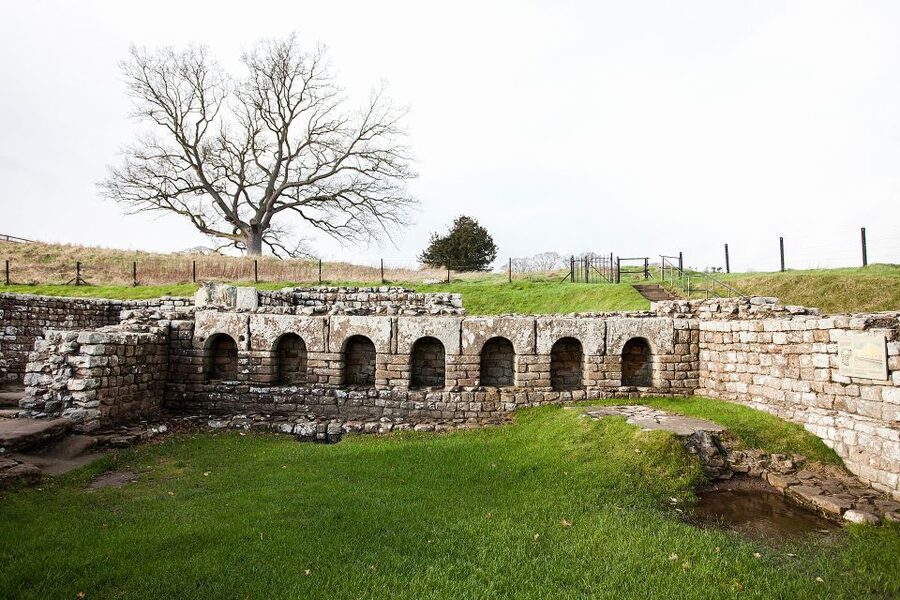
Once you’re done with the museum, grab the Fort takeover trail sheet from the admissions team. This turns your visit into a route with purpose. It’s self-guided, so you can slow down where you want, then cut across if you’re short on time.
The trail helps you move through key parts of the fort experience, including:
- the headquarters building and courtyard
- the hall and regimental shrine
- ruins of an elaborate and luxurious commandant’s house
- the spaces around the bath complex
I like trails like this because they reduce decision fatigue. You’re on a historic site where it’s easy to wander. The sheet keeps you pointed at the most meaningful stops without forcing you into a rigid tour rhythm.
Also, the fort’s completeness is an advantage for pacing. You’re not relying on scattered stones to interpret what you’re seeing. You can walk from area to area and connect the dots in real time.
One drawback to consider: because it’s a true fort layout, it includes a fair bit of walking. Make sure your shoes are comfortable. This isn’t a place for flimsy soles or brand-new shoes that haven’t been broken in.
Headquarters, hall, and the regimental shrine

The headquarters building and courtyard give you the “how the place ran” layer of the story. Think of it as the operational brain of the fort, where planning and administration likely took place.
The hall and regimental shrine help you understand the emotional side of military life too. A shrine implies belief and identity. In a Roman fort, religion was not separate from the routine. It was part of cohesion, discipline, and the idea of belonging to a larger system.
If you use your e-reader here, you’ll get more out of the experience than if you just look at the stones. The best moments happen when you connect what the place was for, to what you already learned in the museum about Roman objects and inscriptions.
Officers’ quarters and the commandant’s house ruins

One of the most interesting architectural contrasts at Chesters is the officer side of the complex versus the larger living and working spaces. You’ll have officers’ quarters to explore. That’s where the fort starts to feel like a real community with different roles and levels of comfort.
Then there are the ruins of the commandant’s house. The description is elaborate and luxurious, and that expectation changes how you look at the remains. Even in ruined form, you can see how power and status were built into the layout. This is the place where you feel the frontier wasn’t only hardship. It also had hierarchy and comfortable living for those in charge.
Practical tip: don’t just skim these rooms. Step back and look at how spaces relate to each other. The value of Chesters is that you can do that without needing a professional guide standing next to you.
Timing, last entry cutoffs, and how to plan your day
You’re booking a one-day visit, so time management matters. Chesters has seasonal last entry times:
- April 1 – October 29: last entry is at 4:00 PM
- October 30 – March 31: last entry is at 3:00 PM
That means you should plan to arrive with buffer, not at the last possible minute. Start earlier in the day if you want a calmer pace through both the museum and the fort. If you arrive late, you might end up rushing the bathhouse and skipping parts of the trail.
Also, bring weather-appropriate clothing. Northumberland can be changeable, and since a lot of Chesters involves outdoor walking, layers are your friend. Comfortable shoes are not optional here.
If you’re driving, check what parking will add to your total cost before you commit. One person flagged that parking fees can push the total higher than the entry price alone.
Price and value: is $13 enough for Chesters?
At around $13 per person for entry to Chesters Roman Fort and the Museum, this ticket can be a strong value if you actually use what’s included. The ticket isn’t just admission to stones. It includes access to the museum and the fort, plus the experience tools like the e-reader setup and the Fort takeover trail sheet.
Here’s where the value comes from for you:
- You get an object-based museum (Roman artifacts and inscriptions) tied to the exact site you’ll walk
- You get a rare military bathhouse experience that’s well preserved
- You get digital reconstructions that explain difficult spaces like barracks and the cavalry and horses relationship
- You get tearoom time after, so the visit ends with a proper reset
Could it feel pricey if you only glance at a couple of spots? Sure. But if you commit to the full experience, it’s one of those tickets that earns its keep.
Tearoom break: stottie cake and a practical lunch plan
After you walk the fort, you’ll want food that doesn’t ruin your momentum. The Chesters tearooms are built for that. You can fuel up with light lunches made from locally sourced ingredients, along with sweet treats and hot and cold drinks.
If you want a Northumbrian food moment, try a traditional stottie cake. It’s one of those simple local touches that turns a history day into a memory you can taste.
This is also the moment where you can decide how to pace the rest of your visit. If you still want more time in the museum, you can do it while you’re fed instead of running on visitor adrenaline and caffeine.
Who this visit suits best (and who might not)
This ticket is ideal if you like Roman sites that are both physical and explainable. Chesters is strong for people who want hands-on understanding, not just a quick look at walls. It’s also a good match if you enjoy self-guided travel where you can pause, read, and look again.
It’s especially good for:
- history fans who want the cavalry angle, not just general Rome talk
- travelers who like museum context before walking outdoors
- anyone who appreciates well-preserved bath spaces and the way they show daily routine
- people who want a solid starting point for exploring other Hadrian’s Wall sites
You might think twice if you’re short on time. With the last entry cutoffs and the walking involved, you’ll want at least a steady block of day time. And if the idea of a museum plus fort layout sounds tiring, you may feel like you’re doing two things in one pass.
Should you book this Chesters Roman Fort and Museum ticket?
Yes, I’d book it if you want a day on Hadrian’s Wall that feels complete and understandable. The mix of Clayton Museum context and the Roman bathhouse experience is what makes Chesters more than a quick stop. Add the self-guided trail sheet, the e-reader facts, and digital reconstructions for tricky spaces, and you get an easy, high-value route through Roman frontier life.
If you’re traveling with kids, the family ticket is limited to 2 adults plus up to 3 children ages 5 to 17, so make sure you match that structure. If you’re coming in winter, remember last entry is earlier, so plan your morning like you mean it.
FAQ
What does the ticket include?
Your entry ticket covers Chesters Roman Fort and the Museum.
How long is the experience?
It’s valid for 1 day.
What are the last entry times?
For April 1 – October 29, last entry is at 4:00 PM. For October 30 – March 31, last entry is at 3:00 PM.
What should I bring?
Bring weather-appropriate clothing and comfortable shoes.
Is it wheelchair accessible?
Yes, it’s listed as wheelchair accessible.
Is there a family ticket?
Yes. The Family Ticket is valid for 2 adults only and up to 3 children ages 5 to 17.
Can I book flexibly or cancel if plans change?
You get free cancellation up to 24 hours in advance for a full refund, and you can reserve now and pay later.
Newest entries under London






Museums, compared.

Tower of London and Crown Jewels Exhibition Ticket
Read our review →
Liverpool Football Club Museum and Stadium Tour
Read our review →
Chelsea Football Club Stadium and Museum Tour
Read our review →



British Museum Guided Tour with Entrance Tickets
Read our review →Browse the lists this tour appears in