
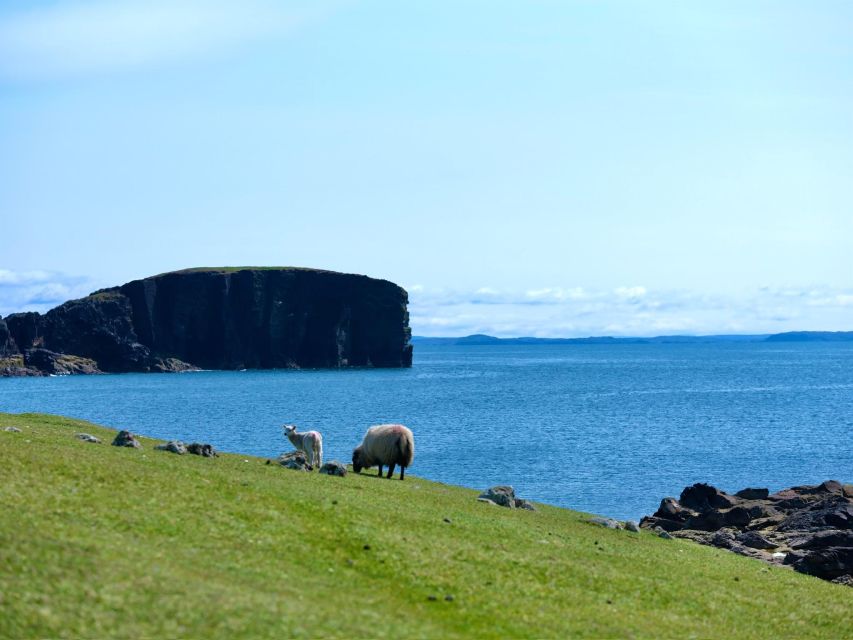
Reviewed · EDINBURGH TOURS & EXPERIENCES
From Edinburgh: 6-Day Shetland & Nothernmost Explorer
Shetland’s cliffs and puffins in six days. This trip connects Edinburgh, Aberdeen, and the far north with a tight plan, and a guide named Hugh who keeps everything moving around the weather, so you actually get time on the ground for puffins. One thing to plan for is the pace, long drives and early starts are part of the deal in Shetland.
My favorite part is the mix of big-sky natural drama and human history, with Dunnottar Castle perched above crashing water on the last day, and Viking-era clues on Unst that go beyond a quick photo stop. If you like getting out of the bus and walking a few stretches on rugged ground, this is built for you.
In This Review
- Key highlights you will feel right away
- How the Edinburgh to Shetland cruise plan actually works
- Lerwick: knitting culture, a New Stone Age site, and seals on the beach
- Viking Unst and the northernmost points: where the air feels different
- St Ninian’s Ayre: shells, wind, and the quiet pull of the coast
- Wildlife day with ponies and Arctic birds: a perfect day to slow down
- Dunnottar Castle and St Andrews: the landing that feels earned
- Price and what you are really buying at around $67 per person
- Getting the most out of it: timing, weather, and packing like a local
- Who this trip fits best, and who might want to think twice
- Should you book this Shetland and Northernmost Explorer?
- FAQ
- How long is the Shetland and Northernmost Explorer trip?
- Where does the tour start and where does it end?
- What transportation is included?
- Are meals included?
- Is accommodation included?
- What languages will the guide speak?
- What group size is it?
- What is the best time to see puffins?
- What should I pack for the trip?
Key highlights you will feel right away
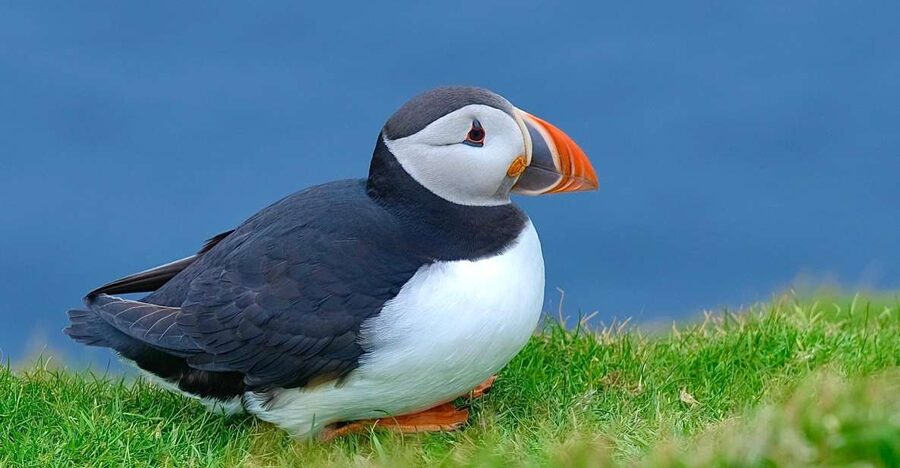
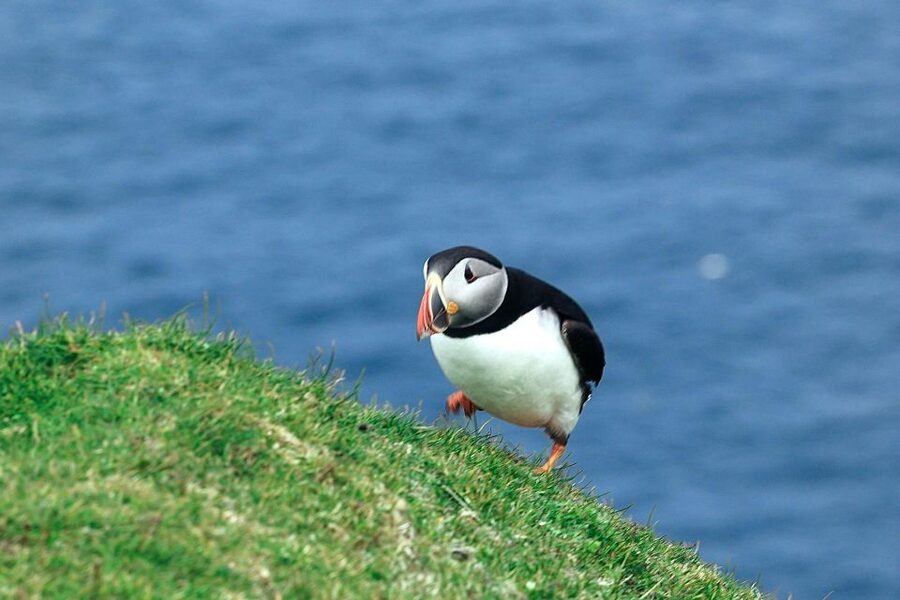
- Up-close puffin chances (best April to July) with the right cliffside lookout timing
- Unst Viking sites, including evidence tied to Viking longhouses from the local archaeological project
- Sumburgh Lighthouse and Shetland navigation history, with a real sense of place
- Wildlife time beyond the brochure, from seals to Arctic birds around headlands
- Petting Shetland ponies that have adapted to tough island conditions for thousands of years
- A dramatic castle finale, Dunnottar Castle before finishing in St Andrews
How the Edinburgh to Shetland cruise plan actually works
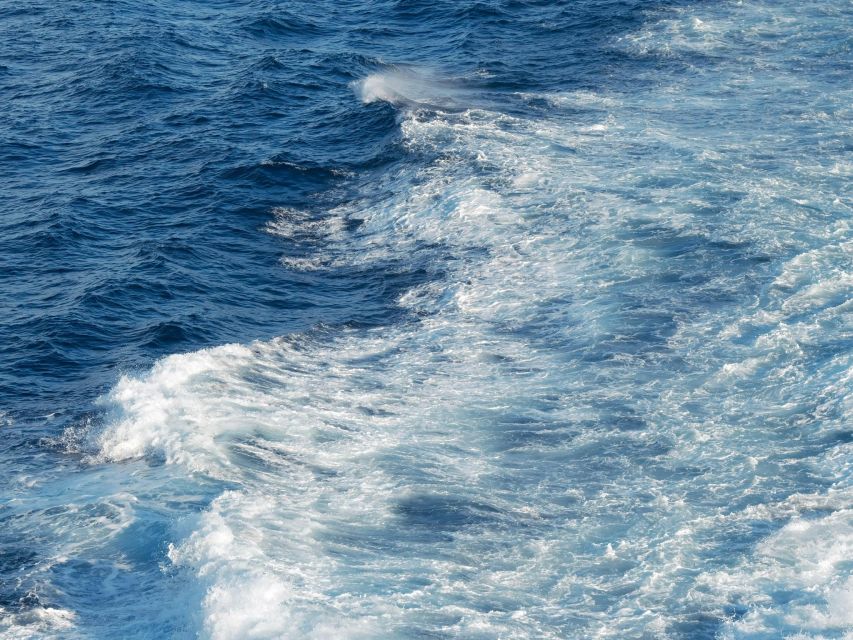
This is a 6-day northern explorer built around a cruise transfer, then shore days in small-group style. You start in Edinburgh and see a couple of Scotland-on-a-postcard moments before you ever reach the sea, including the Forth Bridge (UNESCO listed, built in 1889) and a stop referencing Scotland’s struggle for independence through the area linked to the Declaration of Arbroath from 1320.
Then you board in Aberdeen and cruise toward Shetland. That matters more than it sounds. Instead of treating Shetland like a rushed day trip, you get at-sea time and a smoother reset between land days. It is also practical: the itinerary uses local driving and planned stops so you spend less time backtracking and more time doing the one thing you came for, seeing the islands.
The group is small, limited to 8 participants, with a live guide who speaks Chinese and English. That small size helps on winding roads and when weather changes, because there is room to shift timing without turning your day into a scramble.
Also inked in under Edinburgh
- Edinburgh: Loch Ness, Glencoe & the Scottish Highlands Tour
★ 4.6 · 17,446 reviews - From Edinburgh: Loch Ness, Glencoe & Scottish Highlands Tour
★ 4.7 · 11,381 reviews - Edinburgh: Glenfinnan Viaduct, Glencoe & Fort William
★ 4.8 · 3,366 reviews
Lerwick: knitting culture, a New Stone Age site, and seals on the beach
Day 2 is your first proper Shetland day, starting in Lerwick, the island’s capital. If you want the cultural baseline fast, Lerwick is the place to do it. You will get time to walk through the older part of town and connect to the islands through the craft of Shetland knitting, a tradition that is deeply local.
What I like here is the way the day jumps backward in time without feeling like a museum lecture. Next comes a New Stone Age settlement site with an age estimate of around 40,000 years. Even if you only catch the key viewpoints, it gives you context for why these islands were valuable long before modern shipping routes.
Then the day pivots to wildlife and coastal calm. You visit Sumburgh Lighthouse, built in 1821 by Robert Stevenson and described as the oldest lighthouse in Shetland. It is not just a landmark. It is a reminder that navigation in the North Sea has always been serious business.
Finish with a simpler scene at Lerwick Beach, where you are in the right mood for seals to do their thing nearby. This is one of those days where you do not need a tight itinerary to enjoy it. You just need windproof layers and the patience to look.
Viking Unst and the northernmost points: where the air feels different
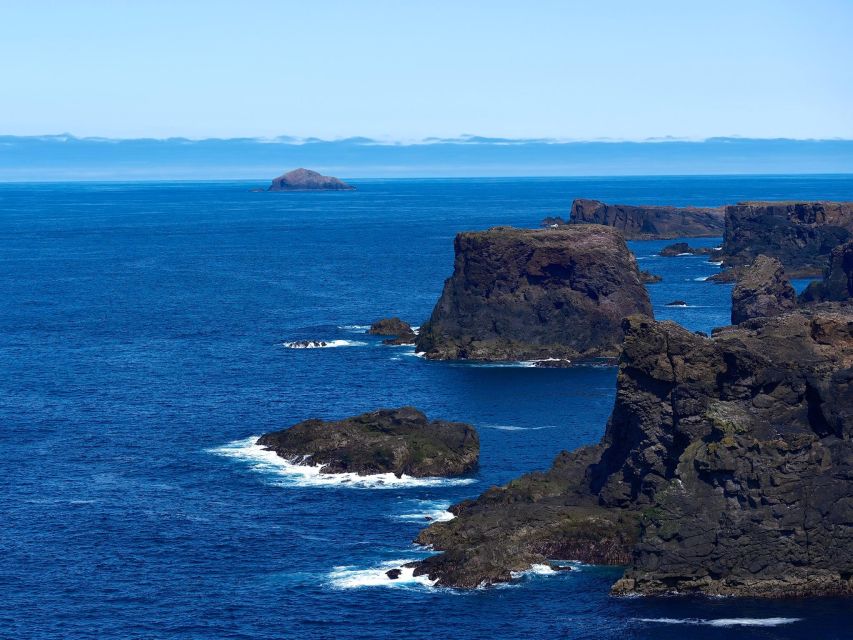
Day 4 is the big north moment: reaching the true northernmost point of the UK, with the Muckle Flugga lighthouse on a rocky outcrop at the edge of Unst’s Hermaness peninsula. This is the day for cliff drama and seabird energy. The area is known for puffin colonies and seabird rookeries, and you will feel the “end of the road” feeling in your bones.
Unst is also the northernmost inhabited island in the British Isles. That alone changes how a place feels, it is not just remote scenery, it is a working community. The itinerary also points you toward Viking-era evidence, including the Viking Unst archaeological project, which uncovered three Viking longhouses. That detail matters because it turns “Viking culture” from a generic label into something specific you can picture.
One other story sits in this day too, the reference to the loneliest and last bus stop and the idea of a father’s love for his daughter. It is the kind of local detail that makes remote places feel human, not just wild.
Timing note: puffins are best seen from April to July. If you travel outside that window, you might still spot seabirds, but do not expect the same puffin density.
St Ninian’s Ayre: shells, wind, and the quiet pull of the coast
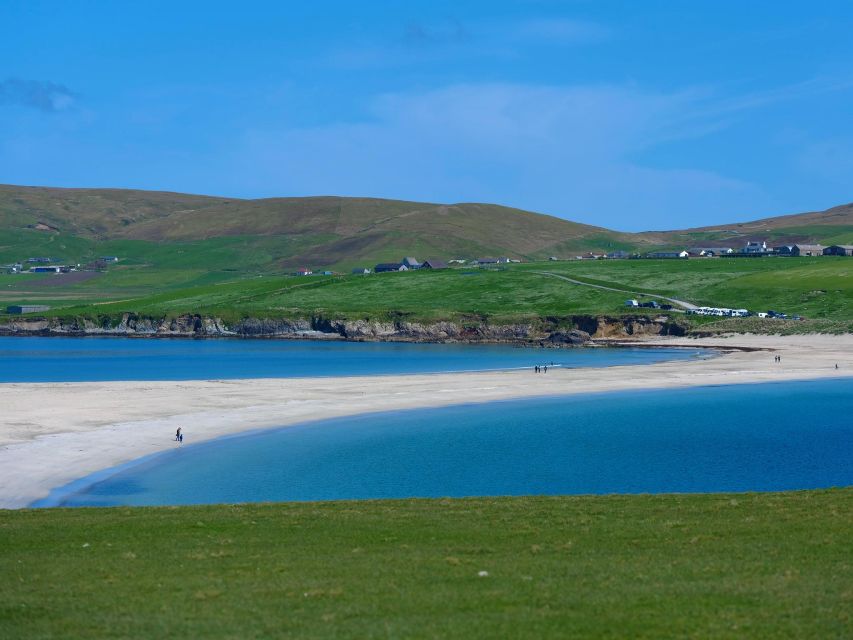
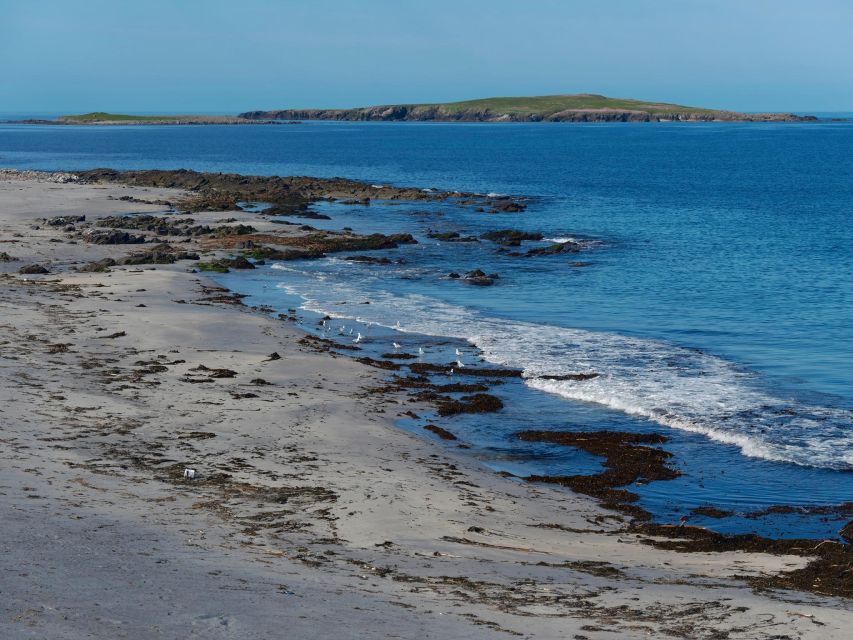
Day 3 focuses on coastal time, starting with St Ninian’s Ayre Beach. The hook here is the feel of the place. The itinerary frames it as a coastline with soft shells and striking colors, between the North Sea and cliffy edges.
Then you continue along the Eshaness coastal route, where cliffs and rock formations put you close to the force of the sea. I love this style of day because it teaches your eyes to read the coastline. You start noticing how the rock layers look different depending on the light, and you get a sense of how quickly the weather can shift from bright to slate-gray.
Drawback to be aware of: this is not a day where you stay dry and warm no matter what. You should plan on jacket weather almost every day, and that includes when the sun shows up. Comfortable shoes are key, because even short walks can be on uneven ground.
A page further on, still in Edinburgh:
- From Edinburgh: Loch Ness & Scottish Highlands Tour★ 4.4 · 2,943 reviews
- Edinburgh: Loch Ness, Glencoe, Coos & the Highlands Day Tour★ 4.6 · 2,539 reviews
- From Edinburgh: 3-Day Isle of Skye and The Highlands Tour★ 4.8 · 2,405 reviews
- Edinburgh: ‘Firth of Forth’ Three Bridges Sightseeing Cruise★ 4.7 · 2,383 reviews
Wildlife day with ponies and Arctic birds: a perfect day to slow down
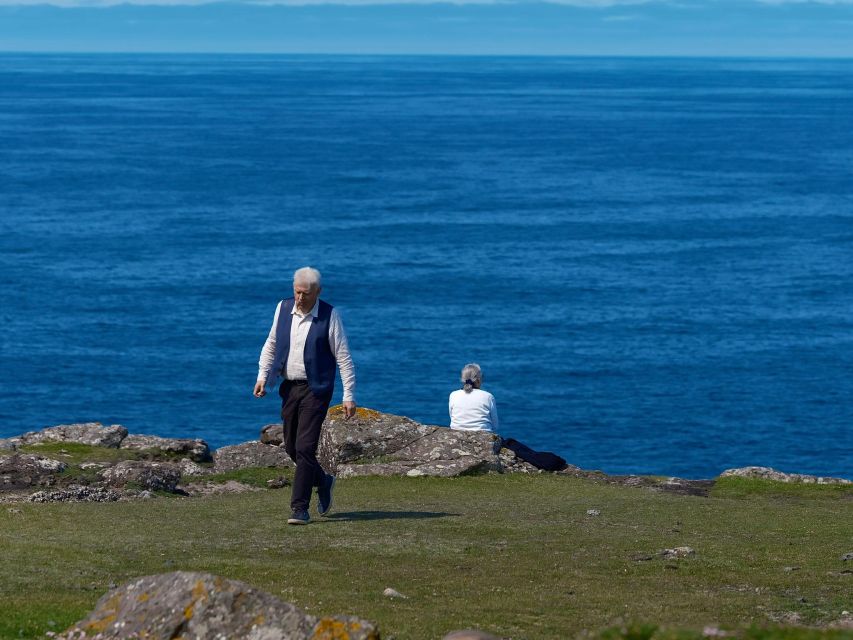
Day 5 is built around something very Shetland: hardy animals that have survived here for a reason. First you get the chance to pet Shetland ponies. The itinerary notes they have been on these exposed hills and wilderness for over 4,000 years, which is a striking way to think about adaptation. You do not need a big backstory lecture to enjoy them, you just need a respectful pace and a calm hand.
Then you move to the Minn Beach area and onward to Kettla Ness, described as a wild headland where you can encounter seals and Arctic birds like Arctic skuas and Arctic terns. This is a good example of why a small-group tour works. You are not fighting crowds for a viewpoint, and you can wait for that one moment when a bird wheels into view.
One practical note: the rules for the trip include no feeding animals, so you are there to observe, not interact constantly. That keeps the wildlife behavior natural, and it also keeps the day safer for everyone.
The day wraps with the cruise back toward Aberdeen, giving you time to transition out of the land-walk rhythm.
Dunnottar Castle and St Andrews: the landing that feels earned
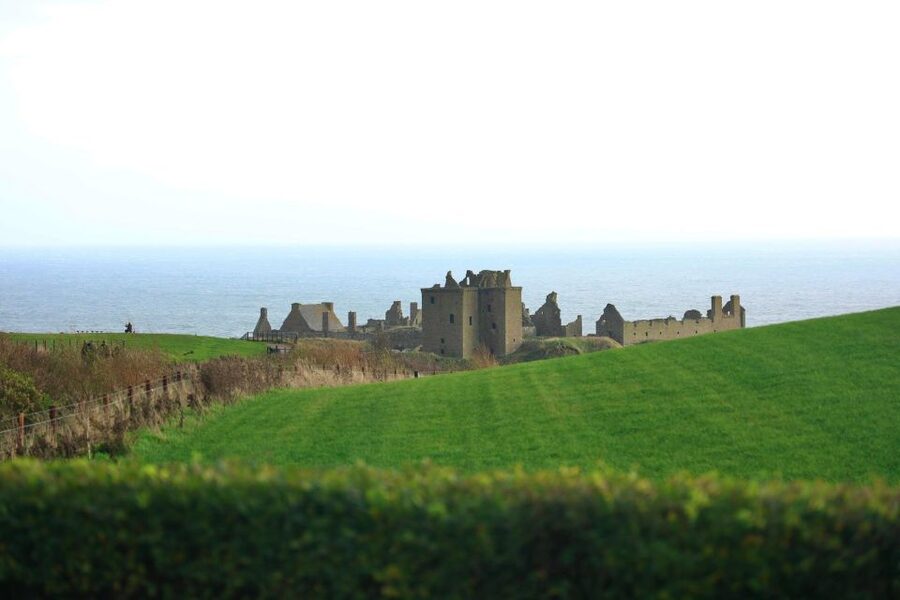
After you arrive back, you end with a proper “cliffs and history” finale at Dunnottar Castle, a 14th-century fortress dramatically perched above the coastline. This is the kind of site that works best when you have already spent a few days seeing the scale of Shetland. By the time you reach Dunnottar, you understand that Scottish coastal fortresses were built for a reason: the sea is both obstacle and protection.
Then you finish with St Andrews, described as the birthplace of world golf and also a spiritual center of Scotland. Even if golf is not your main interest, St Andrews has a sense of rootedness and footpath energy that makes the last day feel like a real conclusion, not just a transfer back to the city.
The final leg is returning toward Edinburgh. It is a good arc: start with major Scottish icons, spend your middle days in the far north, then end with a famous Scottish town you can walk at a relaxed pace.
Price and what you are really buying at around $67 per person
That headline price can look like a bargain, but the key is to understand what is included and what is not. The trip price comes with major costs already handled: transportation in modern air-conditioned 5-9 seaters, a driver-guide, ferry tickets, and an inside berth cabin setup for two nights. It also includes the structure of 6 days worth of planning, which is a huge part of paying for a guided experience, especially with weather variables.
Accommodation with breakfast for four nights is included only if you select that option. So your true value depends on which package you choose.
Food is not included. That is the main day-to-day budgeting item you will control. You can still eat well, but set aside a realistic amount for meals and snacks, especially since the itinerary days can run long.
Attraction tickets are noted as limited, with an amount around £6 for one place. In practice, this means you are mostly paying for the route, the access, and the timing, not endless paid entry fees.
The best “value” angle here is not just cost. It is how the day sequencing supports what you care about: puffins, cliff viewpoints, Viking traces, and a strong closing day at Dunnottar.
Getting the most out of it: timing, weather, and packing like a local
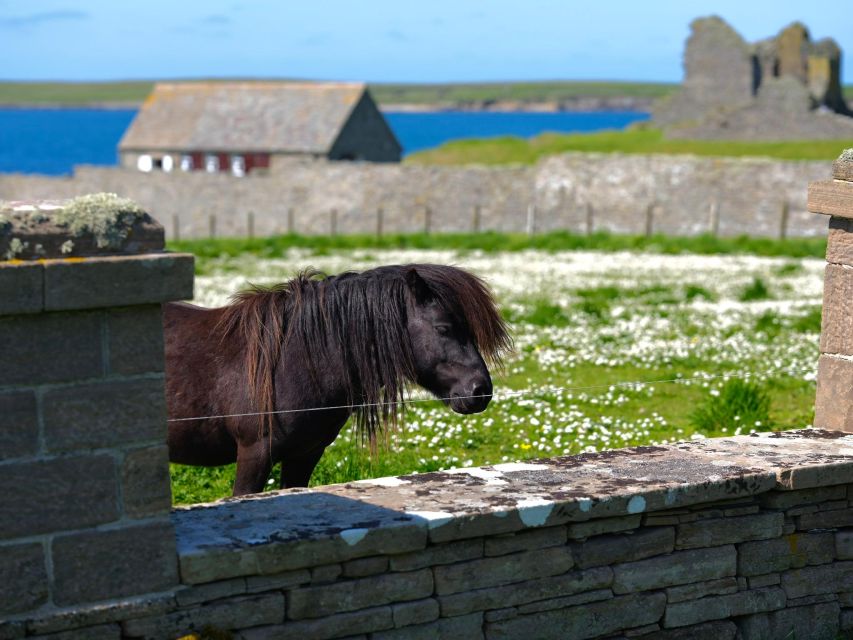
Shetland can be calm for hours, then suddenly windy and wet. This tour leans into that reality. The guide Hugh is praised for adjusting timing around weather and keeping the mood light during longer drives, which is exactly what you want when the island decides to change the rules.
To match the trip, pack for outdoor movement:
- Comfortable shoes and hiking shoes
- A jacket and outdoor layers
- Comfortable clothes and hiking pants
- A practical mindset for wind, because some viewpoints are exposed
Also read the activity rules before you show up. Pets are not allowed, smoking and vaping are restricted, and there is a clear “no alcohol in the vehicle” style of rule set. You will also want to keep fragrance light, since strong fragrances are listed as not allowed.
If you are prone to getting cold fast, fix that at home with layers. It is not about comfort alone. When you are warm enough to wait for birds, you see more.
Who this trip fits best, and who might want to think twice
This tour fits best if you like a blend of:
- Wildlife spotting on real coasts, with time to pause
- History with specifics, like Robert Stevenson’s lighthouse and the Viking Unst longhouses
- Walking short-to-moderate stretches on rugged ground
- A small group vibe where you can actually ask questions and move at a human pace
It is not a match if you need step-free access, since it is not suitable for wheelchair users. It is also listed as not suitable for children under 7.
If you hate long drives, this might feel like a test. The roads and distances in Shetland can mean lots of time on the bus. The upside is that the guide’s job includes keeping things smooth and staying flexible.
Should you book this Shetland and Northernmost Explorer?
Yes, if you want Shetland in one efficient package and you care about more than just scenery. Booking makes sense when you want a guide to handle logistics, timing, and the order of sights so you can focus on the moments that matter: puffins in the right season, Viking traces on Unst, seals and seabirds at headlands, and a memorable finish at Dunnottar Castle.
Think twice if you are extremely sensitive to travel time and weather. This is an outdoors-focused itinerary. Long days and windproof clothing are not optional, they are part of the experience.
If you can handle that, you will come away with the kind of memories that do not fade fast: the far north feeling, the cliffside wildlife views, and Scotland history that you can actually stand inside.
FAQ
How long is the Shetland and Northernmost Explorer trip?
It runs for 6 days. The schedule is described as 10 hours total per day range, depending on starting times, so expect long days.
Where does the tour start and where does it end?
The trip starts in Edinburgh. It cruises from Aberdeen to Shetland, then after disembarking you visit Dunnottar Castle and St Andrews before returning toward Edinburgh.
What transportation is included?
The tour includes transportation by modern, air-conditioned 5-9 seaters (based on group size) plus a driver-guide. It also includes ferry tickets and ferry cabins for two nights.
Are meals included?
No. Food and drinks are not included, so you will need to budget for meals during the days on land.
Is accommodation included?
Accommodation with breakfast for 4 nights is included only if you select that option. The included ferry portion includes cabin accommodation for two nights.
What languages will the guide speak?
The live tour guide speaks Chinese and English.
What group size is it?
This is a small group limited to 8 participants.
What is the best time to see puffins?
The best time to see puffins is from April to July.
What should I pack for the trip?
Bring comfortable shoes, hiking shoes, a jacket, outdoor clothing, comfortable clothes, and hiking pants.
Newest entries under Edinburgh



Edinburgh Tours & Experiences, compared.

Loch Ness, Glencoe & the Scottish Highlands Tour
Read our review →
Loch Ness, Glencoe & Scottish Highlands Tour
Read our review →

Loch Ness, Glencoe, Coos & the Highlands Day Tour
Read our review →

‘Firth of Forth’ Three Bridges Sightseeing Cruise
Read our review →
Browse the lists this tour appears in