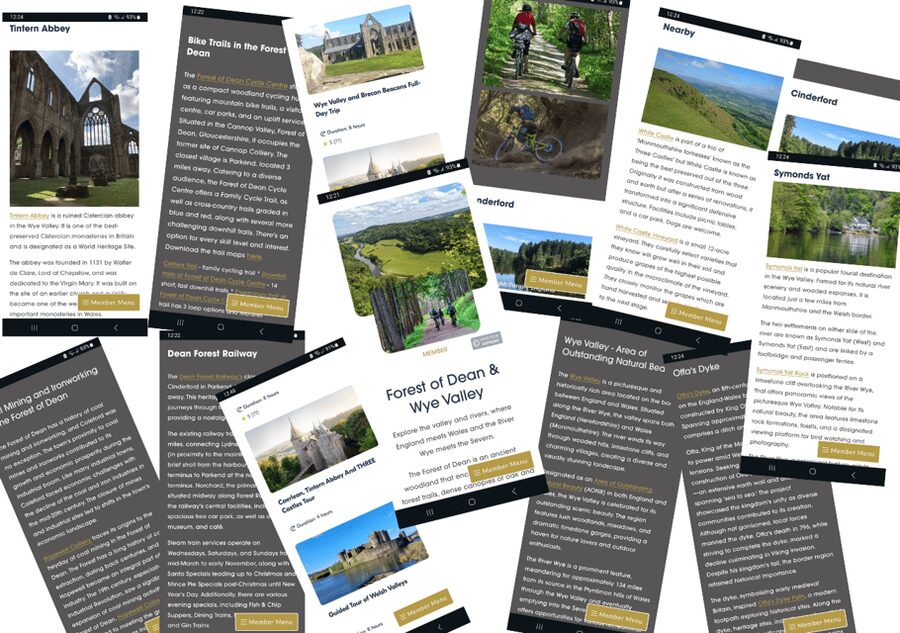
Reviewed · GUIDED
Forest of Dean & Wye Valley: Online Roadtrip Travel Guide
A self-drive route through two rivers’ stories. This online roadtrip guide helps you put together a 76-mile point-to-point loop through the Forest of Dean and the Wye Valley, with ideas split into practical sections. I especially like the ready-made structure for choosing what fits your days, and the pre-populated Google Maps pins that help you get moving without second-guessing every turn.
One consideration: this is self-guided, so you’ll need your own car, and you won’t get live navigation or fully custom routing inside the guide.
In This Review
- Key takeaways you can use right away
- Planning the Forest of Dean and Wye Valley route without the stress
- How the 76-mile point-to-point plan actually helps your trip
- Forest of Dean: Coleford, Lydney, caves, and rail-era vibes
- Wye Valley: Tintern Abbey and Symonds Yat’s river views
- Chepstow and Monmouth: old towns with real river energy
- The Dymock Poets section: a quieter angle on the region
- Outdoor adventures, plus canoeing ideas for time on the water
- Using the Google Maps pins: the guide’s quiet superpower
- What the guide gives you, beyond the list of places
- Budget and value: why $16 per group can make sense
- Who this self-drive guide is best for
- Should you book this Forest of Dean and Wye Valley guide?
- FAQ
- Where is the Forest of Dean and Wye Valley roadtrip guide located?
- How long is the suggested route?
- Is this a guided tour with a meeting point?
- Do I need my own vehicle?
- What can I expect in terms of trip length?
- Do I need to download an app?
- Does the guide offer live navigation?
- Is there help with directions in Google Maps?
- What does the price include?
Key takeaways you can use right away

- 76 miles, point-to-point style, so you can plan a real route instead of hopping randomly.
- 15 key destinations organized into clear sections for Forest of Dean, Wye Valley, and Dymock Poets.
- Google Maps support with suggested pins, plus directions by section you can adjust in Google Maps.
- Sample itineraries from 3 to 14 days, making it easier to match your time, not the other way around.
- Car-based travel focus, so you’ll spend less time figuring out logistics and more time enjoying the sights.
Planning the Forest of Dean and Wye Valley route without the stress
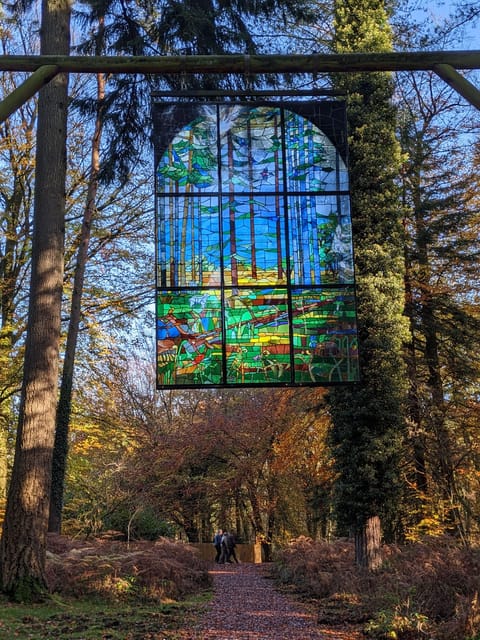
This experience is built for people who like to travel at their own pace, but still want a smart plan in their back pocket. The guide covers a scenic 76-mile (123 km) point-to-point trip across 15 towns and villages in and around Monmouthshire, England, and Wales. That point-to-point format matters. It gives you a sensible geography so your day does not turn into, now where was that place again?
What really makes it work is the structure. The route is split into themed chunks for the Forest of Dean, the Wye Valley, and an extra themed section for Dymock Poets. You can cherry-pick, then stitch together your own multi-day loop. If you only have a weekend, you can skim the highlights. If you have two weeks, you can slow down and linger.
I also like that it’s a true digital guide. You access it from a link, no app needed, and you can read it on your phone while you’re parked somewhere with a view. That’s not just convenient, it reduces friction. Planning stops being a “later” task and becomes part of the trip.
Also inked in under London
- Magical London: Harry Potter Guided Walking Tour
★ 4.7 · 22,044 reviews - London: Emirates Stadium Entry Ticket and Audio Guide
★ 4.7 · 5,513 reviews - London: Christmas Lights Bus Tour With Live Guide
★ 4.0 · 5,410 reviews
How the 76-mile point-to-point plan actually helps your trip
A lot of online itineraries are vague, like “see this region.” This one gives you a recommended journey and shows how destinations connect. It’s designed for flexibility, but it does not feel random. You’re not building a route from scratch each time you add a stop.
Here’s the practical payoff for you:
- You get a main route idea, so you’re not stuck choosing between places that are miles apart.
- The guide shows how to combine destinations based on your timeframe, typically 3 to 14 days.
- Each section has signposted options with web links for convenience and extra context.
Also, it’s not a one-size-fits-all list. You can choose what you want, skip what you do not care about, and still keep your overall driving pattern logical. That’s especially useful in this area because you’re moving between the Forest of Dean, Wye Valley towns, and the border vibe where England and Wales feel intertwined.
One more detail that I appreciate: the guide includes practical planning tips like how to get there and where to park. It’s not live navigation, but it helps you avoid the early-day “where do we put the car?” scramble.
Forest of Dean: Coleford, Lydney, caves, and rail-era vibes
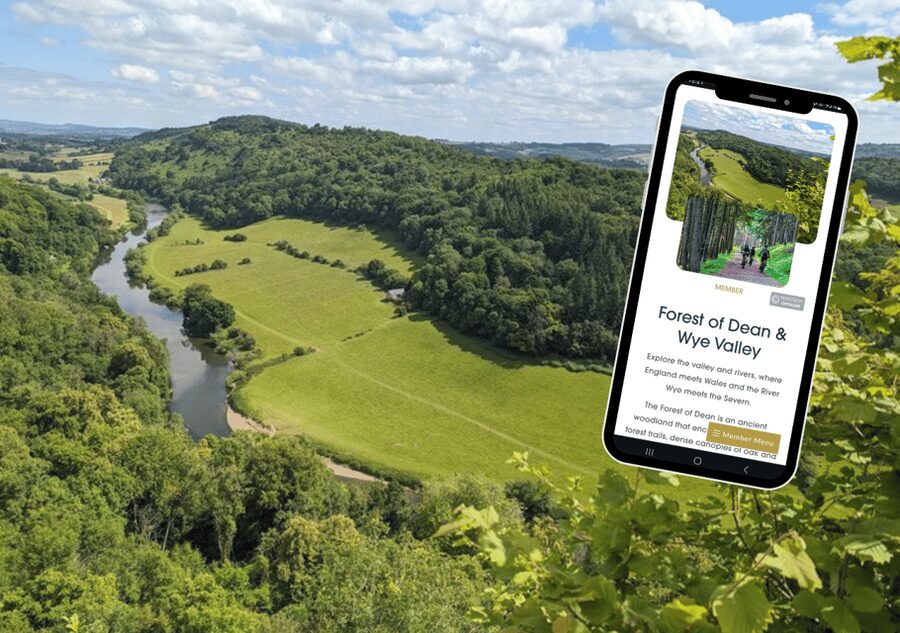
The Forest of Dean section is where the trip turns outdoorsy and industrial at the same time. You get a mix of market-town charm and working-woods energy, with ideas tied to mining and railway heritage around Coleford and Lydney.
Coleford and Lydney are great anchor towns because they feel like bases, not just quick photo stops. If you like to build your day around a town center first, then branch out, these help. You can use them as a starting point for shorter drives, then return for coffee, a walk, or just a breather.
Then the guide takes you into the underground and the film-and-TV ready forests through Clearwell Caves and Puzzlewood. This is the kind of stop that changes your whole mood. Above ground, you get forest paths and viewpoints. Below ground, you get something cooler and more cave-like, and it tends to feel like you changed worlds without leaving the area.
A practical way to think about these stops:
- Puzzlewood works best when you want a walking-focused hour or two, with plenty of photo moments.
- Clearwell Caves is ideal if you want a break from open-air hiking, especially when the weather is changeable.
Potential drawback: cave and forest stops often mean you’ll be on foot for at least part of the visit, so wear proper shoes and bring layers. The guide won’t do that for you, but it sets you up with the right idea of what kind of time each stop needs.
Wye Valley: Tintern Abbey and Symonds Yat’s river views
If the Forest of Dean portion gives you woods and heritage, the Wye Valley section turns scenic. This is the river country, where paths and viewpoints seem to line up with the bend of the water.
The headline stop here is Tintern Abbey. You’re looking at iconic ruins in a river valley setting, and the guide’s suggestions push you to experience it in context, not as a quick checkbox. Tintern works best when you give yourself time to wander the area around it and let the setting sink in. Even if you’ve seen photos, the scale and the calm feel different in person.
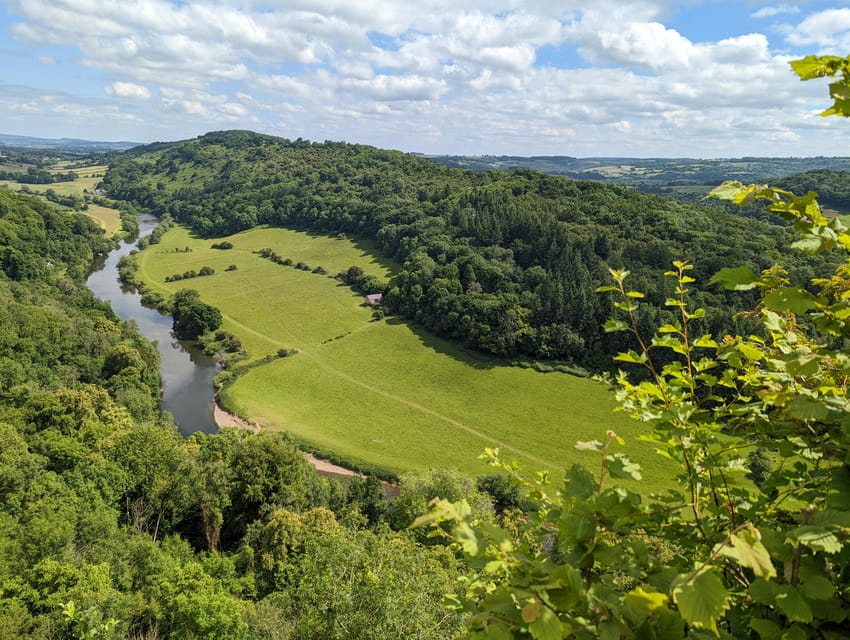
Next up: Symonds Yat. The guide highlights sweeping river views and forested walks. Symonds Yat is a good “choose your energy level” stop. If you feel like a longer stroll, you can lean into the walking trails. If you’re tired after driving, you can still get strong scenery without needing a marathon.
A smart strategy for the Wye Valley:
- Go early or late if you want softer light and fewer parking hassles.
- Pair Tintern Abbey with a later-day river viewpoint stop so you don’t burn out on walking in the same half-day.
No one wants a day that turns into a rushed blur. The guide helps you avoid that by separating the Wye Valley moments into distinct options rather than forcing everything into one packed day.
A page further on, still in London:
- London: The London Eye Entry Ticket★ 4.6 · 35,875 reviews
- From London: Harry Potter Warner Bros Studio Tour★ 4.7 · 26,588 reviews
- London: Westminster to Greenwich River Thames Cruise★ 4.5 · 22,836 reviews
- London: Madame Tussauds London★ 4.6 · 20,915 reviews
Chepstow and Monmouth: old towns with real river energy
The guide’s plan includes Chepstow and Monmouth, both of which add a more built-up, town-walk feel compared with the forest and cave stops.
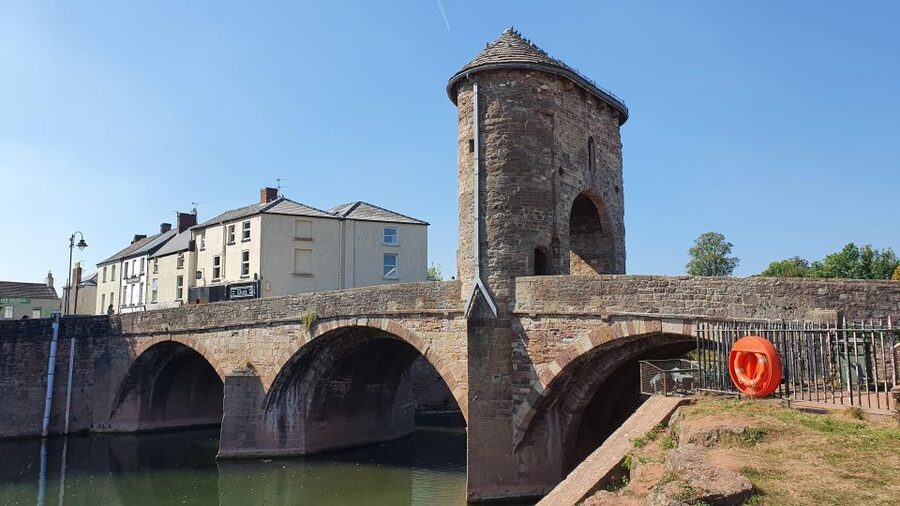
Chepstow is a natural fit if you like castles and bridges in your travel mix, because the area is tied to those big visual anchors. Monmouth is a charming counterpoint with a high street vibe that tends to make the day feel human-scale. Together, they help your itinerary feel like a journey through places, not just through scenery.
Here’s how to use these towns well:
- Treat them as a base for a slower meal and a short walk, then drive out for one focused stop.
- If you’re doing lots of walking earlier in the trip, keep your expectations realistic here. It’s still pleasant, just different from a trail day.
One thing I think the guide does well is connecting this town section to the overall route. You’re not randomly jumping in and out of places. The plan is meant to “weave” between the river corridors and the border feel of England and Wales, so the driving makes sense.
The Dymock Poets section: a quieter angle on the region
Not every road trip needs to be about ruins, caves, and riverside viewpoints. This guide includes a themed section for Dymock Poets, which is an invitation to slow down and explore the area with a different lens.
Because the guide names the theme explicitly, it gives you a sense that this part of the route is about place and creative tradition rather than just scenery. If you’re the type who likes to read a little, walk through a town, then understand the setting, you’ll probably enjoy this angle.
The practical value is that it breaks up the trip’s pacing. After active outdoor stops, a themed literary section gives you a change of rhythm. Even if you only spend part of a day here, it can make the overall itinerary feel less like a series of checkboxes.
Outdoor adventures, plus canoeing ideas for time on the water
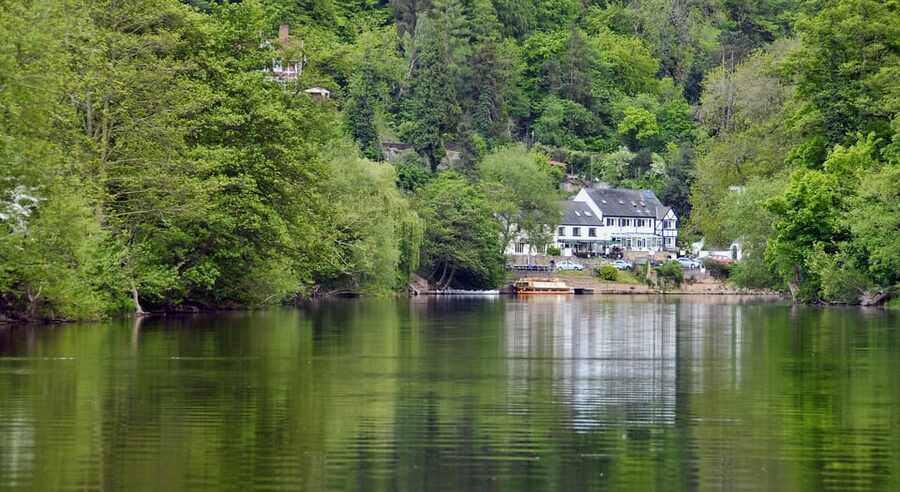
The guide also points you toward canoeing and outdoor adventures, with ideas for experiencing the Wye by water and taking on walking trails. That’s useful because it gives you options beyond “park and look.”
If you want more than a car day, canoeing and walking are a natural fit. Water time changes your perspective on the river corridor, and trails let you experience the area at a more personal pace. The guide doesn’t turn this into a fully booked activity itinerary, but it gives you the direction and the context so you can decide what you want to try.
Practical note: since the experience is self-guided and does not include bookings for activities, you’ll need to arrange anything like canoe hire or paid attractions on your own. The guide can help you figure out what to look for, but it won’t do the paperwork.
Using the Google Maps pins: the guide’s quiet superpower
One of the best parts of this setup is how it handles route planning without pretending to be a GPS app. After you access your guide, you’ll get access to pre-populated Google Maps with suggested pins and directions. Then, while the guide itself does not provide live navigation, you can use Google Maps to get your bearings and adjust directions by section.
This is how you keep your travel day calm:
- Use the guide at home to choose your stops and approximate order.
- When you’re on the road, open the linked Google Maps pins to follow the suggested route.
- If you decide to shift priorities, adjust in Google Maps by section rather than trying to rewrite the whole plan at the last second.
That approach keeps you from losing time. It also reduces the chance you’ll show up at an attraction with no parking idea or with the wrong assumptions about driving time.
What the guide gives you, beyond the list of places

This isn’t a tour with a person leading you around. It’s an online guidebook experience, and that makes it especially good if you like control. You choose where to start and finish to match your schedule.
You get:
- A destination online guidebook
- A suggested point-to-point route
- Sample itineraries that show what’s possible across different timeframes
- Help connecting destinations into a trip that fits your interests
- Planning tips like getting there and where to park
And because it’s an online license, you can use it for the whole planning arc. You’re not just reading once and forgetting. The guide is meant to be reopened when you’re deciding what to cut, what to add, and where you can afford to linger.
Budget and value: why $16 per group can make sense
Pricing for this experience is set at about $16 per group up to 7. That’s a low figure for what you’re buying, but the value is in what’s included, not in what’s missing.
You are paying for planning help, not for:
- a tour guide
- transport
- meals
- entrance tickets
- accommodation booking
- live navigation
- fully custom routing inside the guide
So the question is, will you actually use the guide as intended? If you like to drive your own route, and you want a structured way to choose stops across the Forest of Dean and Wye Valley, this price can feel very fair. If you hate planning and want someone to handle everything, you’ll likely feel underwhelmed.
Also think about group value. Up to 7 people sharing the same guidebook access means it can work well for families or small friend groups traveling with one car plan. In the end, you’re paying for coordination time that would otherwise turn into hours of searching.
Who this self-drive guide is best for
This fits well if:
- You want a self-guided roadtrip with flexibility
- You prefer using your car and deciding your own pace
- You like having a plan that’s organized by region and theme
- You want a route that helps you connect multiple towns without chaotic driving
It’s also a good match if you’re the type who enjoys mixing big landmarks with quieter stops. Tintern Abbey and Symonds Yat for the big sights, Puzzlewood and Clearwell Caves for storybook atmosphere, plus town breaks in Chepstow and Monmouth, and a calmer Dymock Poets angle.
If you only want a single day out, you might find it too spread out. This guide really shines when you can give the area enough time to make the driving feel worth it.
Should you book this Forest of Dean and Wye Valley guide?
I’d book it if you want less guesswork and more confident planning. The 76-mile point-to-point structure, the 15 destination framework, and the Google Maps pins help you build a route that feels sensible. It’s also worth it if you travel in your own rhythm and like the idea of choosing between Forest of Dean, Wye Valley viewpoints, and the Dymock Poets themed side of the region.
Skip it only if you want someone to guide you in person, or if you expect the guide to replace your need for real-world reservations and on-the-ground navigation. This is not that kind of service.
If you’re planning a car-based trip where you want scenic variety and a clean plan, this one is a solid pick.
FAQ
Where is the Forest of Dean and Wye Valley roadtrip guide located?
It’s centered on Monmouthshire, United Kingdom, and focuses on the Forest of Dean and Wye Valley areas.
How long is the suggested route?
The guide describes a scenic point-to-point trip covering 76 miles (123 km).
Is this a guided tour with a meeting point?
No. It’s self-guided, and you won’t meet anyone. You can access the guide when it suits you.
Do I need my own vehicle?
Yes. Transport is not included, so you’ll need your own vehicle to visit the suggested destinations.
What can I expect in terms of trip length?
The guide includes sample itineraries to help shape your trip, typically from 3 to 14 days.
Do I need to download an app?
No app is needed. You access the guide via a website link.
Does the guide offer live navigation?
No. It does not provide live navigation or fully customizable routing.
Is there help with directions in Google Maps?
Yes. The guide includes pre-populated Google Maps with suggested pins and directions, and you can customize directions by section using Google Maps.
What does the price include?
It includes the online destination guidebook, a suggested point-to-point route, and sample itineraries. You also get a 12-month account license, with access via website and no app needed.
Newest entries under London






Guided, compared.

Magical London: Harry Potter Guided Walking Tour
Read our review →

City & Beatles Tour with Live Guide & Live Music
Read our review →
Emirates Stadium Entry Ticket and Audio Guide
Read our review →

University and City Walking Tour with Alumni Guide
Read our review →