Reviewed · UNITED KINGDOM
Elgin: In and out the Dusty Closes
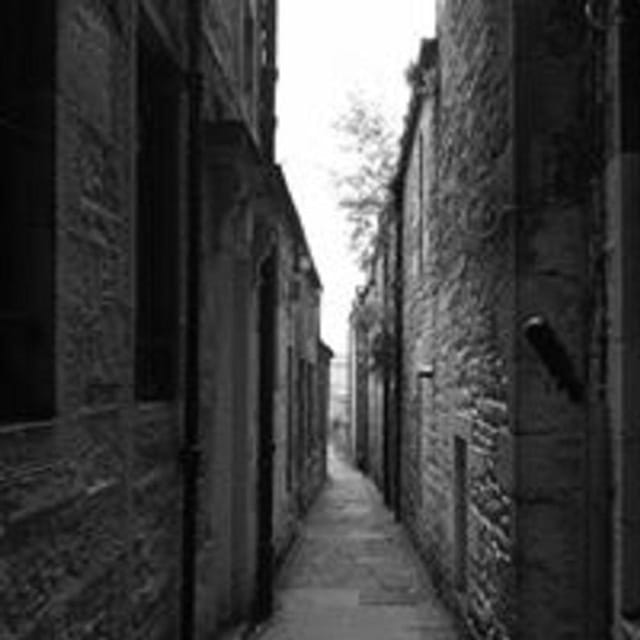
Elgin’s closes tell hard truths fast. On this 2-hour walk in Moray, you slip past the High Street into narrow lanes shaped by centuries of life, and you start to see Elgin’s dusty closes as more than odd side streets. I love how the guide turns the stone space into real daily routine, so the past feels close to your feet, not stuck in a distant book.
I also love the tour’s mix of everyday survival and big public health shocks, especially how people dealt with outbreaks in crowded quarters. You hear specifics like the town’s only surviving street tap and the history of epidemics, including the bilious fever outbreaks of the 1840s, all tied back to what life was like when there was no modern plumbing or much room to keep apart. That connection is the magic trick here.
One consideration: the stories get dark. You’ll hear about strict social control, including penalties for saying no to your husband, plus public humiliations like the scold’s bridle. If you prefer your history lighter, plan for a more serious tone, and also wear shoes that can handle uneven surfaces.
In This Review
- Quick hits before you go
- Where Elgin’s High Street ends, the closes begin
- Price and time: a short tour that packs real context
- Finding the meeting point fast: stone pillar plus benches
- Step into the 1600s details you can still see
- Life before plumbing: street taps, water hauling, and tight routines
- Urban livestock in narrow plots: when animals lived close
- Epidemics and resilience: bilious fever and the limits of social distance
- Women’s stories in the alleyways: work, money, shame, and punishment
- Who should book this, and who might want a different type of tour
- Practical tips for a smoother walk
- Should you book In and Out the Dusty Closes?
- FAQ
- How long is the In and Out the Dusty Closes tour?
- How much does the tour cost?
- Where is the meeting point?
- Is the tour wheelchair accessible?
- What languages are available for the live guide?
- Are pets allowed?
- What is included in the tour price?
- What is not included?
- Is free cancellation available?
Quick hits before you go
- A guided walk through real closes where medieval to early modern Elgin life actually happened
- No-plumbing daily chores, including the town’s only surviving street tap
- Epidemics in tight quarters, with named reference to bilious fever in the 1840s
- Urban livestock logic, showing how animals fit into narrow plots
- Women’s lives in the alleyways, including widows, housewives, shame, and punishment
- Original architectural details from the 1600s, so you can spot what still survives
Where Elgin’s High Street ends, the closes begin
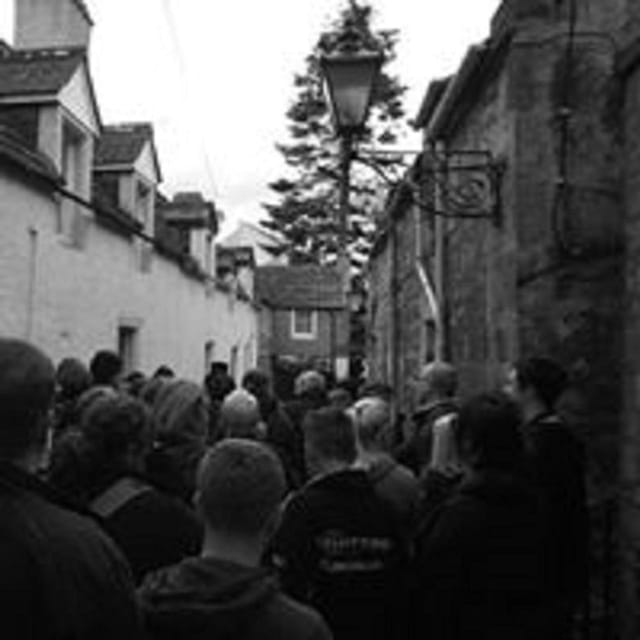
Elgin’s main streets feel orderly and public. These closes feel personal and cramped. That contrast is why this tour works so well. You start in Historic Elgin and then move into narrow, winding alleyways that have shaped the Royal Burgh since the 1100s.
What surprised me most is how quickly your brain adjusts. The second you’re walking the bends, you start measuring space like an older resident would. Where would you store things? How would you fetch water? How would a sick person get isolated when houses are pressed together?
The guide frames the lanes as practical survival corridors, not spooky movie sets. You’re not just collecting trivia. You’re building a map of how a town like this functioned, using the physical place as your guide.
Signed into the guestbook for Elgin Scotland just ahead of you:
- Elgin: High Street Graveyard Walking Tour
★ 5.0 · 4 reviews - Elgin: Witch Trials Tour
★ 5.0 · 3 reviews - Elgin: Cathedral Interior Guided Tour
★ 5.0 · 2 reviews
Price and time: a short tour that packs real context
This is a $21 per person, roughly 2-hour guided experience. For the time, it’s a focused hit of social history: housing, daily work, water access, epidemics, and women’s roles and punishments.
That value comes from the fact that you’re not just hearing about the past in general. You’re being shown the lanes themselves, and the guide ties each topic to what residents would have faced in those spaces. It’s the difference between reading, and walking through the setup that created those daily choices.
The duration is listed as 1 to 2 hours depending on starting time availability, so give yourself a little buffer after. You’ll want time to cool down and think after the heavier parts, like the penalties and public humiliations.
Finding the meeting point fast: stone pillar plus benches

You meet at a clear landmark: a stone pillar with a few steps at the bottom, plus two benches nearby. It’s simple, but still worth arriving a few minutes early so you can get oriented before the walk starts.
From there, the tour runs on foot through historical areas with uneven surfaces. That means your best friend is steady footing. If you’re used to paved sidewalks only, plan a little extra care, especially if the weather turns.
Step into the 1600s details you can still see
One of the tour’s strongest selling points is that you get to see original details from the 1600s. That’s a sweet spot in time, because it’s far enough back to feel very different, but close enough that some physical features still help you picture daily life.
As you walk, the guide points out what you’re looking at and why it mattered. In tight closes, construction details aren’t just aesthetics. They affect privacy, security, and how crowded a home could feel.
I like that the tour doesn’t treat architecture like a museum display. It treats it like a tool people had to live with. You start to understand why life in these alleyways was intense. Narrow passages shape noise, smell, movement, and even how fast problems spread.
A page further on, still in Elgin Scotland:
- Elgin: Cathedral Exterior Tour★ 5.0 · 1 review
- Elgin: The Royal West End Walking Tour★ 5.0 · 1 review
Life before plumbing: street taps, water hauling, and tight routines
When the tour talks about life without plumbing or electricity, it’s not vague. You hear about the daily toil of fetching water, and you learn about the town’s only surviving street tap.
This is where the closes become more than a backdrop. Once you understand water access, you understand why daily timing mattered and why routines were built around what was available nearby. In cramped alley space, there’s less room to improvise. If water is a fixed point, people organize their day around that reality.
The practical lesson is simple. Modern comfort hides a lot of labor. Remove plumbing, and every household decision gets louder. Even basic tasks take coordination, space, and energy.
If you’re a visitor who likes history grounded in daily life, this section is a highlight. It’s also the part that makes the rest of the tour feel believable, because you now have a framework for how the town worked.
Urban livestock in narrow plots: when animals lived close
In a world without supermarkets, residents had to solve the food problem at home. Here, the tour explains how people integrated livestock into their narrow urban plots.
That detail matters because it shows how households used limited space for multiple needs. These closes weren’t only living areas. They were also sites for managing supplies and daily survival.
You can picture the practical tradeoffs instantly. Animals mean smell, mess, and noise. But they also mean access to food and materials. The closes, being compact and closely connected, would have forced residents to be clever and practical.
This is not “cute farm in a city” history. It’s a reminder that food security used to be local and physical, not a matter of a quick trip.
Epidemics and resilience: bilious fever and the limits of social distance
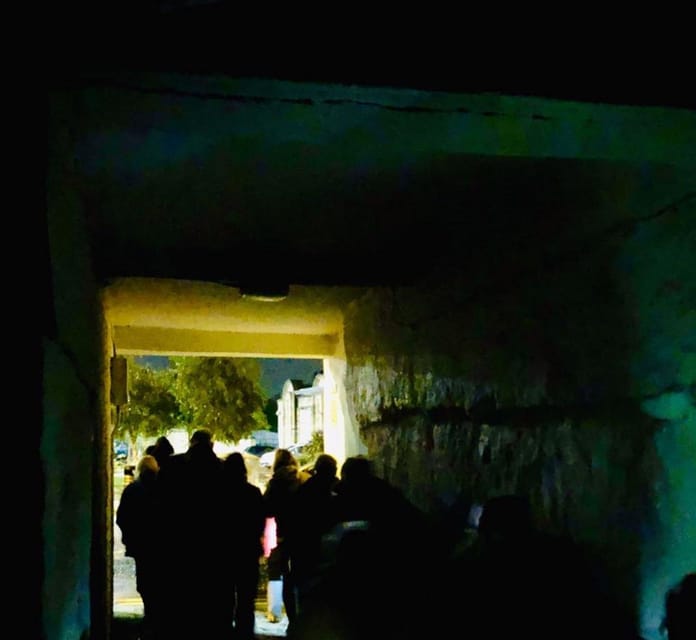
The tour also tackles epidemics, and it does it in a way that fits the setting. Crowded closes meant social distancing was nearly impossible when outbreaks hit.
You hear about historical outbreaks, including the bilious fever of the 1840s. Then you get broader context on how towns tried to handle deadly outbreaks when people shared spaces and couldn’t easily separate households.
This is one of those sections where the place you’re standing in changes how you feel about the information. In a wide open city block, you can imagine quarantine as a concept. In these narrow lanes, you feel the challenge immediately.
I appreciate that the guide connects disease and behavior, not just disease facts. It helps you understand why resilience wasn’t just moral courage. It was also about daily management under pressure.
If you’re someone who likes public health history or wants context for why crowding is dangerous, this part lands hard and stays with you.
Women’s stories in the alleyways: work, money, shame, and punishment
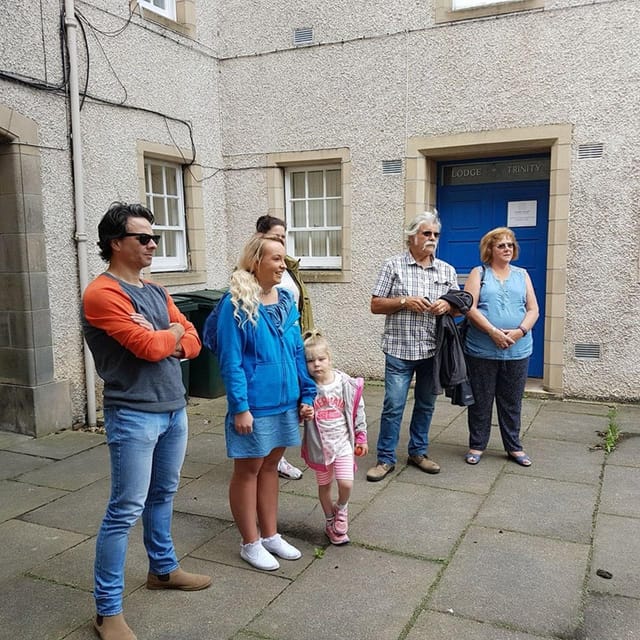
A major focus is the untold stories of women in Elgin’s closes. The tour covers 17th and 18th century challenges for housewives and widows, and it treats those lives as central to how the alleyways survived.
First comes economic ingenuity. For widows, formal work could be limited, so the tour explains how women had to find ways to provide for their families through informal, underground economies. You get a sense that survival depended on adaptability and trust within tight communities.
Then the guide shifts to discipline, devotion, and the heavy social rules that shaped behavior. The tour talks about strict religious shame surrounding natural cycles and even the act of reading. That’s a reminder that daily life included constant judgment, not just chores and weather.
You also hear about crime and punishment, including public humiliations used to silence women who spoke out of turn, such as the scold’s bridle. And you learn about penalties for saying no to your husband.
This is the section that can feel uncomfortable, and it should. The goal is not comfort. It’s understanding. And once you see how closely social control was tied to public space, you understand why women’s voices were often policed in these communities.
Who should book this, and who might want a different type of tour
This tour is a great match if you like history with physical details. If you enjoy walking tours where the street layout matters, you’ll feel at home here.
It’s also strong if you want a fuller picture of daily life, including water hauling, animal keeping in town, and how epidemics spread in crowded places. The tour doesn’t stick to kings and dates. It sticks to how people survived.
I’d suggest you think twice if you’re sensitive to harsh social themes. The stories about punishment and gender expectations are specific and direct, including the scold’s bridle and penalties tied to marital obedience. It’s historically important, but it is not a light stroll.
Practical tips for a smoother walk
Start with the basics. Wear comfortable walking shoes. You’ll be on uneven surfaces in historical areas, and you don’t want sore feet to distract you from the stories.
Bring layers. Weather in Moray can change fast, and you’ll want to adjust as the walk goes on. Even if the forecast looks fine, plan for a cool wind and damp stretches.
Finally, go in with a mindset of observation. Look at the tight turns, the way the lanes compress space, and how that setting would influence daily life. That’s how the tour becomes more than facts. It becomes understanding.
Should you book In and Out the Dusty Closes?
I think you should book this tour if you want authentic, place-based history in a short time. For $21 and about 2 hours, you get a guided walk through historic closes shaped since the 1100s, including original 1600s details, plus practical lessons on life before plumbing and how epidemics worked in crowded conditions.
Book it especially if the idea of hearing women’s stories, including widow economies and public punishments like the scold’s bridle, feels like real history to you, not an add-on.
Skip it if you prefer upbeat storytelling or you’d rather avoid topics involving shame and punishment. Also consider your footing and comfort level with uneven historical streets.
If you’re game for serious social history told on the ground where it happened, this is one of the more memorable ways to understand Elgin beyond the High Street.
FAQ
How long is the In and Out the Dusty Closes tour?
It runs for 1 to 2 hours, with a duration listed as 2 hours. You can check availability to see starting times.
How much does the tour cost?
The price is listed as $21 per person.
Where is the meeting point?
You meet at a stone pillar with a few steps at the bottom, and there are 2 benches near it.
Is the tour wheelchair accessible?
Yes. It is wheelchair accessible, and most routes are wheelchair-friendly.
What languages are available for the live guide?
The live tour guide speaks English and Spanish.
Are pets allowed?
Pets are not allowed, but assistance dogs are allowed.
What is included in the tour price?
You get a guided tour of the hidden alleyways, historical context on life across the 1600s, 1700s, and 1800s, discussion of epidemics and how they were managed, details about family life, housing, security, coping mechanisms before modern conveniences, and information about widows and societal expectations, including punishments and norms.
What is not included?
Meals and drinks, transportation to the meeting point, and personal expenses are not included.
Is free cancellation available?
Yes. You can cancel up to 24 hours in advance for a full refund.