
Reviewed · BRITISH CASTLES & PALACES
Dover Castle Admission Ticket
Dover Castle runs on secrets underground. In one visit, you move from Henry II’s 12th-century world to WWII survival stories, all on a cliff-top fortress that feels built for trouble. I love the way the site gives you big, visual “you are there” moments in the medieval rooms and then rewards you with real viewpoints from the Great Tower. The tradeoff is that the route is hilly and stair-heavy, so bring sturdy shoes and plan for a fair amount of uphill walking.
My other favorite part is the time jump you cannot get on a normal history stop: the Dunkirk-linked wartime tunnel experience. You’ll follow the 1940 Miracle of Dunkirk story through film, audio, and archive photography, and you can even see a rare anti-aircraft gun in action. One thing to consider is that the underground areas can draw queues, and the ticket office flow may send you toward tunnels quickly, so arriving earlier is a smart way to protect your time.
In This Review
- Key highlights you should not skip
- Entering Henry II’s Palace Rooms and Climbing the Great Tower Roof
- Why Dover Castle feels tougher than most fortresses
- The underground story: hospital tunnels, Dunkirk film, and audio scenes
- Dover Castle Under Siege and the reopened medieval tunnel experience
- Don’t rush the small wins: views, the fresh water hole, and costume photo ops
- Price and value: what $33 buys you in a full day
- Getting the day right: meeting point, last entry, and queue reality
- Should you book Dover Castle admission?
- FAQ
- How long does Dover Castle admission last?
- Where do I meet for Dover Castle admission?
- What is the last entry time to the site?
- What are the main highlights included with admission?
- Is Dover Castle Under Siege included with the ticket?
- Is this good for families?
- Can I get a guided tour experience inside the castle?
- Is Dover Castle wheelchair accessible?
- What is the cancellation policy?
Key highlights you should not skip
- Great Tower roof views that make Dover’s cliff setting instantly make sense
- Henry II palace interiors with lifelike hologram figures in private rooms and the great hall
- Roman-to-Cold War coverage that explains how this place kept getting rebuilt
- WWII tunnels tied to Dunkirk, told through film, audio, and archive photos
- Medieval, Napoleonic, and world war tunnel use, with extra story layers in reopened sections
- Anti-aircraft gun moments that turn history into something you can see and hear
Entering Henry II’s Palace Rooms and Climbing the Great Tower Roof
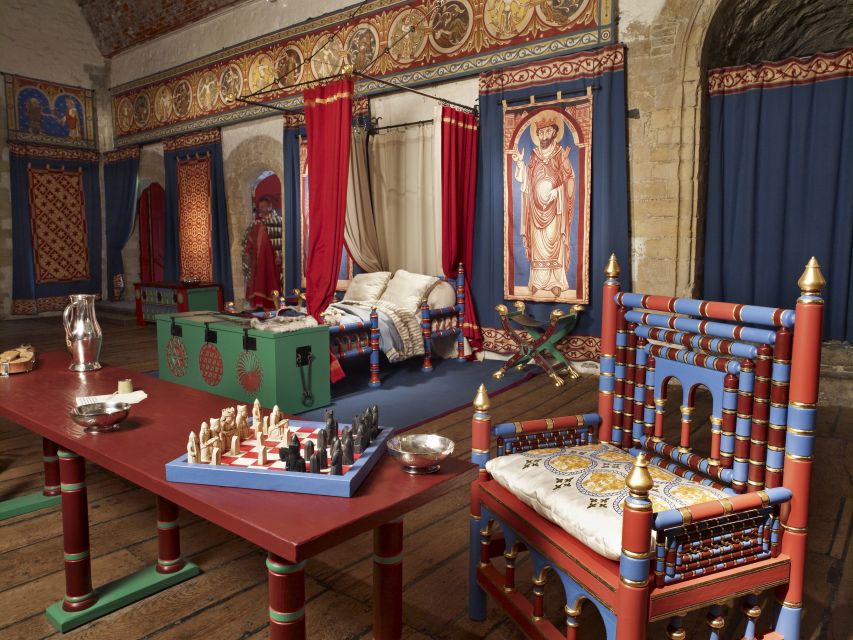
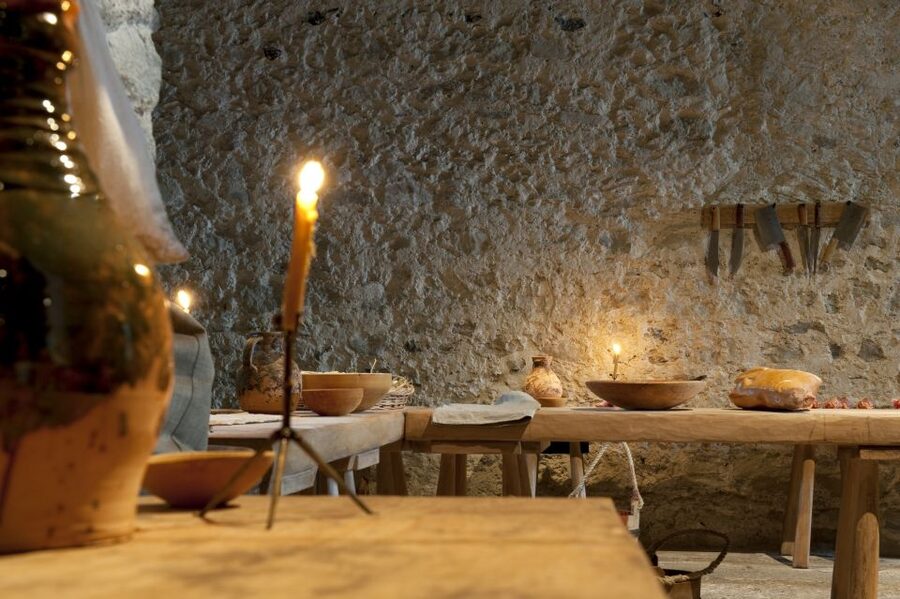
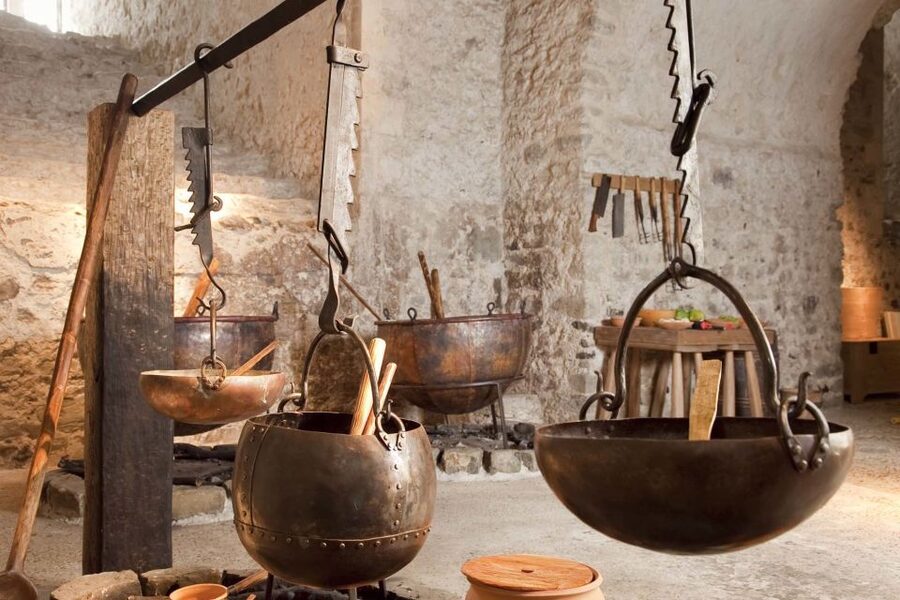
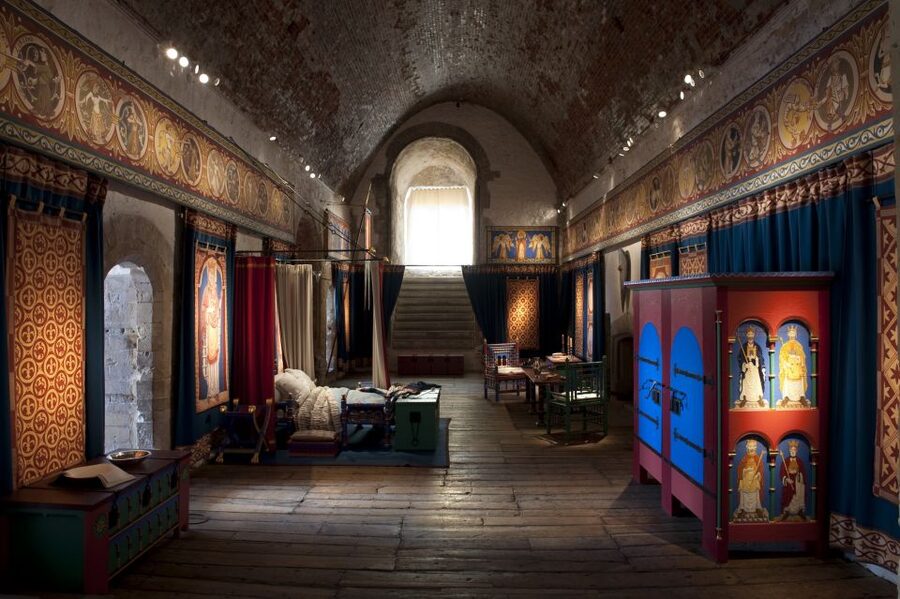
Start with the medieval highlight because it sets the tone fast. Dover Castle was a major royal site, and the Henry II section leans into that “court life” feeling. Instead of just reading plaques, you’ll walk through private chambers, guest rooms, and the great hall, then pass through spaces tied to the castle’s day-to-day work like the kitchen and armories. The lifelike hologram figures guide you around like living actors, which helps if you struggle to picture how these rooms were actually used.
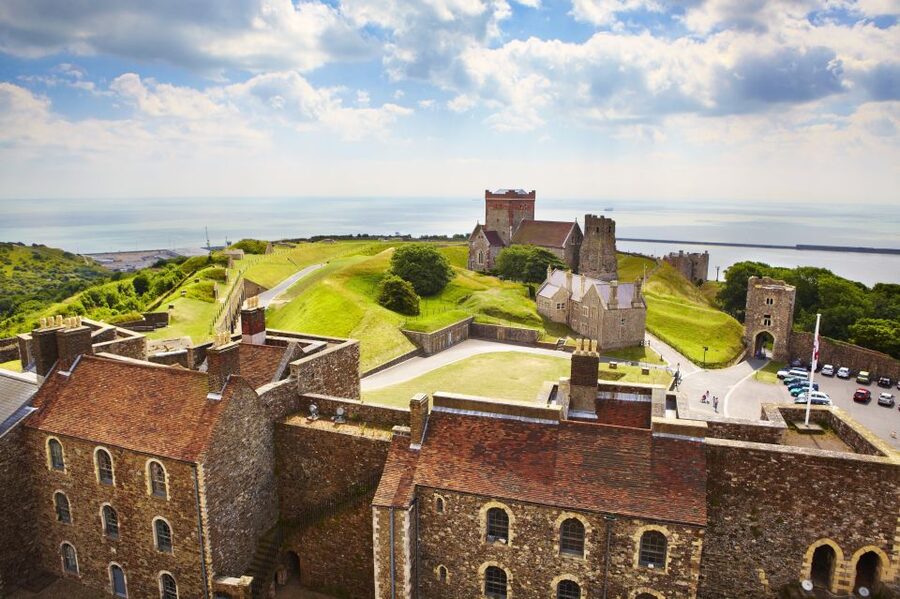
Then comes the payoff: a climb up to the roof of the Great Tower. This is one of those rare climbs where you do not just earn a view, you earn context. From above, Dover looks like what it is, a fortress built to watch the sea. If you care about defense, it is the fastest way to understand why this spot mattered.
Practical tip: give yourself extra time at this stage. It is easy to rush the rooms, then feel hurried on the climb. If you want photos with the castle walls and the Channel in the background, go earlier in your ticket window when the light is often more forgiving.
More chalk faces above the Channel:
- From London: White Cliffs of Dover and Canterbury Day Trip
★ 4.6 · 2,623 reviews - London: South Downs White Cliffs Day Trip with Train Tickets
★ 4.9 · 1,441 reviews - London: Canterbury Cathedral, Dover Castle, and White Cliffs
★ 4.6 · 973 reviews
Why Dover Castle feels tougher than most fortresses
Dover is not a one-era castle. That is a big part of why I like it, and why the English Heritage approach works here. The castle’s story stretches across centuries, from Roman-era connections through the Cold War. You do not just see different buildings. You see a pattern, people kept reinforcing this place because it stayed strategically important.
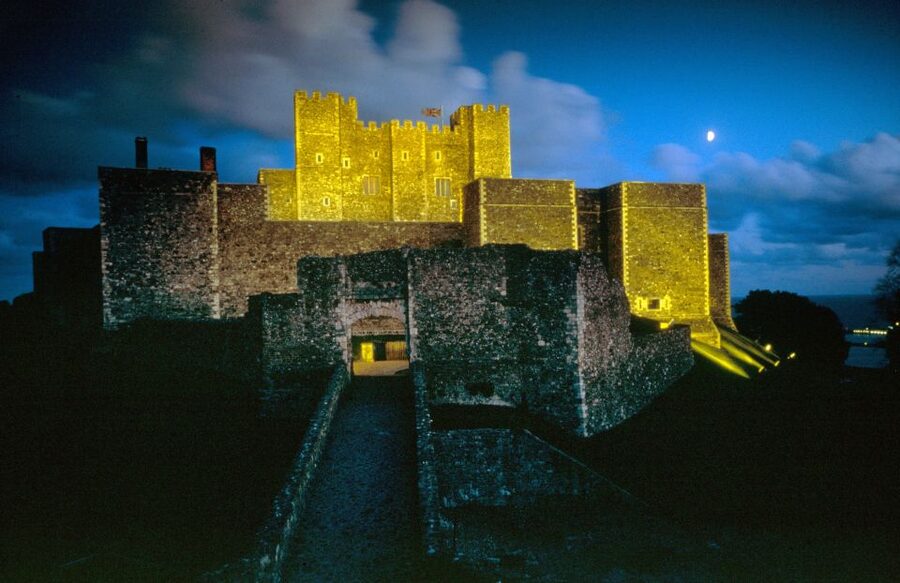
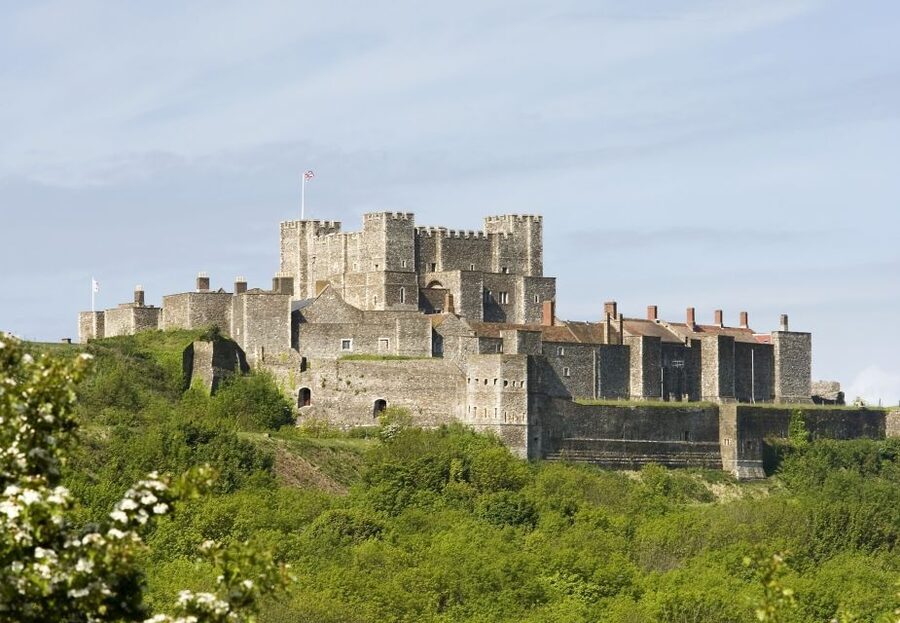
One reason the site hits is the way it connects geology and planning. The fortress sits above the White Cliffs of Dover, and that setting is not scenery you ignore. It is part of the explanation for why the castle looks the way it does and why defenses kept evolving.
Also, the castle’s interiors and routes help you understand how life worked, not just how war was fought. You move through royal and service spaces, then shift underground for wartime functions. That contrast is what makes Dover Castle more than a “pretty monument” stop.
If you want a mental shortcut while you walk: think of the castle as three layers. Above ground, you see power and ceremony. On the walls and towers, you see control and defense. Under the ground, you see survival, planning, and people trying to keep moving when everything breaks down.
The underground story: hospital tunnels, Dunkirk film, and audio scenes
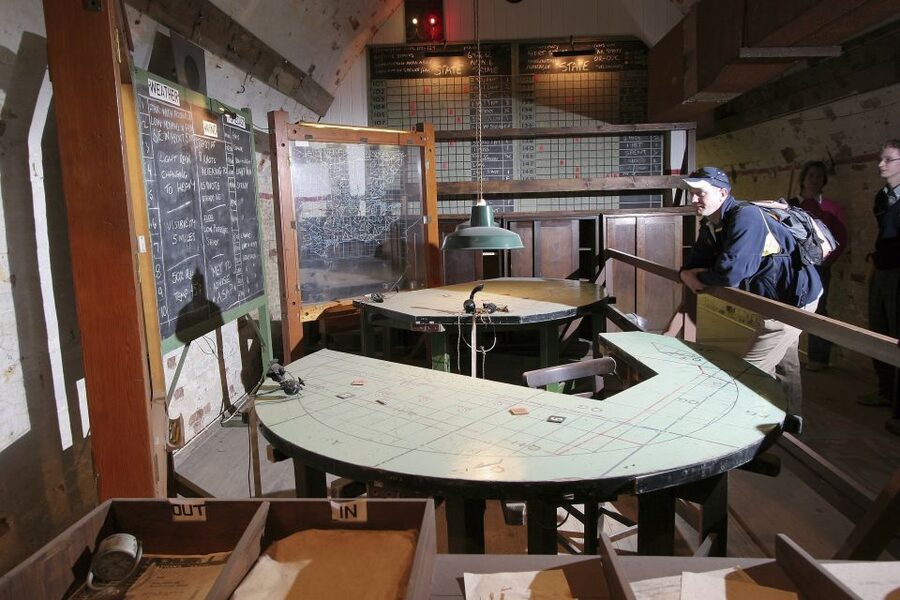
Now for the part that many people plan their day around, the tunnels. Dover’s underground areas connect to multiple conflicts across time, and the WWII sections are especially compelling. The experience centers on the 1940 Miracle of Dunkirk, using film, audio, and archive photography to tell what happened and how people organized evacuation and rescue.
What I like about this setup is that it does not require you to be a WWII expert to follow the plot. The mix of media helps you move step by step through a story, with the underground spaces reinforcing the emotion. You’re not just learning facts. You are in an environment where people would have needed information fast, decisions under pressure, and quiet discipline.
Two tunnel-focused tips based on what you’ll likely notice on-site:
- Underground routes mean waiting can happen. If you hate lines, arrive early and be ready to go underground sooner rather than later.
- Guided explanations matter here. The tunnel and hospital areas work best when you pause and catch the staff stories instead of racing ahead.
There is also a strong hospital-tied component in the underground programming. The hospital elements help you understand what evacuation meant for people who could not move easily. It shifts the tone from heroics to reality.
And yes, there’s a moment that feels almost like a movie scene: a rare anti-aircraft gun demonstration. It is brief, but it gives you a sensory check against what you just watched and heard.
Dover Castle Under Siege and the reopened medieval tunnel experience
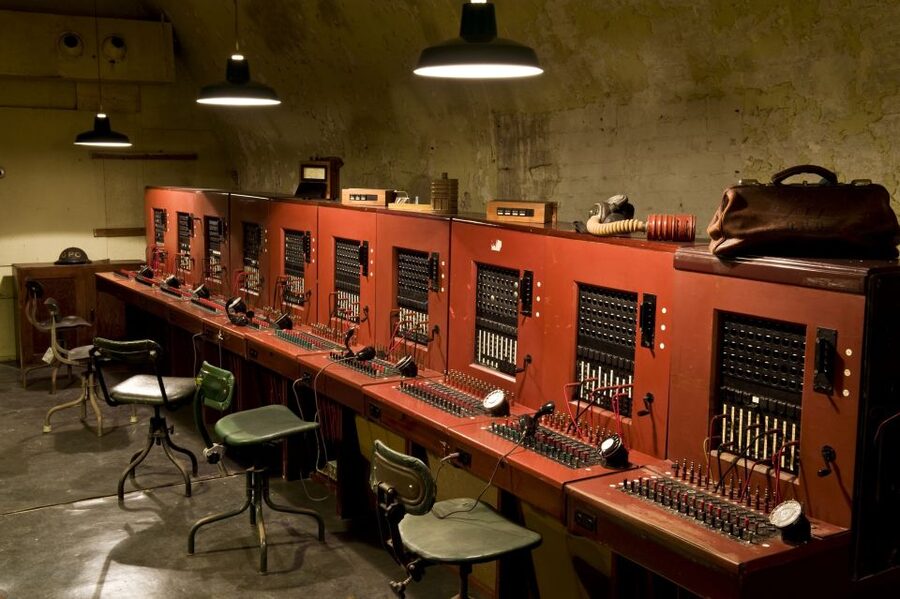
A newer layer of the visit is Dover Castle Under Siege. This attraction focuses on the castle’s most challenging periods with hands-on, interactive displays and reopened medieval tunnels. If you already like the medieval parts, this is a great “bridge” that ties the earlier royal setting to the pressures that kept arriving.
I like this added approach because it gives you another way to process the same location. You can walk the medieval rooms, climb for views, then come back and understand how those structures lived through sieges, conflict, and constant adaptation. It turns the castle into a living timeline instead of a set of separate stops.
If you are the type who likes to read less and experience more, Under Siege tends to work well because it uses interaction. If you are the type who loves quiet, traditional touring, you can still enjoy it at your own pace, but plan time so it does not squeeze out the tunnels.
More keeps and staterooms to walk:
- Windsor Castle Admission Ticket★ 4.7 · 7,032 reviews
- London: Windsor Castle, Stonehenge & Bath Full-Day Tour★ 4.4 · 3,112 reviews
- From London: Cotswolds, Blenheim Palace & Downton Abbey★ 4.4 · 800 reviews
- From London: Leeds Castle, Canterbury Cathedral & Dover★ 4.4 · 735 reviews
Don’t rush the small wins: views, the fresh water hole, and costume photo ops
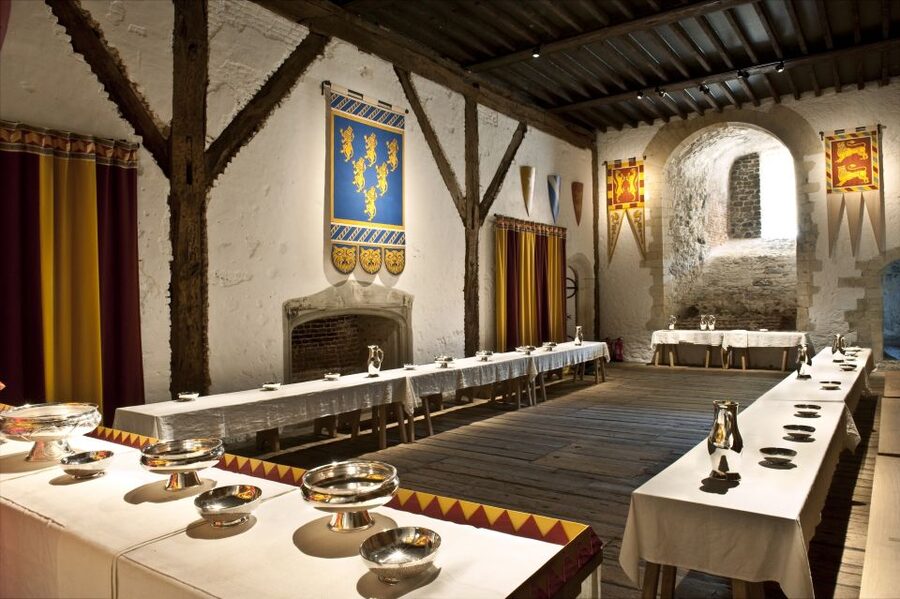
Beyond the big-ticket highlights, Dover Castle has some surprises that make it feel human. One standout is the fresh water hole described as being around 100 meters deep. Seeing that depth idea in your head is one thing, but the water drop experiment makes it more real. It is a rare chance to connect engineering to everyday survival.
Then there are the castle grounds and roofline viewpoints that help you reset your brain between indoor and underground scenes. Even if clouds roll in, the view from the heights can still feel dramatic because you get the shape of the coast and the fortress scale.
You can also find fun photo opportunities, including dress-up-style armor and shields in mesh. That is not why everyone comes, but it is a nice break, especially if you’re visiting with kids or anyone who likes the theatrical side of history.
Timing note: this is the kind of site where your best plan is not “see everything.” It is “see the right things, at the right speed.” If you want both medieval rooms and the deeper underground story, plan for at least half a day, and closer to a full session if you like stopping for guides and photos.
Price and value: what $33 buys you in a full day
At about $33 per person for a 1-day admission ticket, the question is not whether it is cheap. The question is whether it is worth it compared with other UK attractions.
Here, the value comes from range. You get:
- A medieval royal palace experience with modern storytelling (hologram figures)
- A major climb for panoramic views
- Multiple time periods tied to how Dover kept defending itself
- Underground WWII storytelling connected to Dunkirk
- A rare anti-aircraft gun moment
- Access to additional new programming through Under Siege
That is a lot for one site. The best value shows up if you go in with a “slow enough” mindset. If you try to sprint through, you’ll miss the emotional payoff of the underground sections, and the ticket will feel expensive.
My money-saving advice is simple: go early enough that you can handle the tunnel timing calmly. If queues force you to cut a segment, you start paying more per hour of enjoyment, even if you did buy the ticket.
Getting the day right: meeting point, last entry, and queue reality
You’ll meet at Castle Hill, Dover, Kent, CT16 1HU. Plan to arrive with enough buffer to get oriented before heading into the heavier sections.
One of the most practical rules is this: the last entry time to the site is 2 hours before closing. That means you should aim to exchange your voucher for your ticket at least 2 hours before closing time, so you do not get squeezed out of the tunnels or rooftop views. If you arrive late, you’ll end up choosing between the medieval route and the underground story.
Also expect physical effort. The experience involves lots of walking up and down hills and plenty of stairs. On a bad day, it can leave you sore the next morning. So if mobility is an issue, plan breaks and move slowly. Even if you are fit, Dover Castle will “work” your legs because the site sits on a slope.
Finally, the tunnel flow can affect your mood. There’s a pattern where the ticket office can direct many people quickly toward tunnel areas, which can create a heavier queue than you might expect. If you want to avoid stress, arrive earlier and ask staff where to start based on what you care about most.
Should you book Dover Castle admission?
Book it if you want one day that actually feels like multiple centuries, and you care about WWII in a setting that is not just behind glass. The combo of Henry II palace interiors, Great Tower views, and the Dunkirk tunnels is the reason this works.
Skip it or reconsider if you hate stairs and uphill walks, or if you know you cannot handle queues in underground spaces. In that case, you might still enjoy a shorter plan that focuses on the strongest accessible parts, but the full experience asks for stamina.
If you’re on the fence, my advice is to prioritize what you will remember most: for many people, it’s the tunnel story and the hospital areas. If that’s you, this is a solid use of a limited day in South East England.
FAQ
How long does Dover Castle admission last?
The ticket is valid for 1 day. Check available starting times, then plan your visit so you can reach the main highlights without rushing.
Where do I meet for Dover Castle admission?
The meeting point is Castle Hill, Dover, Kent, CT16 1HU.
What is the last entry time to the site?
Last entry is 2 hours before closing time. Make sure you reach the ticket office to exchange your voucher for your ticket at least 2 hours before closing.
What are the main highlights included with admission?
Admission lets you access the medieval palace experience, the Great Tower roof for panoramic views, tunnel areas tied to multiple conflicts, and WWII storytelling connected to the 1940 Miracle of Dunkirk. The site also features a rare anti-aircraft gun in action.
Is Dover Castle Under Siege included with the ticket?
The ticket grants admission to the castle site, and the new attraction Dover Castle Under Siege is noted as open and included as part of what you can experience on your visit.
Is this good for families?
Yes. The Family Admission Ticket allows entry for 2 adults only and up to 3 children aged 5 to 17.
Can I get a guided tour experience inside the castle?
The experience includes tours and interpretive elements in key areas like the underground tunnel and hospital areas, which are presented as part of what you experience on-site.
Is Dover Castle wheelchair accessible?
Yes, the activity is wheelchair accessible.
What is the cancellation policy?
Free cancellation is available up to 24 hours in advance for a full refund.
Newest entries under London






British Castles & Palaces, compared.


Isle of Skye and Eilean Donan Castle Day Trip
Read our review →
Windsor Castle, Stonehenge & Bath Full-Day Tour
Read our review →
Giant’s Causeway Guided Day Tour With Castles
Read our review →


Browse the lists this tour appears in