
Reviewed · WALKING TOURS
Digbeth, Public art and Peaky Film Guided Walking Tour
Murals and mayhem live in Digbeth. This 2-hour walk blends Birmingham public art with Peaky Blinders filming vibes, starting at the Bull statue and rolling into the gritty, creative streets nearby.
I love how the tour is led by Jonathan Berg, author and photographer behind Positively Birmingham, who connects street art to the way this city formed. I also like the way you get from film-linked spots to everyday creative hubs like the Custard Factory and Red Brick Market, all in one easy circuit.
One thing to plan for, the route covers about 4 km on pavements, footpaths, and towpaths, and it is not suitable for mobility impairments.
In This Review
- Key things that make this Digbeth tour worth your time
- From the Bullring Bull to Bohemian Digbeth, in a controlled 2 hours
- Jonathan Berg’s guide style, and why it works for street art fans
- Understanding Birmingham’s shift, from market hamlet roots to today
- Public art on the move, how to read murals like a local
- Peaky Blinders film studios and the Digbeth LOC stop
- Custard Factory and Red Brick Market, where the tour turns practical
- Walking route tips: wear, pace, and photo timing
- Price and value: what $20 buys you in real experience
- Who should book this Digbeth tour, and who should reconsider
- Should you book the Digbeth public art and Peaky film walk?
- FAQ
- Where does the tour meet?
- How long is the walking tour, and how far is it?
- What language is the guide?
- What is included with the tour?
- Is the tour suitable for mobility impairments?
- Can I cancel or pay later?
Key things that make this Digbeth tour worth your time
- Start at the Bullring Bull statue and walk the shift from the city core to Digbeth.
- Jonathan Berg’s public-art focus ties murals and street art to Birmingham’s wider story.
- Peaky Blinders locations show up as you pass mural sites and possible filming angles.
- Digbeth LOC studios and Peak murals give you clear selfie targets without hunting around.
- Custard Factory and Red Brick Market add a real-world break from purely viewing walls.
- Headset included, so you can actually hear the guide on busy sidewalks.
From the Bullring Bull to Bohemian Digbeth, in a controlled 2 hours
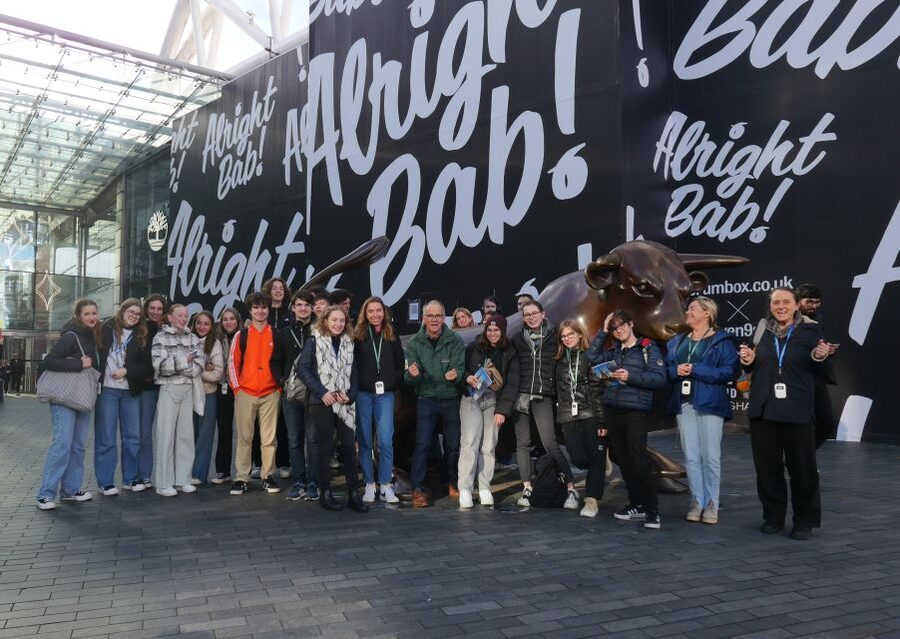
I like tours that help you orient fast, and this one does. You meet at the bronze Bull statue in the Bullring Shopping Centre, by the Nike Superstore. It’s a smart starting point because it anchors you in central Birmingham, then the walking gradually pulls you into the Digbeth & Deritend area.
The total walk is just over 4 km, paced for a comfortable 2-hour experience. You’ll move along pavements, footpaths, and towpaths, which means you’re not stuck only on main roads. Expect a mix of surfaces and a bit of uneven ground. It is exactly the kind of route that makes Digbeth feel less like a poster and more like a working part of the city.
Why this matters for your trip: if you’re new to Birmingham, Digbeth can look like it’s just street art and venues. The tour helps you see the structure underneath, the change from older market settlement roots to the area’s modern role in the city center.
More British streets at boot pace:
- Birmingham: Slogging Gangs Guided Walking Tour
★ 4.2 · 216 reviews - Birmingham: Guided City Center Walking Tour (10:30am & 2pm)
★ 4.8 · 186 reviews - Birmingham Slogging Gang Evening Walking Tour with Pub Stops
★ 4.7 · 31 reviews
Jonathan Berg’s guide style, and why it works for street art fans
A lot of walking tours point, you look, you move on. This one gives you a reason to look closer. The guide, Jonathan Berg, is an author and photographer who runs Positively Birmingham walking tours. He has a book focused on public art across Birmingham, with particular attention on street art in Digbeth.
You get a headset included, and that’s more important than it sounds. Street art stops often happen near noise, traffic, or groups gathering for photos. With the headset, you can hear the explanations cleanly, which makes the art feel less like random decoration and more like a set of messages, artists, and local references.
From the review vibe around this tour, people consistently talk about the guide being both fun and deeply engaged with the area. The practical takeaway for you is to treat this as an active listening walk, not a casual amble. If you pause for photos, you still want to catch the story behind the images.
Understanding Birmingham’s shift, from market hamlet roots to today
One of the strongest parts of this experience is the way it frames Digbeth inside Birmingham’s bigger timeline. You start near the city’s modern shopping heart, then you move down toward Digbeth & Deritend with the guide explaining how the city developed. The key theme you hear is how Birmingham grew from a market hamlet into the wider city system.
That doesn’t mean the tour turns into a textbook. It’s more like a set of city connections you can feel in your feet. As you walk, the guide links older urban patterns to what you see now, including the street art scene and the area’s creative energy.
There’s also real-time context that keeps it from feeling stuck in the past. The guide builds in the excitement around major changes happening in Birmingham, including HS2 and the Metro tram. For you as a visitor, that modern context helps you understand why areas like Digbeth keep changing, and why the murals and film buzz land the way they do.
Public art on the move, how to read murals like a local
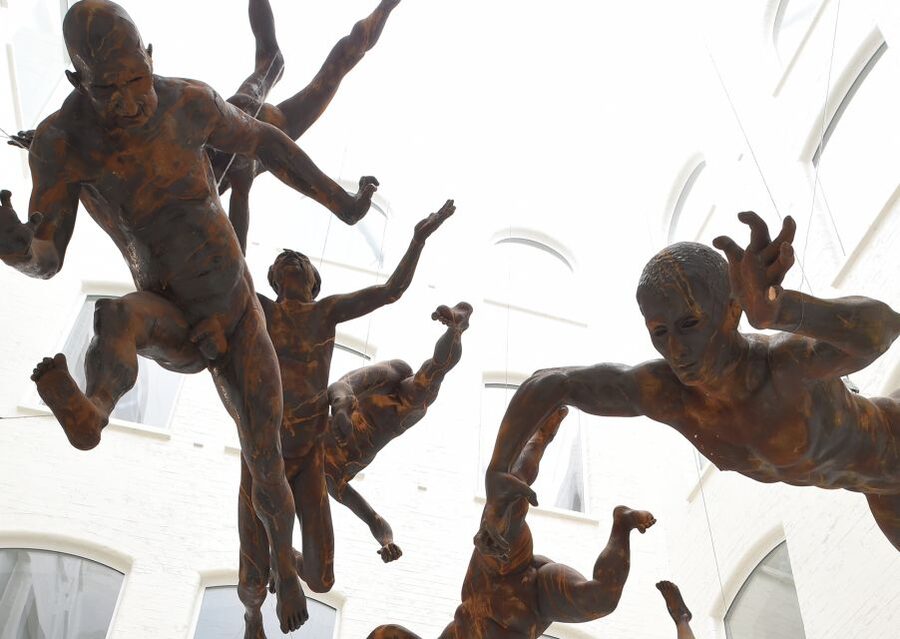
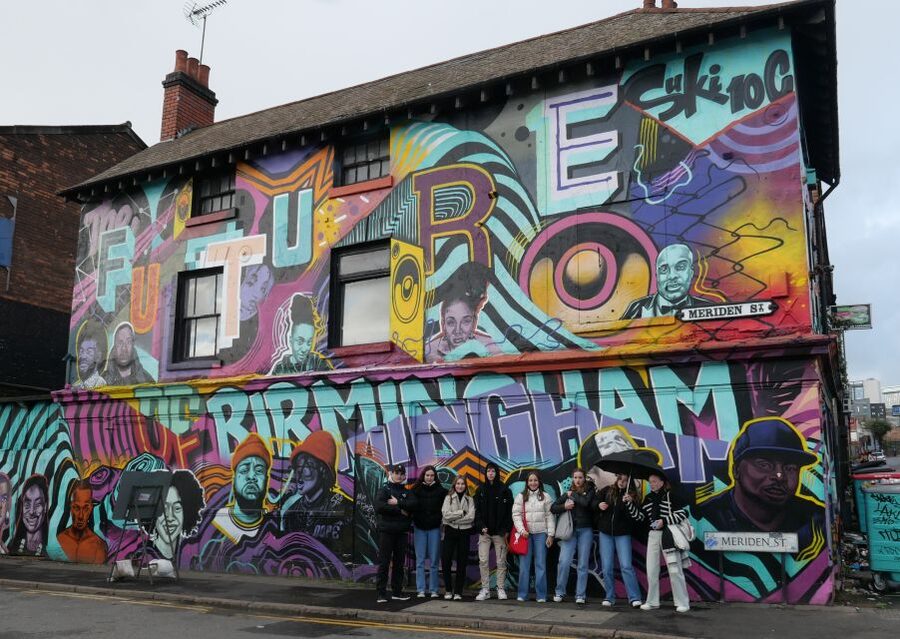
Digbeth’s reputation is tied to walls, but this tour helps you treat the walls like a map. You’re there for the public art of Birmingham, with an emphasis on the street art and artists that shape Digbeth’s look and identity.
Here’s what you’ll notice as the walk progresses. The public art is not just one style. You’ll see it as layered, with different pieces and visual languages sitting in the same corridor of streets. The guide’s job is to explain what those differences can signal, and how they connect to place.
For your photo planning, I’d approach stops with two modes. First, look up for compositions and edges of murals where the full scene makes sense. Then look sideways for smaller details that might connect to names, symbols, or themes the guide highlights. Even if you’re not a street art expert, the headset and the guide’s attention to context turns quick snapshots into better photos with meaning.
This is also where the tour starts building the Peaky Blinders storyline. You’ll get ideas about possible filming locations as you pass mural sites and street corners that feel cinematic.
Also inked in under Birmingham
- Birmingham: Cadbury World Entry Ticket★ 4.4 · 230 reviews
- From Birmingham: Cotswolds Full-Day Tour★ 4.7 · 215 reviews
- Birmingham: Winterbourne House and Garden Admission Ticket★ 4.7 · 199 reviews
- From Birmingham: Stonehenge & Bath Day Tour★ 4.6 · 158 reviews
Peaky Blinders film studios and the Digbeth LOC stop
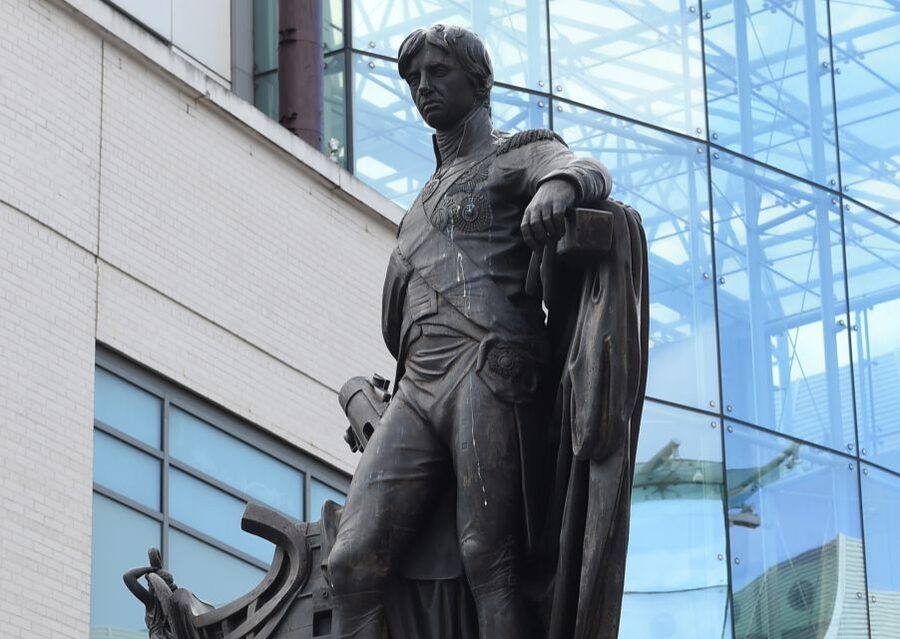
If you’re a Peaky Blinders fan, this part is the reason to book. The tour explicitly includes visiting the Peaky Blinders film studios, and it points you toward where the feature film connects to Digbeth.
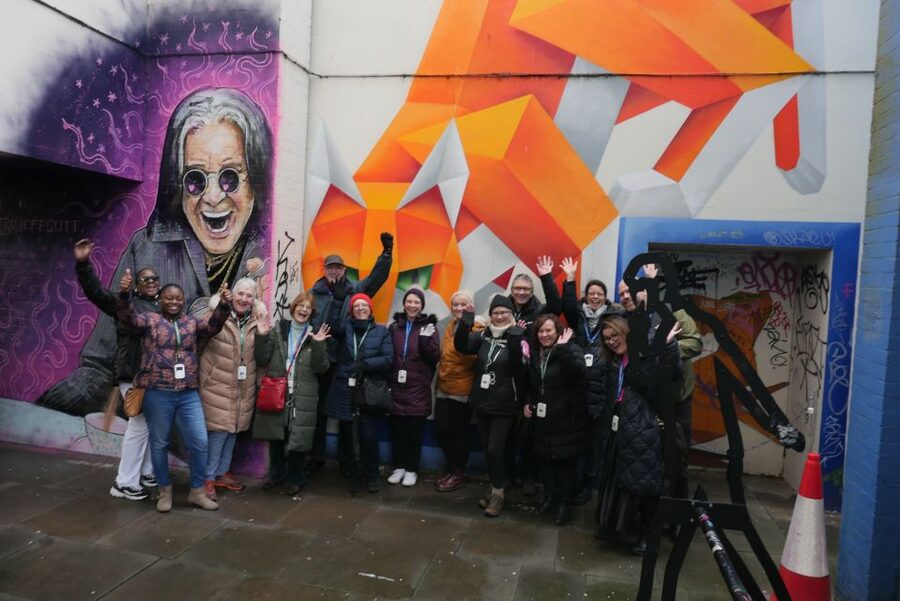
A big moment is the stop at Digbeth LOC studios. Production is underway at these studios, and there are amazing Peak murals around the area that make for easy selfie opportunities. You’re not just hearing about the show as a fan, you’re seeing how the visual branding and street art energy blend with real production locations.
How to get the most out of this section: treat it as a location scouting session. Take your time with the angles, especially where the surrounding streets frame the mural. The best shots are often the ones where you include some street geometry, not just the mural face.
Also, don’t rush past the explanations. The show atmosphere is part of it, but the tour’s stronger value is linking Peaky Blinders to Digbeth’s real urban texture. You’ll walk away understanding why film makers keep coming back to places like this.
Custard Factory and Red Brick Market, where the tour turns practical
After the murals and studio energy, the tour moves you into two well-known creative stops: the Custard Factory and Red Brick Market. This is the shift from viewing to experiencing.
The Custard Factory is where you can feel Digbeth’s creative identity in a more everyday way, not just as wall art. Even if you don’t go inside everything, the building presence and the area’s vibe give you a sense of how the district supports artists, makers, and events.
Red Brick Market adds variety, because it’s a market setting rather than a single-purpose venue. For you, this is often where the tour becomes a useful planning tool. You can decide what you’d like to do later on your own day in Birmingham, whether that means grabbing a bite or returning to browse.
The main advantage of including these two stops is balance. A tour that focuses only on filming locations can feel like you’re on a scavenger list. Adding Custard Factory and Red Brick Market gives you a moment to reset and connect the street art story to real spaces where people gather.
Walking route tips: wear, pace, and photo timing
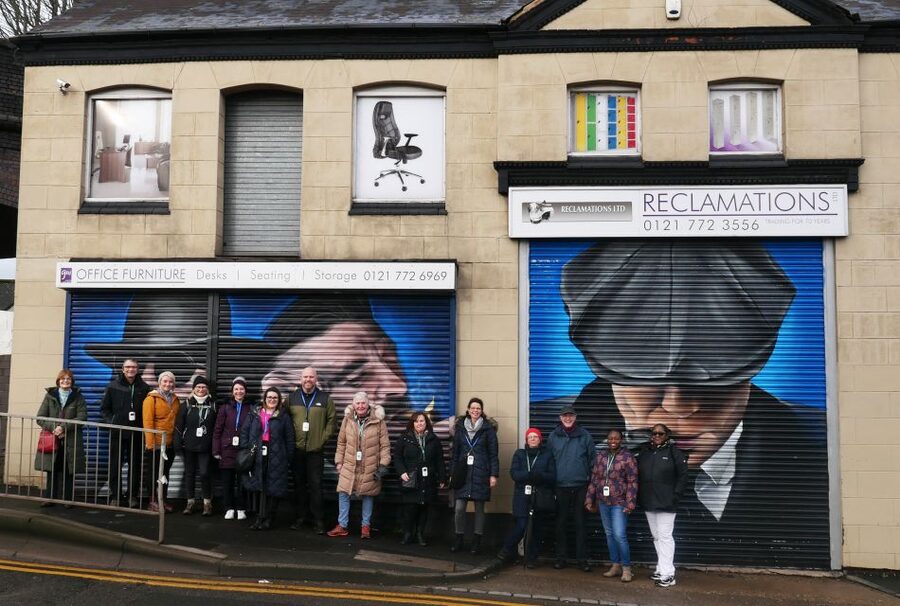
This is a 2-hour walk with a distance a little over 4 km. That’s totally doable for most visitors, but the surfaces matter. Since you’ll use pavements, footpaths, and towpaths, I recommend wearing comfortable walking shoes with grip.
Bring a light layer if the weather shifts. Towpath areas can feel cooler or breezier, and you don’t want to be adjusting clothing every time you stop for photos.
For timing, think in stop-and-look cycles. You’ll be moving, then pausing often. If you try to keep a fast touring pace, you’ll miss the guide’s explanations at key public art points. If you slow down for photos, keep one ear open for the story, because that’s where the tour turns from sights to understanding.
And if you use your own headphones, consider bringing a pair with a 3.5 mm jack. The tour includes headsets, but having your own can make it easier to stay comfortable.
Price and value: what $20 buys you in real experience
At about $20 per person for a 2-hour guided walk, the value comes from three things.
First, you’re paying for the guide’s ability to connect what you see to why it matters. Public art can be fun to photograph, but it gets better when someone frames the patterns, themes, and artists behind it.
Second, you get a curated route across multiple types of stops, not just a single location. You cover Digbeth’s public art focus, film-linked sites, and then real creative spaces like Custard Factory and Red Brick Market. That combination is hard to replicate well on your own without spending extra time figuring out what’s worth your attention.
Third, the headset is included. That sounds small, but it protects your experience. If you can’t hear the guide during street art and studio commentary, the quality drops fast. Here, it’s built in.
If you’re visiting Birmingham for a first or mid-length stay, I’d treat this as an efficient way to get beyond the obvious highlights and understand the city’s creative districts with a plan.
Who should book this Digbeth tour, and who should reconsider
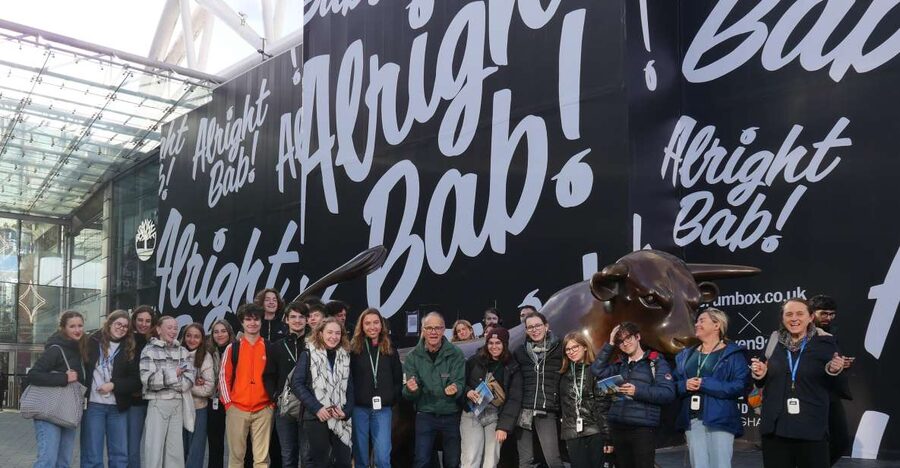
I’d book this if you’re one of these travelers.
You want an authentic neighborhood walk in Birmingham that’s focused on public art and the people and ideas behind it. You also want a Peaky Blinders connection that feels tied to real places, not just trivia.
It’s also a good pick if you like practical sightseeing: meet at a clear landmark, walk a manageable distance, see multiple curated areas, and end in locations where you can keep exploring on your own.
I’d reconsider if mobility is an issue. The tour is not suitable for mobility impairments, and the route includes towpaths and mixed walking surfaces. If you’re unsure, it’s worth matching this tour to your comfort with uneven ground and steady walking for 2 hours.
Should you book the Digbeth public art and Peaky film walk?
Yes, if you want a smart, focused Birmingham experience that blends street art storytelling with Peaky Blinders filming context. This tour has real structure: a clear start at the Bullring Bull, a route into Digbeth & Deritend, public art stops with a guide who connects themes to place, a studio-focused segment at Digbeth LOC, and then practical creative-city stops at Custard Factory and Red Brick Market.
One last decision tip: if you’re deciding between purely scenic wandering and a guided explanation-led walk, choose this. The included headset, Jonathan Berg’s public art lens, and the way the tour connects modern changes like HS2 and the Metro tram to what you see on the walls makes the two hours feel purposeful.
FAQ
Where does the tour meet?
Meet at the bronze Bull statue by the Nike Superstore in the Bullring Shopping Centre.
How long is the walking tour, and how far is it?
The tour lasts 2 hours and covers a route of just over 4 km.
What language is the guide?
The tour is conducted in English.
What is included with the tour?
You get a headset to help you hear the guide clearly. If you bring earphones with a 3.5 mm jack, you can use those; otherwise the tour supplies a pair.
Is the tour suitable for mobility impairments?
No, it is not suitable for people with mobility impairments.
Can I cancel or pay later?
Yes. You can cancel up to 24 hours in advance for a full refund, and you can reserve now and pay later.
Newest entries under Birmingham




Walking Tours, compared.
Magical London: Harry Potter Guided Walking Tour
Read our review →
University and City Walking Tour with Alumni Guide
Read our review →
Harry Potter Movies Walking Tour (Kids Go Free)
Read our review →
The Great British Rock and Roll Music Walking Tour
Read our review →
Harry Potter Walking Tour Including New College
Read our review →Browse the lists this tour appears in