
Reviewed · COTSWOLDS COUNTRYSIDE TRIPS
Classic Cotswolds: Online Road Trip Travel Guide
Cotswolds, on your own schedule. That’s the big appeal here, a self-drive road-trip guide that helps you stitch together a classic 183-mile (292 km) route across standout towns, villages, estates, and countryside stops. I like that the guidance is practical (where to go, what to see, where to park, how to get there) and that you can read it at home or use it on the go. One thing to consider: it’s not a true plug-and-play GPS tool, so if you expect easy map browsing or heavy navigation help, you may find it a little fiddly.
The “value for time” is strong because you get 12 months of access and a set of ready-made mini ideas built around the Cotswolds’ most iconic places. You can plan a quick sampler or stretch it out, using sections that group destinations by vibe, so you only hit what you actually care about. If you’re already familiar with the area and you like organizing your own stops, this fits nicely.
If you’re traveling from farther away, you might also want more hand-holding on transport options from places like London. The guide includes some tips, but it still leaves a lot of the real-world figuring-out to you, since you’re driving yourself and not joining an escorted group.
In This Review
- Key takeaways before you plan your Cotswolds drive
- Entering the Cotswolds your way, not a fixed tour
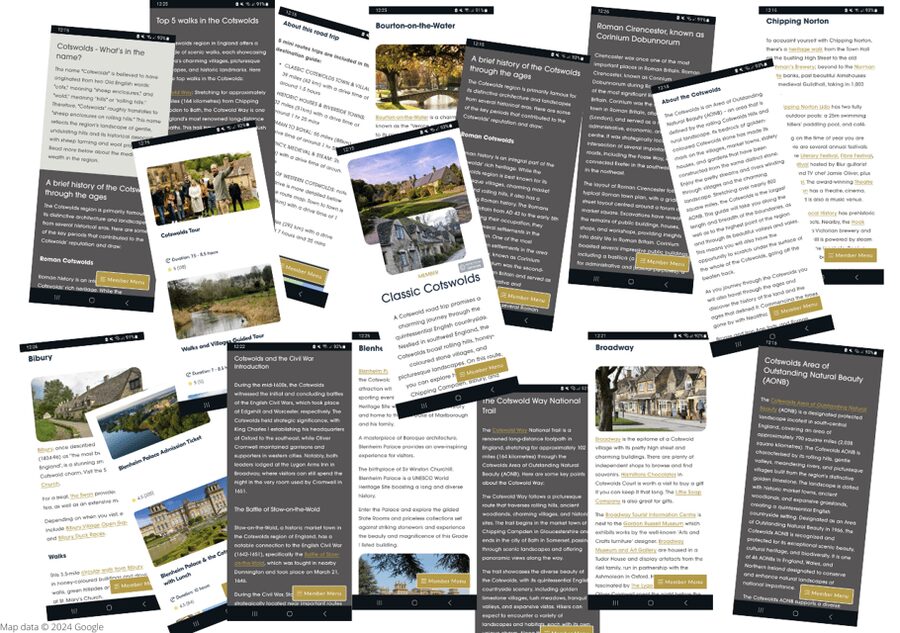
- The online guidebook experience, phone-friendly and flexible
- How the five themed sections help you plan faster
- Bourton-on-the-Water: the quick hit that feels like a postcard
- Bibury: why this village gets called beautiful
- Castle Combe: medieval calm with a cinematic feel
- Stow-on-the-Wold and the market-square vibe
- Moreton-in-Marsh: a practical base with a long-running Tuesday market
- Chipping Campden: golden stone and Arts and Crafts heritage
- Winchcombe: timber-framed charm with easy access to Sudeley Castle
- Country estates day trips: Blenheim, Highgrove, and Snowshill Manor
- Riverside towns like Fairford and Lechlade, plus a calmer vibe
- The Valleys: Stroud, Slad Valley, Berkeley, and scenic driving routes
- Walking ideas, from Cotswolds AONB to ancient sites
- Steam trains and Cheltenham for a different kind of break
- Getting there, parking, and the reality of a self-drive plan
- Price and value: $17 per group for 12 months is surprisingly decent
- Who this self-drive guide is best for
- Should you book a Classic Cotswolds online road trip guide?
- FAQ
- How long is the guide accessible after I book?
- Is this a guided tour where someone meets us?
- Do I need an app to use the guide?
- Can I customize the route directions inside the guide?
- How many destinations are included?
- Do I need my own transport?
- What device can I use to access the guide?
- Is the guide good if I don’t know the Cotswolds well yet?
Key takeaways before you plan your Cotswolds drive
- One guide, many trip lengths: You can mix ideas for typical 3 to 14 day timeframes.
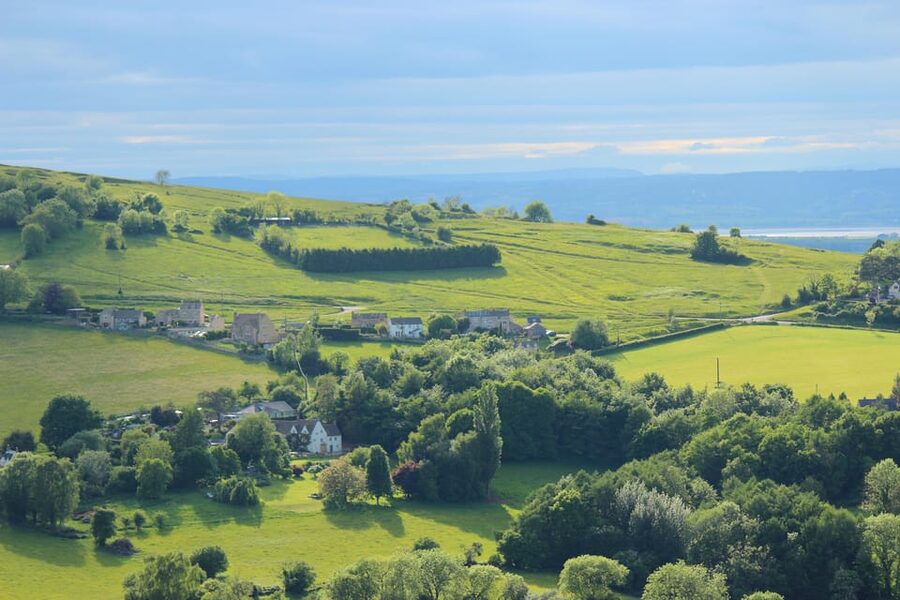
- 183 miles, about 20 destinations: Built for a point-to-point style route with plenty of choice.
- Themed planning sections: Towns and villages, country estates, riverside stops, and quieter finds.
- Pre-pinned Google Maps routes: Suggested pins and directions are provided, but you cannot fully customize routing.
- Built for phone and planning at home: No app to download, just an online guidebook you can browse.
- Works best if you enjoy self-guided travel: You choose start and finish, and you handle logistics.
Entering the Cotswolds your way, not a fixed tour
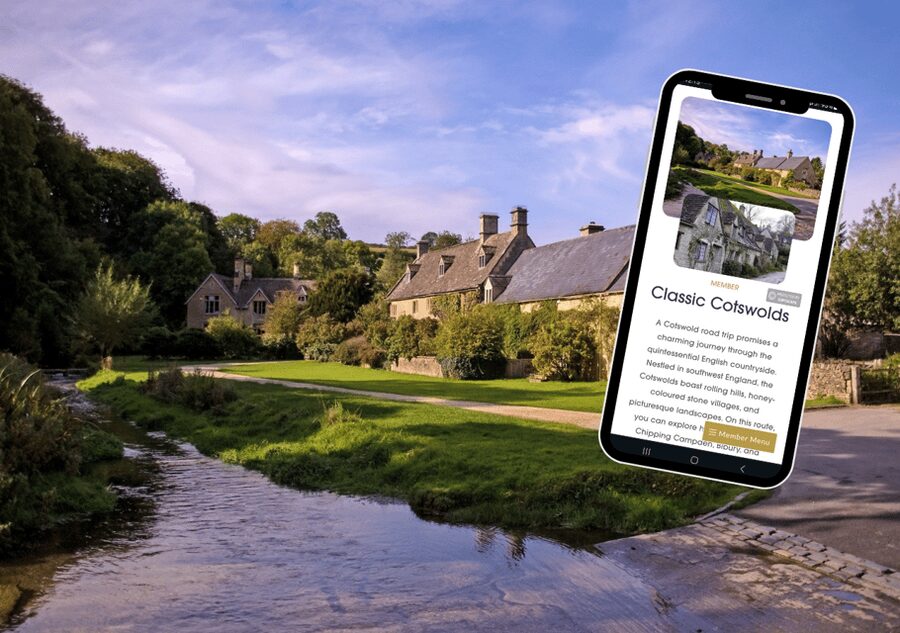
This experience is built around a simple idea: you want the Cotswolds without being chained to a group timetable. Instead of a driver and a schedule, you get an online guidebook that helps you string together stops into a road trip. The plan covers an overall 183-mile (292 km) journey with about 20 of the region’s most charming destinations.
That freedom matters in the Cotswolds, where the day can swing fast. You might start with a market-town wander, then decide you want one more village lane before lunch, or you want to swap an estate visit for a riverside stop. A traditional guided day tour can feel too tight for that kind of tweaking.
You’re also not locked into one single route. The guide is organized into five themed sections, so you can build your own holiday by picking the parts you care about most. If your top priority is villages, you can focus there. If you love big houses and gardens, you can lean into the estate section. If you want steam trains and Regency-era charm, you can shape your plan around that side of the region too.
More dry-stone lanes between wool towns:
- From London: Full-Day Cotswolds Small-Group Tour
★ 4.8 · 4,665 reviews - From London: Cotswolds and Oxford Guided Day-Trip
★ 4.7 · 3,720 reviews - From London: Oxford and Cotswolds Villages Day Trip
★ 4.6 · 1,659 reviews
The online guidebook experience, phone-friendly and flexible
This is an online “digital book” rather than an app. You don’t download anything. After booking, you receive a weblink to create your account and access the guidebook. It’s set up so you can read and browse on a smartphone, tablet, or desktop.
What I like about this format is that it supports two travel modes at once:
- Planning at home: You can compare destinations, skim ideas, and build a draft route.
- Using it on the go: You can reopen the guide while you’re driving or stepping into town.
You also get 12 months of access, valid for 364 days. That’s huge in practice. The Cotswolds are the kind of place where you always want to return, either because you ran out of time or because you got hooked and want to revisit in a different season. With a year of access, you don’t feel forced to “do everything” in one trip.
How the five themed sections help you plan faster
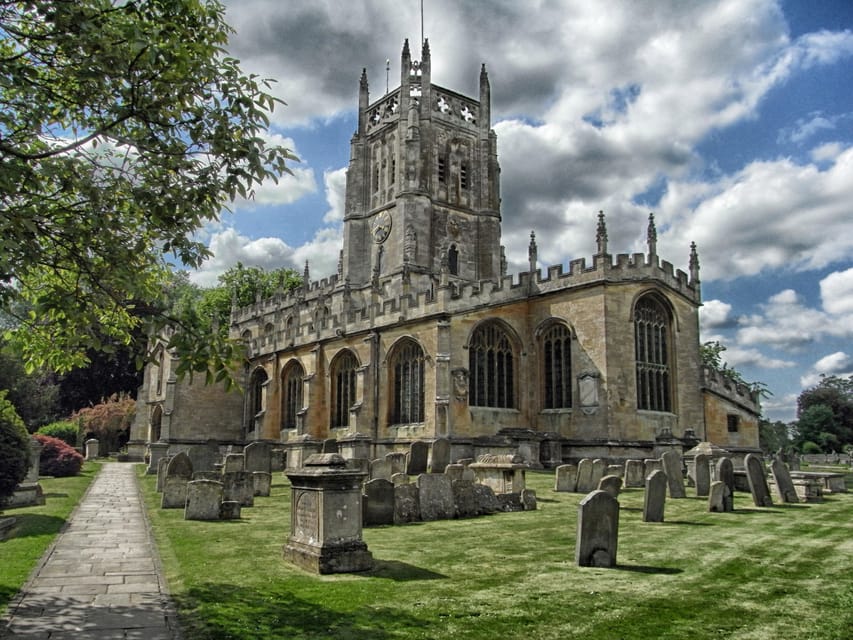
The guide groups the region into five themed planning blocks: classic towns and villages, country estates, riverside stops, and hidden-leaning finds (quieter, less obvious options), plus a broader mix that helps you build point-to-point days. The point is speed. You don’t have to build the whole trip from scratch.
Here’s how that structure plays out in real planning:
- Town and village focus: Great if you want the classic Cotswolds look, stone cottages, and market-square atmosphere.
- Country estates: Perfect if you like curated grounds, major historic houses, and big garden days.
- Riverside stops: Helpful if you want relaxed walks and a calmer pace away from crowds.
- Quieter finds: Good when you want fewer photo stops and more local-feeling wandering.
- Story and walking ideas: Lets you combine culture with outdoors time without hunting for ideas.
Even better, the guide is designed to be flexible with multi-day combinations. It’s not just a list of places. It helps you connect them in a way that suits your timeframe, typically from 3 to 14 days.
Bourton-on-the-Water: the quick hit that feels like a postcard
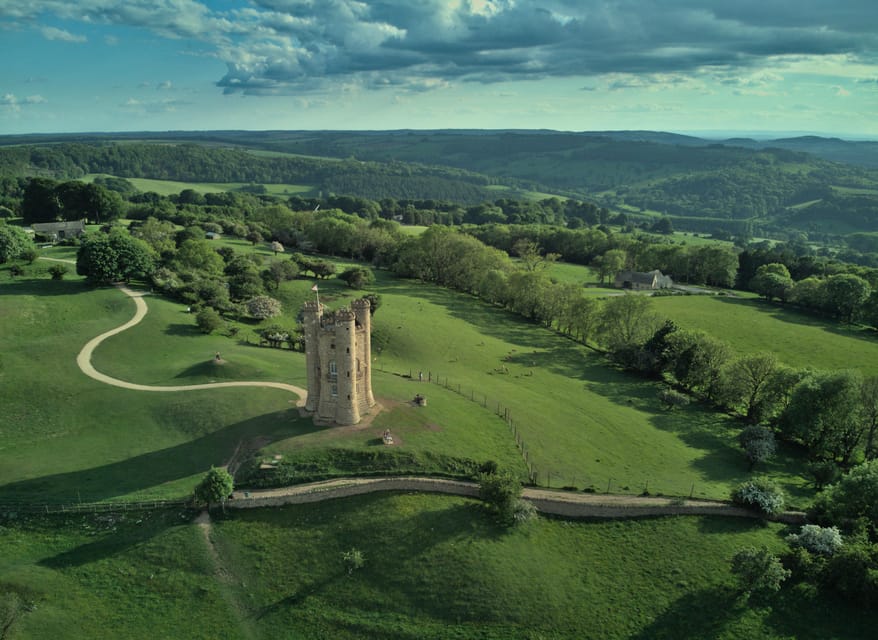
Bourton-on-the-Water earns its nickname because it really does look like a little model of England. Low bridges, pretty stone cottages, and an easygoing feel make it a great first stop. If you’re arriving and you want something immediately satisfying, this is a solid choice.
The best way to use Bourton-on-the-Water in your plan is strategically. Think of it as a “gear shift” stop. Do a short walk, enjoy the bridges and village scenes, then decide if you want to linger, or if you’d rather move on while the day is fresh.
One practical note: in a village like this, you can end up doing a lot of “look, take a photo, move on.” The guide’s job is to help you avoid that by suggesting what else to pair it with. You’ll get more out of it if you keep it as part of a longer road-trip rhythm rather than a standalone day.
Also inked in under the Cotswolds
- From London: Full-Day Cotswolds Tour with Tour Guide★ 4.2 · 360 reviews
- From London: Full-Day Guided Tour of the Cotswolds★ 4.4 · 312 reviews
- From London: Full-Day Cotswolds Tour with Tour Guide★ 4.2 · 62 reviews
- From London: Small-Group Full-Day Cotswolds Guided Tour★ 4.4 · 14 reviews
Bibury: why this village gets called beautiful
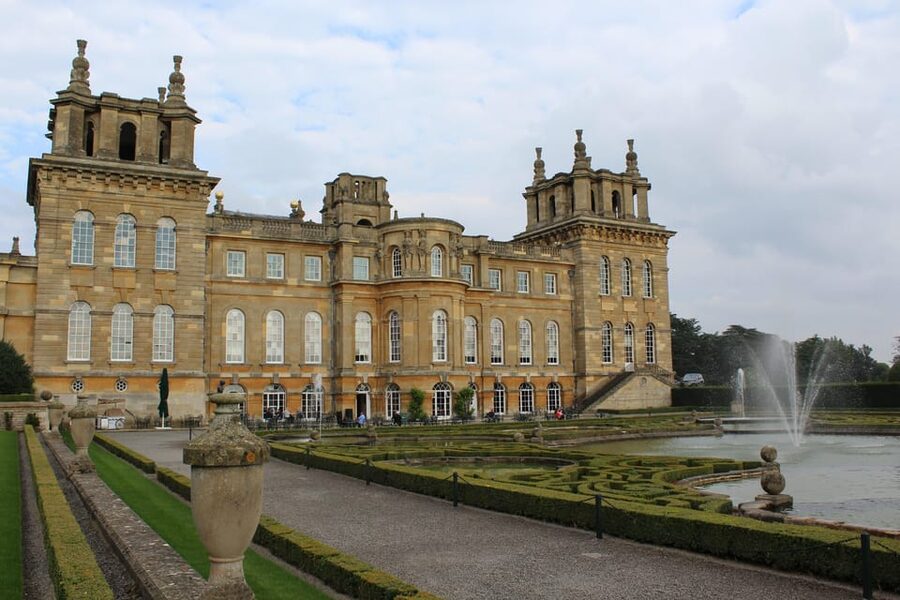
Bibury is famous enough that it’s easy to approach it like a checklist item. But the reason it remains a go-to is that it truly looks the part. It’s described as the most beautiful village in England, often attributed to William Morris.
For you, the value is less about “spotting famous buildings” and more about the atmosphere. Bibury is a place where you’ll want to slow down. If your plan is too packed, the village can start to feel rushed, because the appeal is in the details and the pace.
If you love walking through small lanes and pausing for views, Bibury fits. If you’re the type who prefers one big attraction instead of a gentle village stroll, you might pair it with a nearby estate or country house day so the rhythm feels balanced.
Castle Combe: medieval calm with a cinematic feel
Castle Combe is one of those postcard-perfect medieval villages that feels untouched by time. It’s also a place where you can easily spend too long because everything is photo-worthy.
The drawback of spots like this is simple: if you go with only a quick glance mindset, you’ll miss the charm that comes from wandering slowly. Use it like you would use a museum, not like you’d use a rest stop. Plan a half-day here, then pair it with a market town later in the day so you get both atmosphere and variety.
Stow-on-the-Wold and the market-square vibe
Stow-on-the-Wold works well when you want a classic market town feel with antiques and traditional inns. It’s also a place where the historic square and small streets encourage easy wandering.
This stop is useful in your itinerary because it anchors the “Cotswolds feel” with more everyday textures than some of the tiny villages. If you’re driving through and want somewhere that feels like it has real town energy, Stow is a good anchor point.
If you like browsing antiques but don’t want to commit to a full shopping day, you can make it a “window-shop plus coffee” kind of visit. That keeps your driving plan flexible while still giving you a satisfying local experience.
Moreton-in-Marsh: a practical base with a long-running Tuesday market
Moreton-in-Marsh is a historic market town with cosy inns and antique shops. It also has a long-running Tuesday market, which can be a big deal if your timing lines up.
If you’re planning around that day, this stop becomes more than a pretty town. Market days add bustle and variety, which is a nice contrast to the quieter village lanes.
If your trip doesn’t line up with Tuesday, don’t worry. It still makes sense as a town stop because it’s built for strolling and grabbing meals easily, and that helps you keep your itinerary realistic. The guide’s planning tips like where to park matter here too, since market-town parking can be the difference between enjoying your day and stressing about it.
Chipping Campden: golden stone and Arts and Crafts heritage
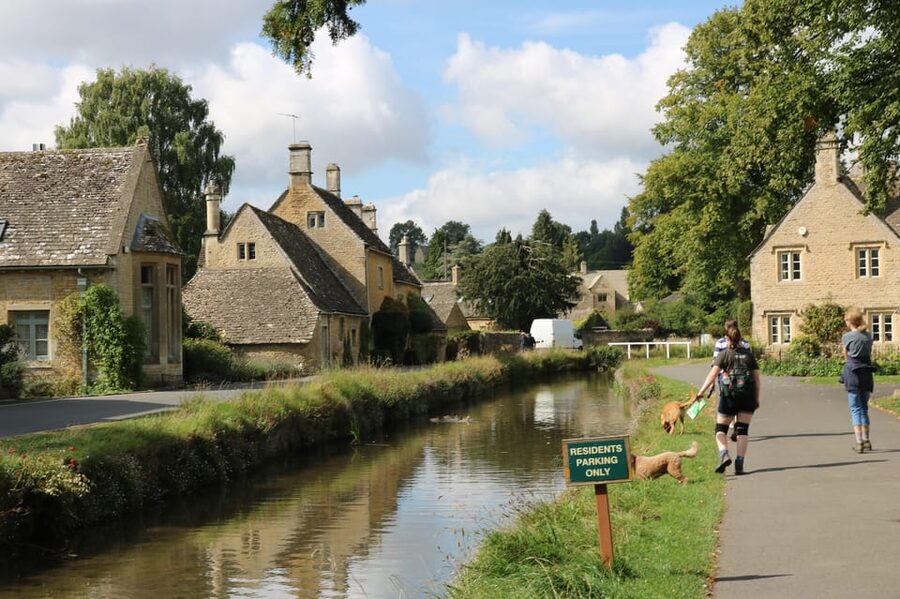
Chipping Campden is the kind of town you notice before you fully arrive because the golden stone look is so distinctive. It’s also linked with Arts and Crafts heritage, so it’s not only about pretty architecture.
For you, this is a great match if you want your road trip to mix scenery with a sense of place and design. Even if you don’t go deep into arts and crafts details, the town’s identity helps shape what you do there, like how you wander the streets and what you linger on.
A smart way to use Chipping Campden is to treat it as a “slow burn” day. Do enough walking to get the feel, then use the rest of your time for a break so you don’t end up driving tired.
Winchcombe: timber-framed charm with easy access to Sudeley Castle
Winchcombe is a charming Cotswold town with timber-framed houses and historic trails. It also gives you easy access to Sudeley Castle, which can be an excellent add-on if you want one major “anchor attraction” to structure your day.
In itinerary terms, Winchcombe helps you avoid the common problem of road trips where every stop feels small. Adding Sudeley Castle gives you a larger attraction moment, which balances village and market-town days.
Country estates day trips: Blenheim, Highgrove, and Snowshill Manor
If you’re the type who likes big grounds and famous houses, the guide’s country estates section is one of the strongest ways to fill a half-day or full day. It includes major names such as Blenheim Palace, Highgrove House, and Snowshill Manor.
What I like about putting estates into your plan is how they reset your pacing. Instead of hopping from village to village, you focus on one place, walk its grounds, and then take a breather. That’s especially useful if you’re doing a multi-day itinerary.
A practical consideration: estates can take longer than you expect, and the Cotswolds driving distances are scenic but still require time. So I suggest you pair estates with nearby towns rather than stretching your day across too many far-apart stops. The guide’s point-to-point style route can help keep you from overreaching.
Also, the guide includes ideas for where to park and how to get there. That matters because parking at popular estates can set the tone for your whole day.
Riverside towns like Fairford and Lechlade, plus a calmer vibe
Not every Cotswolds day has to be village lanes. The guide includes riverside towns like Fairford and Lechlade, and it also builds in riverside and scenic driving options.
For you, riverside stops are a good antidote to a packed itinerary. They tend to be easier to do “in layers” like a short walk now, a longer wander if you have time, and a relaxing meal without needing to cram in another must-see.
Fairford and Lechlade are especially helpful if you want variety in your road trip. After a series of stone villages and market squares, a riverside moment can feel like a reset button. You don’t just get different scenery, you also get a different walking pace.
The Valleys: Stroud, Slad Valley, Berkeley, and scenic driving routes
The guide doesn’t only focus on the classic postcard belt. It also includes the valleys side, with ideas that can include Stroud, Slad Valley, and Berkeley, plus scenic driving routes.
This matters because it lets your Cotswolds trip feel more complete. The region’s story isn’t just about one type of town. Valleys give you a sense of how the land changes and where people connect from one settlement to another.
Slad Valley in particular is a good pick if you like driving views and want the scenery to do some of the work for you. If you get tired of “stop, park, walk, photo, repeat,” these valley routes can bring back that road-trip fun.
Walking ideas, from Cotswolds AONB to ancient sites
If you like getting out of the car, the guide includes beautiful walks in the Cotswolds AONB. It also includes ancient-site ideas spanning from the Neolithic to the Iron Age.
That combination is useful. You can make a walk day do double duty: one part outdoors time, one part cultural context. And if you’re planning a trip that spans more than a few days, adding at least one AONB walk keeps your itinerary from feeling like it’s only about towns.
One caution: walking days tend to expand naturally. You might start with a short stroll and then keep going. Build your schedule with some breathing room so you’re not rushing to hit every single planned stop.
Steam trains and Cheltenham for a different kind of break
The guide also points you toward Victorian steam trains and Regency Cheltenham. This is a nice contrast if your trip is heavy on villages and estates. It adds a different flavor, more built around time periods and specific experiences rather than general scenery.
I like this kind of flexibility in a self-drive plan because it gives you something that feels like a special day. Steam trains and Cheltenham can be a strong “one day off the standard loop” choice.
Getting there, parking, and the reality of a self-drive plan
This is your trip, so you’ll need your own transport. The guide includes tips like how to get there and where to park, and that’s a real help, especially if you’re arriving from outside the UK.
Still, self-drive means you do the legwork. You might need to research routes, decide where to start and end, and plan parking around your exact days. That’s normal, but it’s worth stating upfront so expectations match reality.
Also, the guide provides pre-populated Google Maps with suggested pins and directions. That can help you get your bearings fast, but it does not provide live navigation or allow full customization of routing. In practice, that means you should use it as planning scaffolding, not as a turn-by-turn system.
Price and value: $17 per group for 12 months is surprisingly decent
At around $17 per group for up to 7 people, the cost is low enough that it’s hard to beat as a planning tool. If your group fills all 7 seats, that’s roughly $2 to $3 per person, which is a bargain for an organized route concept covering about 20 destinations.
More importantly, you’re not paying for a guided service. You’re paying for planning support you can use multiple times during the year-long access period. If you do a short 3 to 5 day trip this year, and then come back later, that extended access improves the value.
Just remember what it does not include. It doesn’t arrange accommodation or book activities for you. It also isn’t a custom route builder. You’re still creating the trip, and the guide gives you structure and ideas rather than doing it for you.
Who this self-drive guide is best for
This guide fits you if you like to drive, choose your own pacing, and you enjoy planning with a map and a shortlist. It also suits you if you want classic Cotswolds towns and you’re happy mixing villages with estates and riverside stops.
It’s especially good for:
- People who want flexibility with trip lengths, from a short sampler to a longer multi-day drive.
- Groups up to 7 who want one shared planning resource.
- Visitors who like having embedded links and suggested routes so they’re not guessing from scratch.
It may frustrate you if you want an experience that feels like live navigation, with easy search and a fully interactive map browsing flow. If you already know the area well, that friction may matter less, but if you’re hoping for hand-holding, it’s worth setting expectations accordingly.
Should you book a Classic Cotswolds online road trip guide?
I’d book it if you’re planning a self-drive Cotswolds trip and you want a map-based planning framework with 20 destination ideas, themed sections, and a point-to-point route concept. The year-long access is also a big plus, because you can return without paying twice or starting over from scratch.
I’d think twice if you want turn-by-turn guidance or if you rely heavily on quick map searching and interactive navigation inside the guide. In that case, you might spend more time working around the tool than enjoying the planning.
If you like the idea of picking your own stops, using the pre-pinned Google Maps to reduce decision fatigue, and building an itinerary around towns like Bourton-on-the-Water, Bibury, Castle Combe, and Chipping Campden, this is a solid planning companion for your Cotswolds drive.
FAQ
How long is the guide accessible after I book?
You get 12 months of access, listed as valid for 364 days.
Is this a guided tour where someone meets us?
No. It is self-guided, and there is no in-person meeting point.
Do I need an app to use the guide?
No app is required. The guide is accessed online through a link.
Can I customize the route directions inside the guide?
The guide includes suggested routes and pre-populated Google Maps with pins and directions, but it does not provide live navigation and you cannot customize routing.
How many destinations are included?
The guidebook covers ideas for 20 key destinations, organized within a scenic 183-mile (292 km) point-to-point plan.
Do I need my own transport?
Yes. You’ll need your own transport to visit the suggested destinations.
What device can I use to access the guide?
You can use a smartphone, tablet, or desktop.
Is the guide good if I don’t know the Cotswolds well yet?
It is designed to help you plan, but since it is self-guided and does not offer live navigation or fully flexible routing, it may feel easier if you already have at least some familiarity with the area.
Newest entries under the Cotswolds





Cotswolds Countryside Trips, compared.






Oxford, Stratford, Cotswolds, and Warwick Day Trip
Read our review →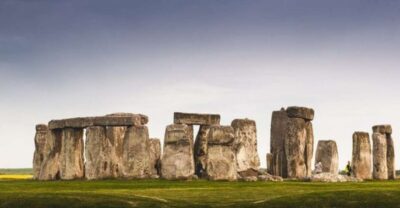
Browse the lists this tour appears in