Reviewed · LONDON TOURS & EXPERIENCES
Burnings, Butchery & Black Death: London’s Bloody Past
London’s Smithfield remembers everything. This 2-hour walking tour stitches together grim chapters of medieval life in the exact streets tied to slaughter and the Black Death, with story beats that mix kings, body snatchers, and Charles Dickens. I love how tightly it stays on a single, easy-to-walk corridor around Smithfield, and I also like the small group size, capped at 15, so the guide can actually respond as questions come up. One drawback to know up front: the subject matter is graphic, so it’s not for kids under 13, and it may feel heavy if you dislike execution and plague details.
What makes it work so well is the way the guide turns landmarks into a narrative. The route is only about two miles from Barbican to near Farringdon, and the pacing feels manageable even when the stories get dark. I especially appreciate the guide delivery highlighted in past tours, like Tom, who blends historical facts, myths, and humor while keeping timing crisp, and who also handled visitors with elderly parents in a calm, attentive way.
My one consideration is practical and simple: it’s a walking tour that includes church stops only if there are no services happening, so you may spend part of the time outside. If the idea of standing and walking through centuries of grim history isn’t your thing, this is still good value, but you’ll want to mentally prepare for the tone.
In This Review
- Key highlights worth planning for
- Starting at Barbican: where the tour vibe turns immediate
- Charterhouse Square to Smithfield Market: stepping into the slaughter district
- St John’s Gate and Cloth Fair: a corridor of grim detours
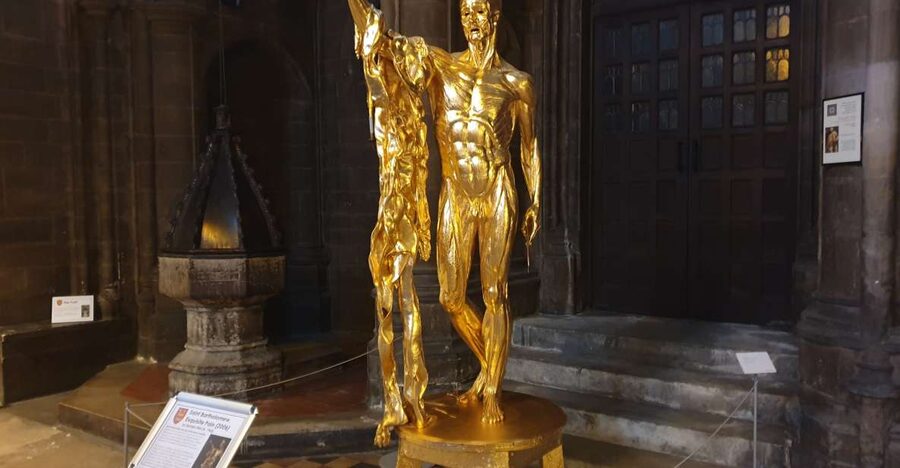
- St Bartholomew the Great: where church space meets execution stories
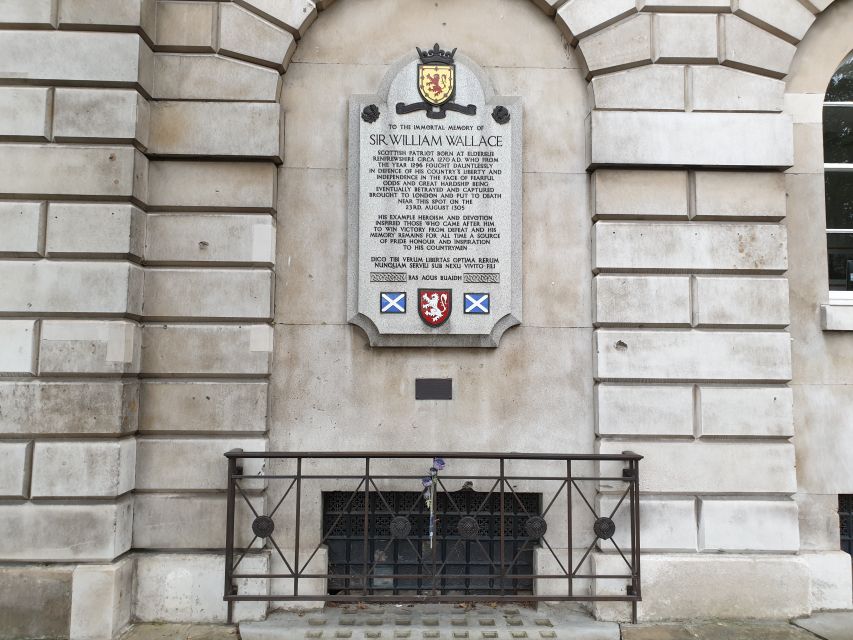
- The Sir William Wallace Memorial: Braveheart, corrected by reality
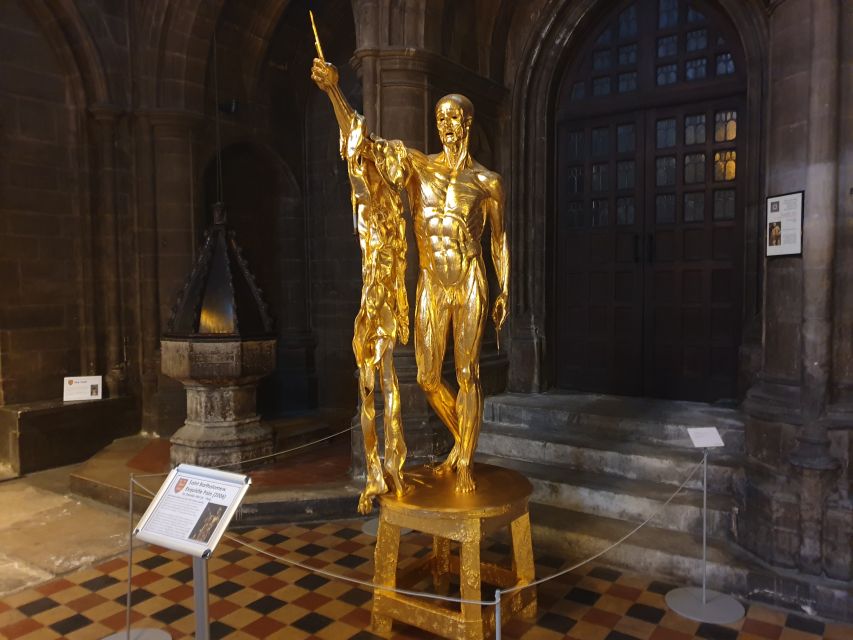
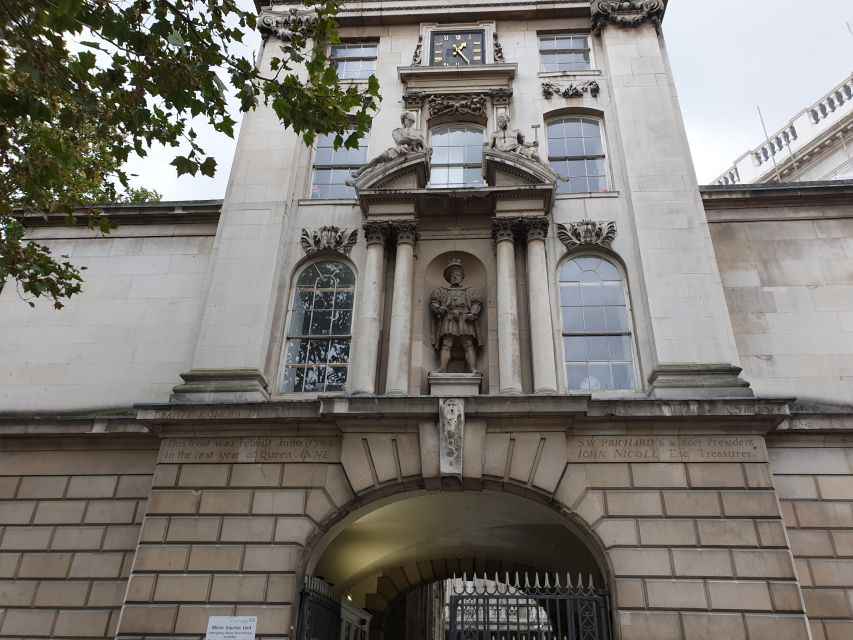
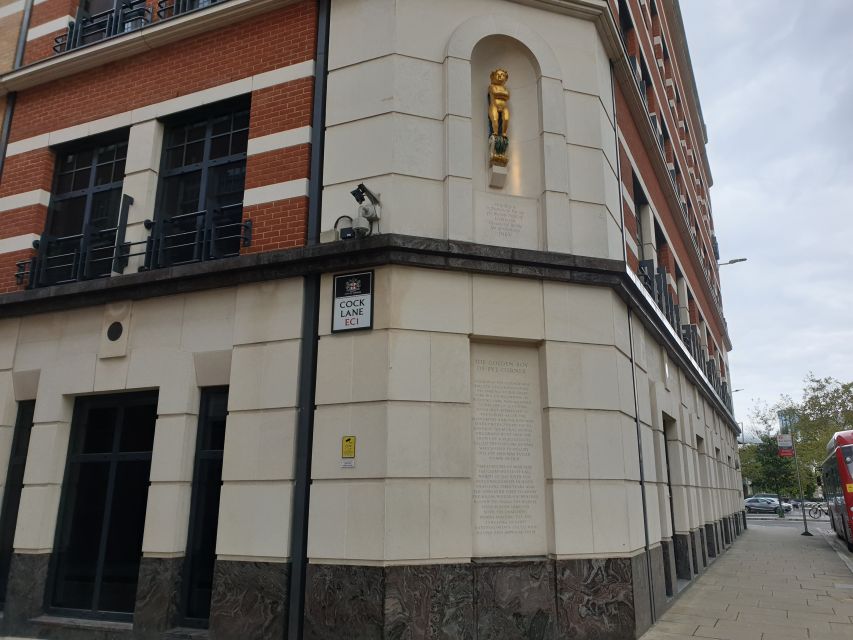
- St Bartholomew’s Hospital and the Golden Boy of Pye Corner: mercy and moral symbolism
- London Central Markets and the Smithfield loop: why the present keeps colliding with the past
- Ely Place finish: how Dickens reframed Smithfield in your mind
- Price and value: $26 for a focused two-mile story
- Who this tour suits best, and who should skip
- Practical tips for your day
- Should you book Burnings, Butchery & Black Death: London’s Bloody Past?
- FAQ
- Where does the tour start?
- Where does the tour end?
- How long is the walking tour?
- How far will I walk?
- What is the price?
- How many people are on the tour?
- Is the tour in English?
- Are church stops included?
- Is the tour suitable for children?
- What is the cancellation policy?
Key highlights worth planning for
- Smithfield, animal and human slaughter ground for centuries, not just a name on a map
- Black Death disposal stories tied to where bodies were dealt with in the 1300s
- Medieval execution methods explained in a guided, street-level way
- William Wallace and the Smithfield execution setting, with a reality check on the drama
- Dickens and Oliver Twist links to how the area slid into slum life
Starting at Barbican: where the tour vibe turns immediate
The tour begins just outside Barbican Station on Aldersgate Street. You’ll meet at the exit, and your guide will be standing with a Historic London Tours sign. From the first minutes, the tone is set for a story-first walk, not a lecture where you tune out after ten minutes.
Because it’s about two miles total over roughly two hours, it’s the kind of outing you can fit into a normal London day. You’ll be on your feet for most of that time, with short guided stops at each location. And since ticket sales are limited to 15 attendees, you usually don’t feel like you’re part of a human stampede.
Also inked in under London
- London: The London Eye Entry Ticket
★ 4.6 · 35,875 reviews - From London: Harry Potter Warner Bros Studio Tour
★ 4.7 · 26,588 reviews - London: Westminster to Greenwich River Thames Cruise
★ 4.5 · 22,836 reviews
Charterhouse Square to Smithfield Market: stepping into the slaughter district
The walk kicks off with a brief stop at Charterhouse Square. Even though the time there is short, it matters because it places you in the broader neighborhood context before you hit the heavier sites. This is a tour that keeps dragging you back to the same core theme, Smithfield, so you start building the map in your head early.
Then you move to Smithfield Market. This is the big one. Here you hear how Smithfield operated for centuries as a place for both animal and human slaughter, which helps you understand why the area later became so associated with death and punishment. It also makes the Black Death chapter feel less like a random historical topic and more like a consequence of what the place was already used for.
One practical note: Smithfield is still very much part of the modern city fabric, including London Central Markets (another stop later). That contrast is useful. It’s easier to grasp how history can pile up in one spot while the street life keeps going around it.
St John’s Gate and Cloth Fair: a corridor of grim detours
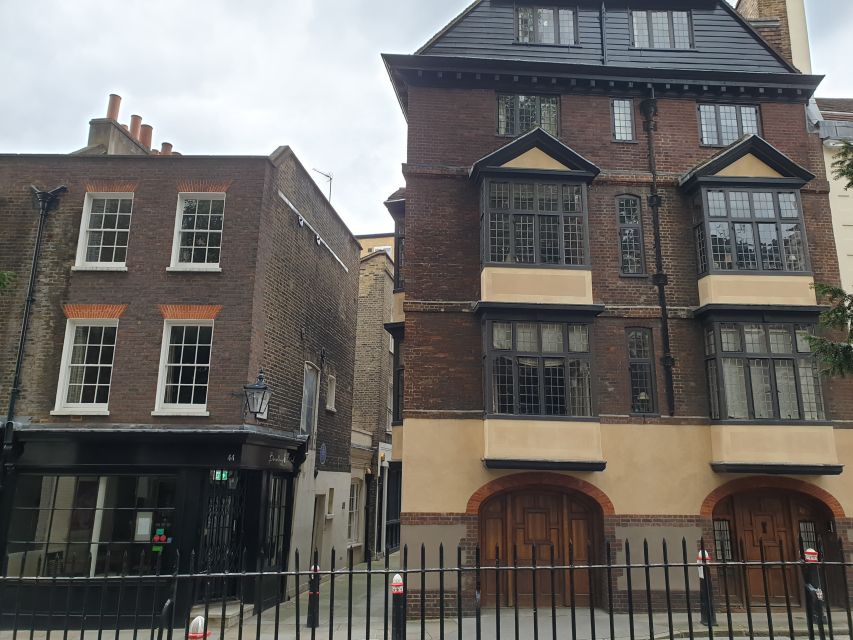
Next comes St John’s Gate. It’s one of those London points that can look ordinary if you pass it quickly, but on a themed route like this, it becomes a gateway into older city life. The guide uses the surrounding area to set up the way people lived, feared illness, and managed bodies in an era with no modern sanitation.
After that, you’ll reach Cloth Fair. This stop is important because it connects place to storytelling about the area’s darker evolution. The tour’s thread is clear: you’re not just hearing about 1300s London, you’re also learning how the neighborhood became known for slum life, a shift later remembered through literature.
Cloth Fair is where the tour leans into how the city changes over time, even when the memory of earlier uses sticks around. That’s a big reason I like this style of walking tour: it makes you look at streets as layered, not static.
St Bartholomew the Great: where church space meets execution stories
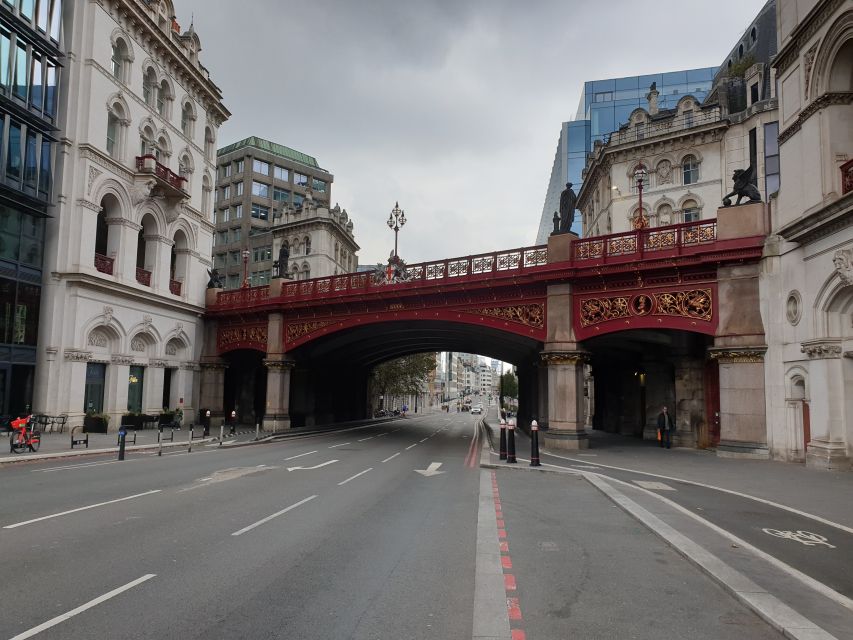
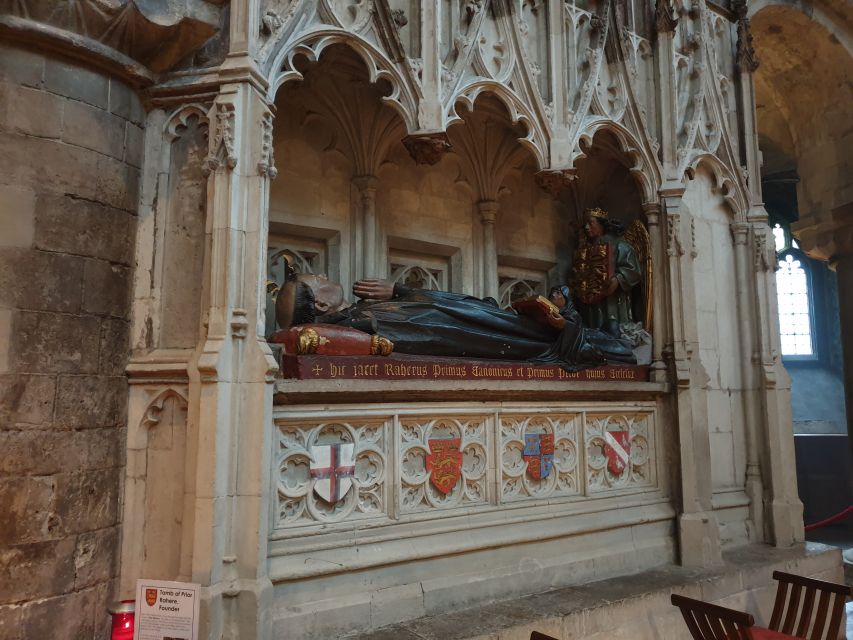
St Bartholomew the Great is next, and it’s one of the stops that makes the tour feel grounded. The included church entry depends on services not being underway, so the guide’s plan may adjust, but the intention is always the same: use the church setting to frame the era when punishment and religion sat close together in public life.
This is where you’ll hear about the execution methods used in the Middle Ages. The value here isn’t morbid curiosity for its own sake. It’s context. When you understand what punishments looked like and how public they were, you can understand why certain spaces in London became long-term symbols of power, fear, and control.
If you’re squeamish, you’ll still get through the tour, but I’d treat this section as the point where the tone is at its darkest. Wear your tolerance like you’d wear your walking shoes.
A page further on, still in London:
- Magical London: Harry Potter Guided Walking Tour★ 4.7 · 22,044 reviews
- London: Madame Tussauds London★ 4.6 · 20,915 reviews
- London: Warner Bros. Studio Harry Potter Tour & Branded Bus★ 4.7 · 19,194 reviews
- London: Tower Bridge Entry Ticket★ 4.7 · 15,560 reviews
The Sir William Wallace Memorial: Braveheart, corrected by reality
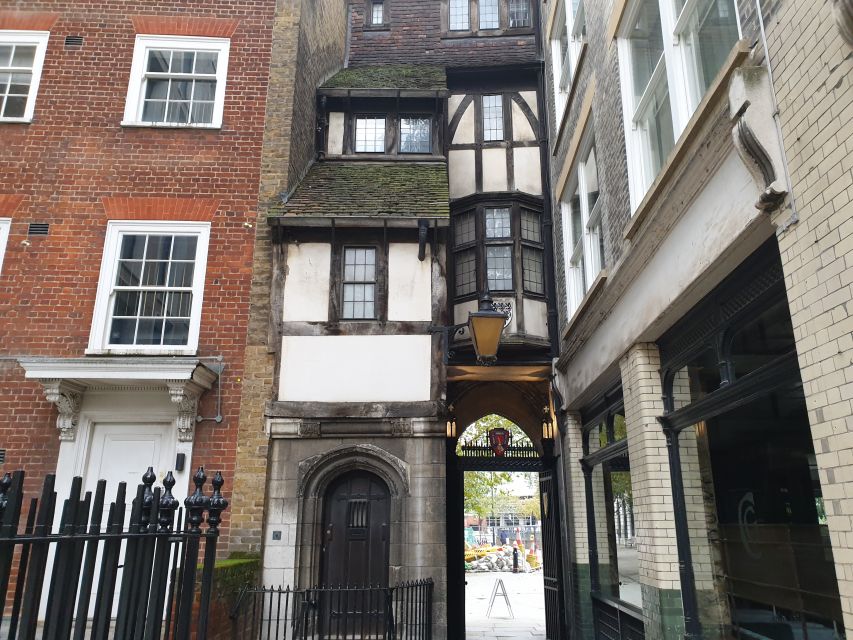
You’ll then stop at the Sir William Wallace Memorial. This part is fun in a specific way. Yes, William Wallace is connected to the popular Braveheart image, but the tour also brings you back to the reality of the execution setting and the mismatch between Hollywood drama and what someone could realistically do on the day.
The guide uses that contrast to keep the story from becoming one-note. You get both the legend and the human limitations, and it lands as a reminder that history is stranger, but also harsher, than the film version.
And because Wallace is tied to the broader theme of punishment in the same Smithfield neighborhood, it doesn’t feel like a random detour. It’s another piece in the same puzzle: why this place is so associated with public death and spectacle.
St Bartholomew’s Hospital and the Golden Boy of Pye Corner: mercy and moral symbolism
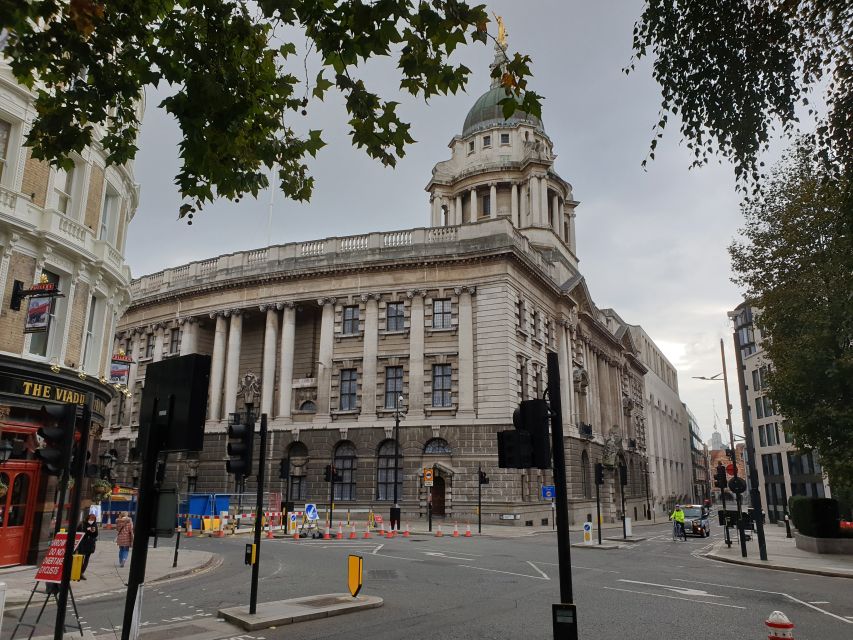
After Wallace, the route continues to St Bartholomew’s Hospital. The tour uses this stop to broaden the emotional frame. You’re no longer only in a street of slaughter and execution. Instead, you see how a major institution in the area fits into the long story of how people tried to cope with suffering.
Then you’ll reach the Golden Boy of Pye Corner. This is one of those details that’s easy to miss on your own, but guided tours can make it click. The guide uses the spot to connect local memory and moral meaning to the city’s history of death, fear, and disease management.
What I like about including these stops is that it prevents the tour from becoming an unbroken line of grim scenes. Even when the subject stays serious, you’re not trapped in only one emotional lane.
London Central Markets and the Smithfield loop: why the present keeps colliding with the past
You’ll visit London Central Markets, which is described alongside Smithfield Market. This is a clever move for a walking route, because it gives you a chance to see the same neighborhood in different moments and through different uses. The tour’s story helps you notice what might be invisible if you’re only watching for architectural beauty.
From a value standpoint, this section matters too. You’re paying for a guide to turn ordinary urban space into something memorable. By bringing you back to the Smithfield market area theme, you get more meaning per step rather than just ticking off another landmark.
Ely Place finish: how Dickens reframed Smithfield in your mind
The tour ends at Ely Place. The final stretch also loops you back into the literature angle, because the tour explains how Smithfield became notorious slum territory, memorialised through Charles Dickens in Oliver Twist. This is a key payoff for anyone who likes history that shows up in culture.
If you read Dickens, the connection becomes satisfying fast. Even if you don’t, it’s still helpful. It shows how a place’s reputation can outlive its original function, especially when writers catch the city at the moment it’s changing.
As you finish, you’ll likely notice you’re looking at the streets differently. You’ll see not just buildings and road names, but the way a city assigns meaning to specific spots.
Price and value: $26 for a focused two-mile story
At about $26 per person for a two-hour guided walk, this tour is priced in the range where you can justify it as a “one afternoon, one theme, done well” experience. The value comes from three things you can actually feel while you’re there.
First, the small group size, 15 people max, helps the guide keep the tone lively and question-friendly. Second, you cover around two miles, so you get real movement without turning the experience into a long hike. Third, the tour includes guiding plus entry to churches when services are not in progress, so you’re not paying just for narration.
If you only want glossy highlights, this won’t be your pick. If you want a specific slice of London that explains why certain streets earned their reputation, $26 is a reasonable trade.
Who this tour suits best, and who should skip
This is a great fit if you like London stories that are grounded in actual locations, especially if you enjoy the way myths and real events overlap. It’s also a strong choice if you want a coherent theme, because the route keeps returning to Smithfield and the city’s darkest chapters rather than scattering into random stops.
It’s not suitable for children under 13. The topic includes plague disposal in the 1300s and medieval execution methods, and the tour leans into the gruesome side of history rather than softening it.
Also, if you want a tour that avoids heavy themes and stays purely in the agreeable sightseeing zone, you’ll have a better time elsewhere.
Practical tips for your day
This walk is about two miles in total, over around two hours. Bring shoes you’d trust for city sidewalks, and plan for standing during guided stops.
Church entries are included but only if there are no services in progress, so you might occasionally get more exterior viewing than interior time. If you want churches as a big part of the day, it’s smart to keep that flexibility in mind.
And since the guide covers execution and plague topics, I’d go in with curiosity, not surprise, and let the story do the work.
Should you book Burnings, Butchery & Black Death: London’s Bloody Past?
I’d book it if you want a compact, location-focused way to understand London’s Smithfield connection to slaughter, punishment, and the Black Death era, with cultural payoffs like Dickens and Oliver Twist. It’s also a solid choice if you enjoy guides who mix humor with facts, like Tom is described as doing in past tours, while staying attentive to the group.
Skip it if you dislike graphic historical topics or if you’re looking for kid-friendly sightseeing. For the right mindset, this is one of those tours that gives you street-level context you can carry around long after you’ve left the area.
FAQ
Where does the tour start?
The tour meets just outside Barbican Station, on Aldersgate Street.
Where does the tour end?
It finishes near Farringdon Station at Ely Place.
How long is the walking tour?
It lasts about 2 hours.
How far will I walk?
The total distance is about 2 miles.
What is the price?
The price is $26 per person.
How many people are on the tour?
Ticket sales are limited to fifteen attendees.
Is the tour in English?
Yes, the live tour guide provides the tour in English.
Are church stops included?
Entry to churches is included, as long as there are no services in progress.
Is the tour suitable for children?
No, it is not suitable for children under 13.
What is the cancellation policy?
Free cancellation is offered up to 24 hours in advance for a full refund.
Newest entries under London






London Tours & Experiences, compared.

Westminster to Greenwich River Thames Cruise
Read our review →
Magical London: Harry Potter Guided Walking Tour
Read our review →
Warner Bros. Studio Harry Potter Tour & Branded Bus
Read our review →