
Reviewed · HISTORICAL TOURS
Brighton: Piers & Queers LGBTQ History Tour
Queer history in Brighton feels real fast. This guided walk links the seafront, the old Lanes, and the Kemptown district with LGBTQ stories you can actually place on a map. You also get a Blue Badge guide who brings the timeline to life, from Regency times to activism and beyond.
I love the way the tour mixes big-name figures with unsung people. You hear about Anne Lister, Lord Byron, Oscar Wilde, and Dusty Springfield, then you pivot to a pioneering doctor who lived as a man long before women were allowed to practice medicine, plus an Edwardian drag king and a same-sex marriage in 1923.
One possible drawback is that this is a lot of history in just 1.5 hours. If you prefer slow, relaxed sightseeing with lots of free time, you might find the pace a bit packed, but it is still a great way to get your bearings.
In This Review
- Key highlights you should care about
- Entering the story at Regency Square, then walking it into focus
- Seafront grandeur and the clues people left behind
- Through the Lanes, where names like Wilde and Lister make sense
- From 1950s life to political activism, the timeline keeps moving
- Kemptown finish: the place-name becomes a lived story
- The people: famous and forgotten, connected to real streets
- Ric’s guide style: conversational, easy to listen to, built for questions
- Price and value: why $52 for 90 minutes can be a smart buy
- Who should book this tour, and who might want something else
- Practical tips so you enjoy the full 1.5 hours
- Should you book Brighton: Piers & Queers LGBTQ History Tour
- FAQ
- How long is the Brighton: Piers & Queers LGBTQ History Tour?
- Where do I meet for the tour?
- What is the group size for this tour?
- Is there a live guide, and what language is it in?
- Is the tour wheelchair accessible?
- What does the tour cover in terms of time periods and people?
- Can I cancel or pay later?
Key highlights you should care about
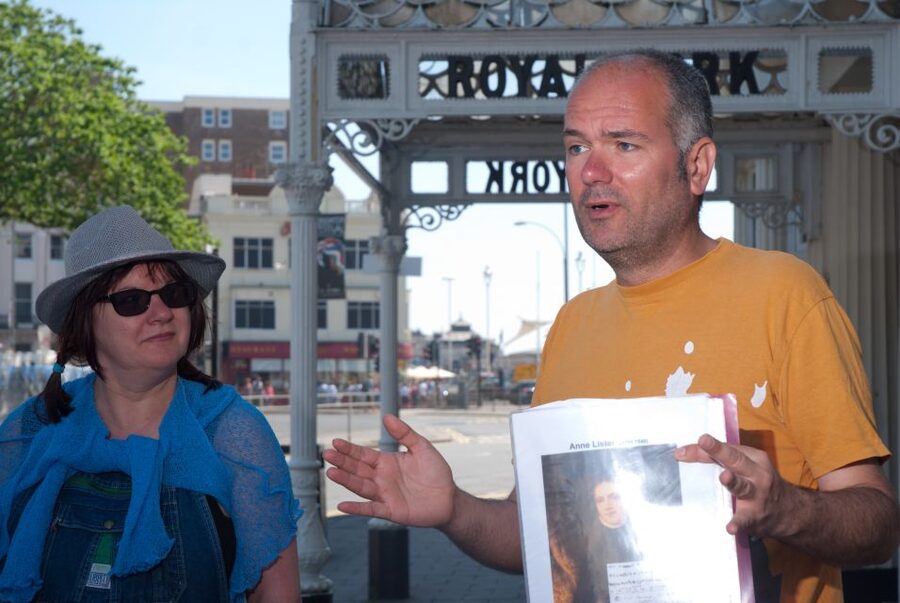
- Blue Badge live guide for a guided, accurate walk through the city
- Over 200 years covered in 90 minutes, from Regency life to 1950s culture and political activism
- Famous names plus lesser-known pioneers, including Anne Lister and a doctor who lived as a man
- Seafront to Lanes to Kemptown route, so you see multiple Brighton identities in one loop
- Small group size (maximum 12), which makes questions easier and the vibe more conversational
- End-of-tour book option mentioned by guests, handy if you want more walking routes afterward
Entering the story at Regency Square, then walking it into focus
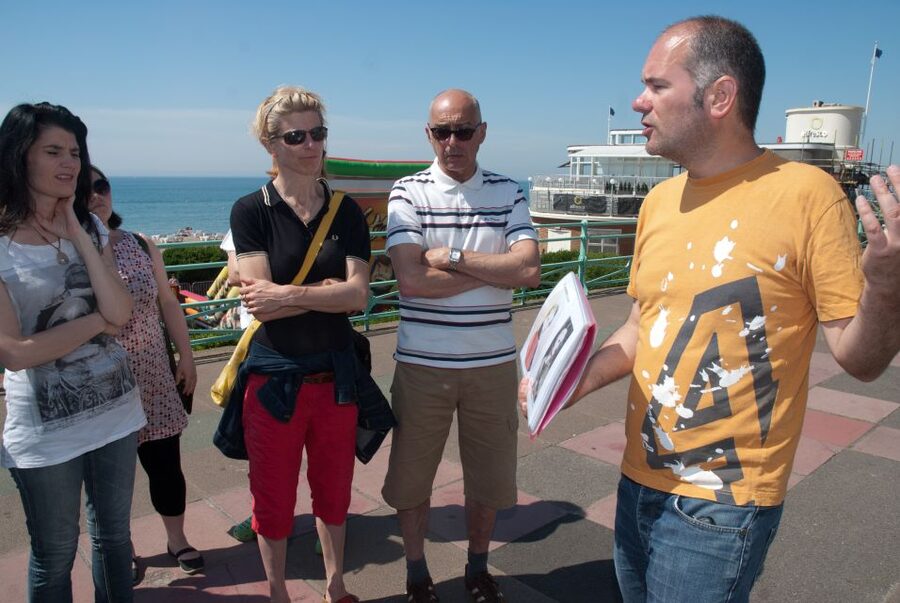
I like the setup here because it gives you immediate context. You meet at the statue by Regency Square, Brighton BN1 2FZ, which is a central starting point for connecting the grand seafront mood with the older streets that follow.
From there, the tour does what good city walks do best: it gives you a sequence. You move from the seafront area through the quaint Lanes, then finish in the gay district of Kemptown. That simple geography matters, because LGBTQ life in Brighton was never just one neighborhood and one era.
Also, the group size is capped at a maximum of 12, so you are not stuck listening while people shuffle past in a crowd. I find that semi-private feel helps you stay connected to the stories instead of tuning out.
More centuries walked in an afternoon:
- London: Historic Pubs of Central London Walking Tour
★ 4.9 · 1,065 reviews - Portsmouth: Historic Dockyard Ultimate Explorer Ticket
★ 4.8 · 1,052 reviews - York: Witches and History Old Town Walking Tour
★ 4.7 · 928 reviews
Seafront grandeur and the clues people left behind
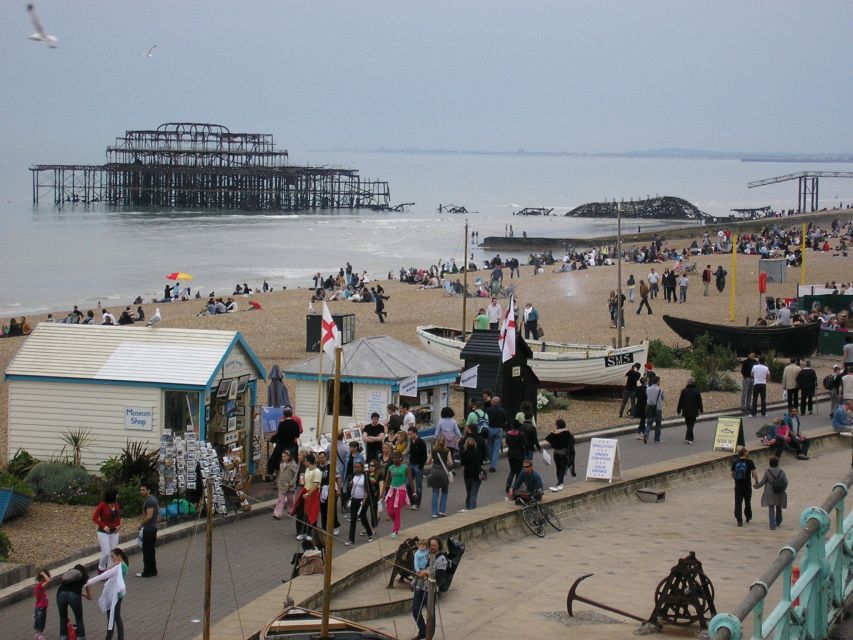
Brighton is known as the gay capital of Britain, and this tour explains why in human terms, not just slogans. Starting along the seafront, you get the contrast right away: public space, glamour, crowds, and performance, then the quieter details tucked into everyday life.
This first stretch sets up the time jumps. You begin with Regency-era themes, including Regency dandies, and you learn how style, social networks, and public visibility shaped identity in that period. It is not just facts, it is the logic of how people navigated their world.
Practical note: since you are walking parts of the seafront, dress for cool wind and bring layers. Even in good weather, that coastal breeze can turn 90 minutes into a wind workout if you are unprepared.
Through the Lanes, where names like Wilde and Lister make sense
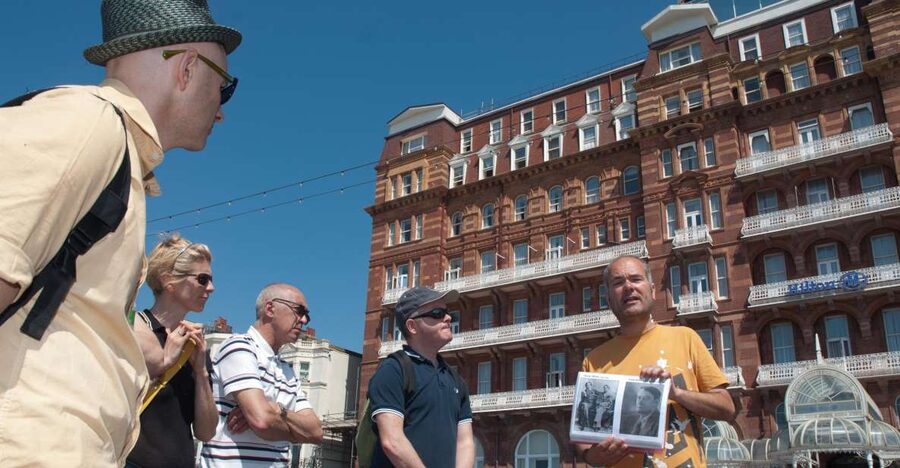
The Lanes are where the stories feel grounded. They are atmospheric streets, tight and historic, and they help you understand why certain lives could flourish in a city that welcomed visitors and eccentricity.
You also get a mix of famous and familiar names that visitors often come to Brighton for in the first place. Expect to hear about Lord Byron and Oscar Wilde, and then you are guided toward why Anne Lister’s Brighton trip matters so much. If you have seen Gentleman Jack, this context can help you connect the dramatic TV narrative to real places.
I particularly like that the tour does not treat history like a museum display behind glass. It shows how people’s choices were shaped by law, reputation, and risk, which makes the stories feel relevant rather than distant.
From 1950s life to political activism, the timeline keeps moving
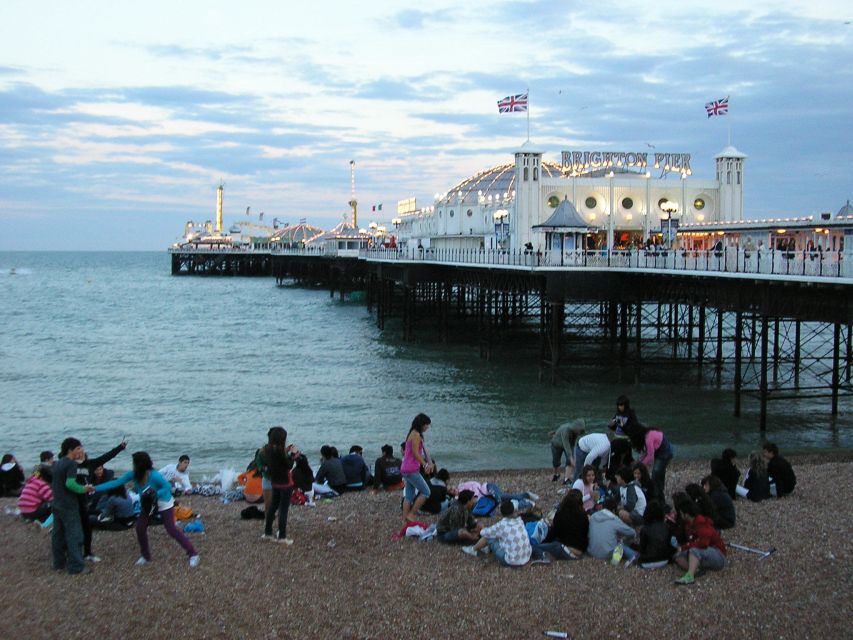
One challenge with LGBTQ history tours is that they can accidentally flatten time into one mood. This one avoids that. You cover 1950s lesbian and gay life and also political activism, so you see change over time instead of one static idea of queer Brighton.
You also hear about the route spanning more than 200 years. That breadth is useful if you want a well-rounded starting point for future exploring. Instead of Googling forever later, you walk away with a framework: how social life, culture, and activism evolved together.
If you are the type who likes questions, this section is where you will get value quickly. A good guide can connect the dots between personal stories and larger movements, and the feedback you get about this guide suggests he answers questions easily.
Also inked in under Brighton
- Brighton: Royal Pavilion Admission Ticket★ 4.7 · 956 reviews
- From Brighton: Seven Sisters and South Downs Tour★ 4.9 · 746 reviews
- Brighton: City Sightseeing Hop-On Hop-Off Bus Tour★ 4.5 · 352 reviews
- Brighton: Zip Wire Experience Ticket★ 4.5 · 302 reviews
Kemptown finish: the place-name becomes a lived story
Ending in Kemptown gives the whole tour a payoff. The Kemptown district is not just a label, it is tied to the modern identity people associate with Brighton today.
I like finishing in the gay district because it helps you instantly translate history into how you can explore the rest of the city. After 1.5 hours of learning, you are better at spotting what comes next: where to wander, where to look for landmarks related to the stories, and how to understand the neighborhood’s role in that larger gay capital reputation.
Also, Kemptown is a nice way to transition from guided learning back into independent exploring. You can leave with a sense of direction, rather than thinking the tour was an interesting lecture that ends and disappears.
The people: famous and forgotten, connected to real streets
This tour stands out because it refuses to focus only on the obvious famous names. Yes, you hear about big cultural figures like Anne Lister, Lord Byron, Oscar Wilde, and Dusty Springfield. But you also get extraordinary unsung heroes, and that balance makes the walk feel human.
Here are a few examples of the kinds of lives the tour brings into view:
- A pioneering doctor who lived as a man long before women were allowed to practice medicine
- An Edwardian drag king
- A same-sex marriage in 1923
- Stories that span Regency Dandies, 1950s lesbian and gay life, and political activism
That mix matters because it gives you different lenses. Famous names help you connect to popular culture, while lesser-known stories show you what it took to live a life with real stakes. Together, they do a better job explaining why Brighton became known for queer community and expression.
Ric’s guide style: conversational, easy to listen to, built for questions
The guide experience is a big part of why this tour earns strong ratings. His approach comes across as friendly and easy to talk to, which is a practical advantage on a subject like this. When you can ask questions, you get personal context instead of just hearing a script.
Guests also highlight that the guide is approachable and that his passion comes through. That is not a minor detail. On history tours, when the guide cares, you tend to remember more, and you usually get better explanations for the moments that could otherwise feel abstract.
One extra perk mentioned by guests: you may have the opportunity to buy a book with guided walking tours at the end. If you like this kind of history and want more walking routes during your stay, that is a smart way to extend the experience without starting from scratch.
Price and value: why $52 for 90 minutes can be a smart buy
At about $52 per person for 1.5 hours, this is not a budget “grab and go” activity. But it can still be good value, especially if you consider what a guided, accurate walk saves you.
Here is what you get for the money:
- A live professional guide (Blue Badge)
- A small group maximum of 12
- A structured route that strings together seafront, Lanes, and Kemptown
- A timeline that spans over 200 years, not one theme
If you are visiting for a short time, a single well-designed tour is often the fastest way to build context. You can spend the rest of your trip walking with better instincts, spotting connections, and knowing what to look for next. That is why history tours at this price point often pay off, particularly in a city where neighborhoods have layered identities.
Who should book this tour, and who might want something else
This tour is ideal if you:
- Want a quick but well-scaffolded introduction to LGBTQ history in Brighton
- Like walking routes and prefer learning outdoors where locations actually matter
- Enjoy stories that mix famous figures with real-life pioneers and lesser-known people
- Want to understand why Brighton earned the gay capital reputation
You might think twice if you:
- Prefer very slow travel with lots of breaks and minimal talking
- Want a nightlife-style experience rather than a history-focused walk
But if you want a serious start that still feels welcoming, this is exactly the kind of tour that makes a city click.
Practical tips so you enjoy the full 1.5 hours
A few things make a difference for a walking tour like this.
Wear comfortable shoes. The route includes the Lanes, and any older-street walking can be hard on slick shoes.
Bring questions. This is the kind of tour where asking about how people lived, navigated risk, or built community can turn the whole experience from interesting to memorable.
Plan your timing. Since the tour lasts 1.5 hours, place it early in your stay if possible. You will get more out of it when you can apply what you learn to the rest of the day’s exploring.
Should you book Brighton: Piers & Queers LGBTQ History Tour
I think you should book this tour if you want a guided, story-led way to understand Brighton’s LGBTQ legacy in a short time. The combination of Blue Badge expertise, a small group, and a route that connects the seafront, Lanes, and Kemptown gives you a clear sense of place.
If you are curious about both famous names and unsung pioneers, you will likely enjoy the balance. And because the guide is described as easy to listen to and happy to answer questions, you are not just collecting facts, you are building understanding.
If you enjoy being outdoors and you want a strong first impression of the city’s identity, this is a very solid choice.
FAQ
How long is the Brighton: Piers & Queers LGBTQ History Tour?
The tour lasts 1.5 hours.
Where do I meet for the tour?
You meet by the statue at Regency Square, Brighton BN1 2FZ, UK.
What is the group size for this tour?
It is a small group semi-private tour with a maximum of 12 people per tour.
Is there a live guide, and what language is it in?
Yes, it includes a live tour guide, and the tour is in English.
Is the tour wheelchair accessible?
Yes, the tour is wheelchair accessible.
What does the tour cover in terms of time periods and people?
The tour covers over 200 years of history, including Regency dandies, 1950s lesbian and gay life, and political activism. It also includes stories connected to Anne Lister, Lord Byron, Oscar Wilde, Dusty Springfield, plus unsung heroes like a pioneering doctor who lived as a man long before women were allowed to practice medicine, an Edwardian drag king, and a same-sex marriage in 1923.
Can I cancel or pay later?
You can cancel up to 24 hours in advance for a full refund. You can also reserve now and pay later.
Newest entries under Brighton




Historical Tours, compared.

Westminster Abbey Tour with a Royal Heritage Guide
Read our review →
Browse the lists this tour appears in