
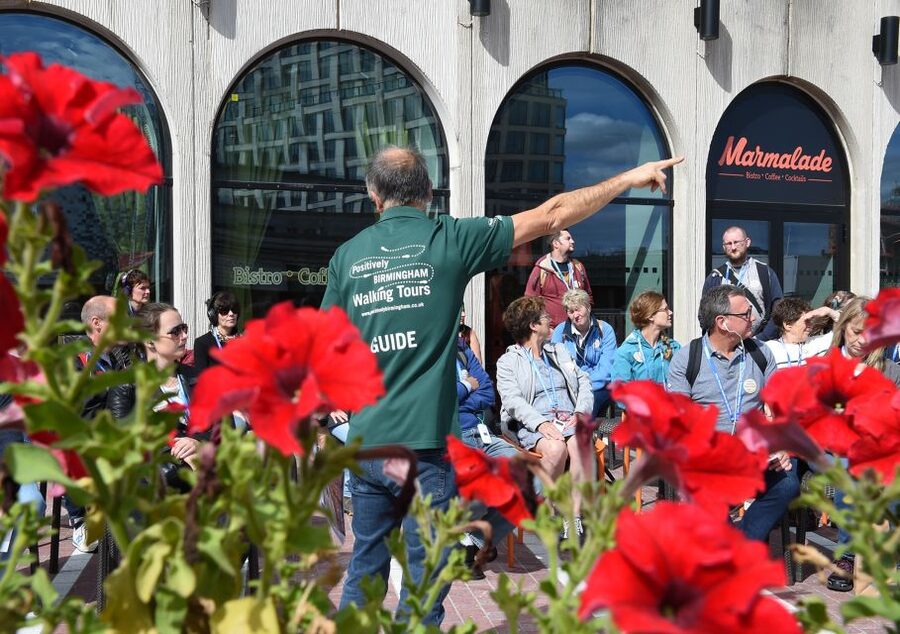
Reviewed · WALKING TOURS
Birmingham: Discovering Birmingham Guided Walking Tour
Birmingham’s history runs on water. This guided walking tour threads together canals, industry, and the city’s reinvention, with a clear live guide and an audio receiver that makes the details easy to catch. I love how the Jewellery Quarter is explored from the canal side, so you see how work, water, and movement shaped everyday life. I also like that the story moves in time, from Georgian to Victorian, then straight into what post-war redevelopment did to parts of Birmingham.
One thing to consider: you will cover about 3 km over 2 hours, and sections are outside. If you have mobility limits, you might want to plan for a slower pace and steady shoes.
In This Review
- Key highlights
- From the Library of Birmingham to a city built by work
- The canal system, and why water mattered more than you’d think
- Finding the secret canal and stepping into the Jewellery Quarter era
- Georgian to Victorian industry, and the speed of turning ideas into factories
- Modern Birmingham now, and the cost of post-war redevelopment
- St Philip’s Cathedral, English Baroque style, and the churchyard lessons
- Price and listening tech that makes the $20 value make sense
- Practical tips: shoes, earphones, and pacing for a 3 km walk
- Who this tour fits best, and who might want a different option
- Should you book Birmingham Discovering Birmingham Guided Walking Tour?
- FAQ
- How long is the Birmingham guided walking tour?
- What distance do I walk during the tour?
- Where is the meeting point?
- Is the tour guided in English?
- Do I need to bring earphones?
- Can I cancel and get a refund?
Key highlights
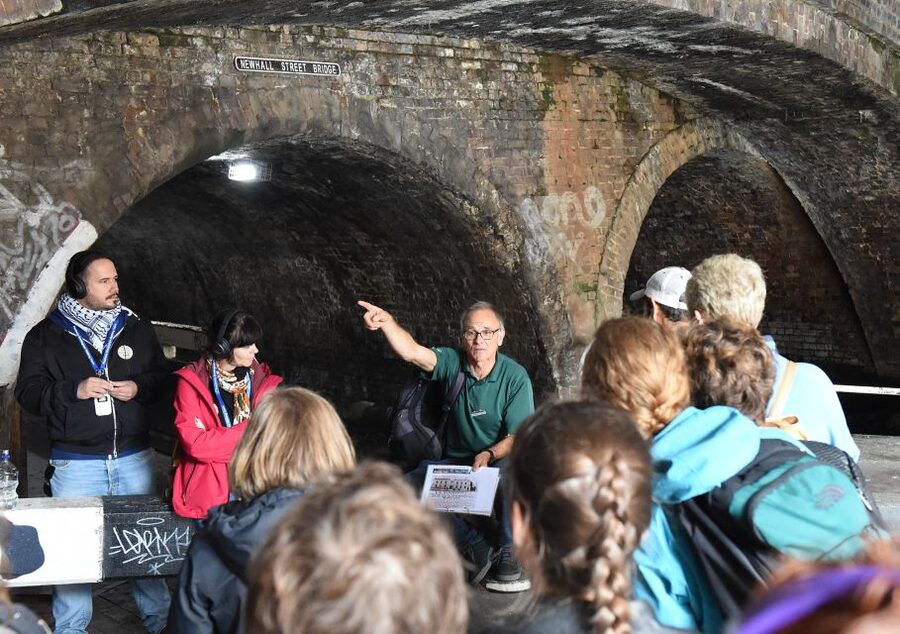
- Canal-side walk through Birmingham’s historic Jewellery Quarter, with the water system as your “timeline”
- Secret canal route that shows how industry connected to transport and power
- Georgian and Victorian industry stories in plain language, from ideas to factory production
- Real contrast between post-war redevelopment problems and today’s push toward a modern world city
- St Philip’s Cathedral with English Baroque architecture and a churchyard tied to tough local issues
- Audio receiver + tour book, useful if you want clarity without craning your neck
From the Library of Birmingham to a city built by work
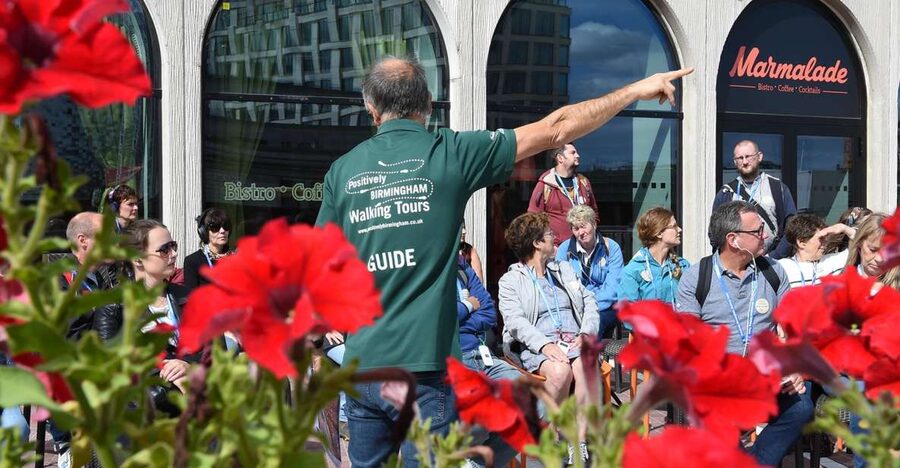
Most Birmingham tours start with buildings. This one starts with how the city ran. You meet at the front entrance of the Library of Birmingham, usually near a small pop-up stand. It is a practical choice, central enough to orient yourself fast, and close to where the city’s story begins to feel physical.
Once you are issued an audio receiver, the experience becomes more accessible in the real-world sense. You can actually hear the guide while you walk, which matters when the commentary is doing the heavy lifting. This is not just sightseeing. The guide is explaining why certain places exist, and how Birmingham grew into the place it became.
The tone also helps. In the hands of Birmingham enthusiast Jonathan, the tour feels interactive and motivating, not lecture-y. You get a lot of context without the vibe of a classroom.
More British streets at boot pace:
- Birmingham: Slogging Gangs Guided Walking Tour
★ 4.2 · 216 reviews - Birmingham: Guided City Center Walking Tour (10:30am & 2pm)
★ 4.8 · 186 reviews - Birmingham Slogging Gang Evening Walking Tour with Pub Stops
★ 4.7 · 31 reviews
The canal system, and why water mattered more than you’d think
After meeting up, the walk focuses on the canal network and its origins. You will learn why Birmingham’s canal system was more than decoration or a scenic detour. Canals were a work tool. They moved heavy materials and supported the logistics of industry when rail and highways were still future ideas.
As you head toward the Jewellery Quarter area, the guide’s framing makes the city easier to understand. I like this approach because it connects the dots for you. You stop treating the Quarter like a cluster of old buildings and start seeing it as an operating system: water routes, workshops, and transport linked together.
A standout moment is the idea of the original canal. Rather than only describing canals as a concept, the tour builds the story so you grasp what canals made possible. That shifts how you look at Birmingham. Even when you are just walking beside water, you start noticing the logic of trade and production.
Finding the secret canal and stepping into the Jewellery Quarter era
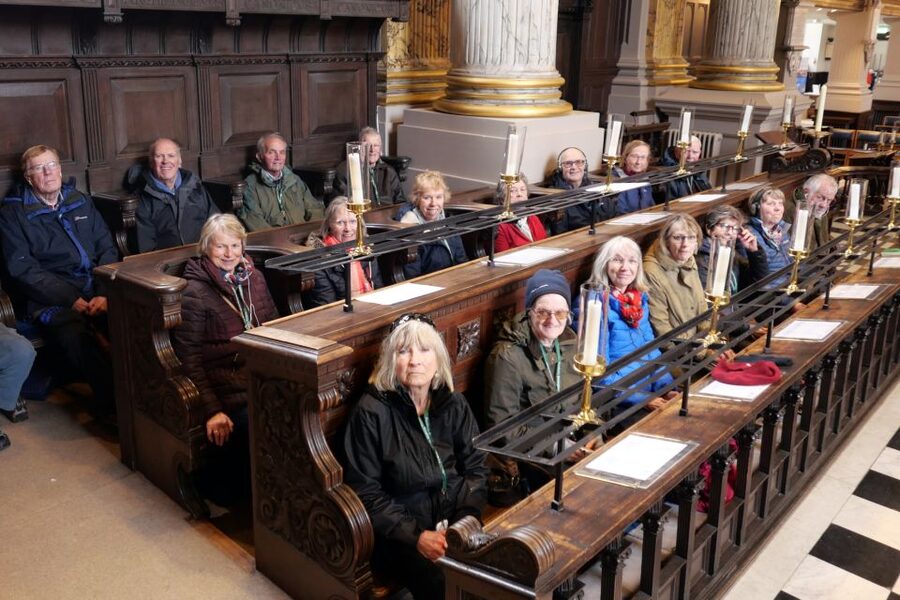
One of the most memorable parts of the experience is the walk through the secret canal to the Jewellery Quarter. The word secret here is doing real work. It signals that you are not just passing by obvious highlights. You are taking a route that helps you see the hidden structure of the place.
The Jewellery Quarter itself grew into a key home of Birmingham’s Industrial Revolution starting in Georgian times. That matters, because Georgian Birmingham is when the city’s industrious identity starts taking shape in a way you can recognize later in Victorian industry. As you move through the Quarter, the guide ties changes in the built environment to changes in how people worked.
Here is what makes this section valuable for you: it gives you a cause-and-effect map. You see where industry took root, then you watch how it scaled up.
You also get a few surprises along the way. The tour keeps you alert, so you are not just following a line on a page. Instead, you are picking up small cues about the area’s character and the way the canal-side setting supports the industrial story.
Georgian to Victorian industry, and the speed of turning ideas into factories
The tour continues into the Victorian era, and this is where the timeline really starts to feel alive. The guide explains how inventors and entrepreneurs seized the moment, and how ideas became large-scale factory production quickly.
This is one of those stories that can sound abstract if it is told like a history lecture. On the ground, it becomes clearer. You are surrounded by the kind of environment where innovation and production had to meet practical needs: power, transport, space, and skilled labor.
What I like is the balance between big-picture history and small details you can picture. You hear how quickly production could expand once systems and demand aligned. That helps you understand why Birmingham earned a reputation as a serious industrial center, not just a city with interesting old streets.
And because the guide keeps bringing you back to how the Quarter functioned, you are not left with a list of dates. You have a sense of momentum, and you understand why the Jewellery Quarter became what it became.
Also inked in under Birmingham
- Birmingham: Cadbury World Entry Ticket★ 4.4 · 230 reviews
- From Birmingham: Cotswolds Full-Day Tour★ 4.7 · 215 reviews
- Birmingham: Winterbourne House and Garden Admission Ticket★ 4.7 · 199 reviews
- From Birmingham: Stonehenge & Bath Day Tour★ 4.6 · 158 reviews
Modern Birmingham now, and the cost of post-war redevelopment
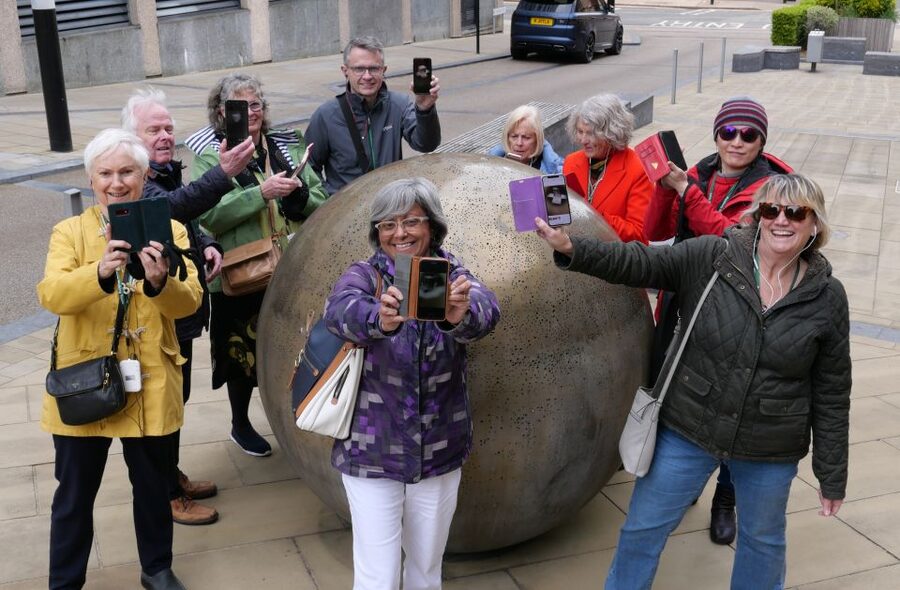
Then the walk shifts to the city’s more complicated side. You will see the contrast of post-war redevelopment and the serious issues it caused in parts of Birmingham. This is not sugarcoated. The guide points out the strain and the consequences, which is important because it keeps the story honest.
At the same time, the tour does not stop at problems. It makes room for the reality that Birmingham is rejuvenating itself to become a modern world city. You can feel that dual message while you walk: the old industrial logic is still around, but the city is actively reshaping itself.
This section is where you get more than sightseeing value. You learn to read the city like a living document. Streets and building styles stop being random, and start acting like clues about policy decisions, economic pressures, and changing priorities over time.
St Philip’s Cathedral, English Baroque style, and the churchyard lessons
Back in the city center, the tour reaches St. Philip’s Cathedral. The standout here is the English Baroque architecture, which you can spot quickly, especially if you pay attention to the churchyard setting and how the structure sits within its surroundings.
This stop is also a narrative anchor. The guide connects the cathedral area with themes from earlier in the walk. The churchyard is described as a place that hides difficult issues the town grappled with as Birmingham became the workshop of the world.
That phrase matters because it reframes what you’ve been hearing. Earlier, you focused on canals, production, and industry growth. Here, you face what that growth demanded from the people living through it. You start to understand why a working industrial city has more than one story to tell, not just the success part.
If you like architecture but also want meaning, this is a strong finish. The cathedral is a visual payoff, but it also keeps the themes tight: work shaped life, and Birmingham had to deal with the consequences.
Price and listening tech that makes the $20 value make sense
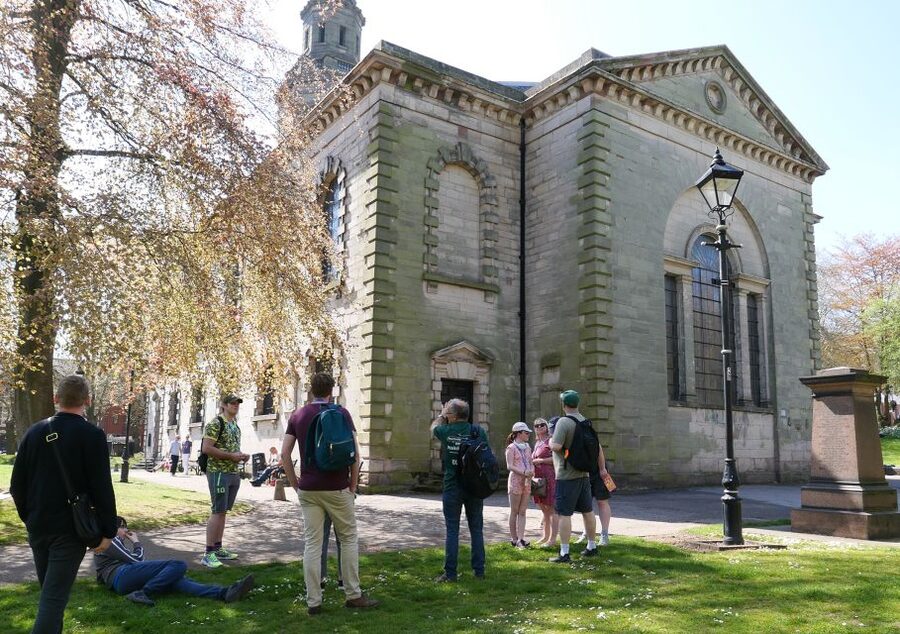
At $20 per person for about 2 hours, this tour is priced for what you get: a structured guided walk, a live commentary system, and a take-home tour guide book.
The biggest value lever is the audio receiver. When a tour includes enough factual storytelling to matter, hearing quality is not a small thing. With the receiver, you are not forced to constantly turn your head or guess what you missed.
You also get a tourist guide book. Even if you are the type who usually skips handouts, this one is worth paying attention to because the guide uses it as part of the experience. It gives you a way to keep learning after the walk ends, which helps you remember what you saw.
Compared with DIY walking, you save time because the guide does the contextual work. Compared with a longer formal tour, you save energy because the route stays focused and compact.
Practical tips: shoes, earphones, and pacing for a 3 km walk
The walk totals about 3 km (2 miles) over 2 hours, so it is not long on paper. Still, it is long enough to feel like a proper walking outing.
Bring comfortable shoes. This is especially important around canal-side areas, where surfaces can feel uneven. If you plan to take photos often, you will want to build a little extra time in your head, even though the tour itself is timed.
Earphones: the tour includes the audio receiver. If you do not have your own earphones with a 3.5 mm jack, you can receive one in exchange for a small donation supporting homelessness in the city. That is a thoughtful option, and it avoids the awkward moment of realizing you cannot hear the guide clearly.
The other practical win: the group can keep moving without the stop-and-start that happens when people cannot hear. So the pacing stays smooth.
Who this tour fits best, and who might want a different option
This is a great fit if you like history, but you want it explained in a way you can walk through. You will enjoy it if you care about industry, canals, urban change, and architecture, especially if you like seeing how a city’s systems shaped everyday working life.
It is also a good first Birmingham tour. It helps you make sense of the city fast because it gives you a clear through-line: transport and canals, then industrial growth, then redevelopment and reinvention, then a final architectural and thematic stop at St Philip’s Cathedral.
You might consider a different style of tour if you need very limited walking time or if outdoor walking is a challenge for you. The route is only 3 km, but it is still outdoors for part of the experience.
Should you book Birmingham Discovering Birmingham Guided Walking Tour?
Book it if you want a focused, story-driven walk that explains why Birmingham looks the way it does today. The price feels fair because the guide’s commentary is supported by the audio receiver, and you get a book to take home. The route also avoids the common problem of industrial history tours that only show you buildings. Here you get canals, hidden routes, and a clear timeline, so you end the tour understanding the city’s logic.
Skip it or compare alternatives if you are looking for mostly photo stops with minimal walking context. This tour earns its money by talking, connecting, and interpreting. If that is what you want, it is a strong choice.
FAQ
How long is the Birmingham guided walking tour?
The tour lasts 2 hours.
What distance do I walk during the tour?
The total distance walked is about 3 km (2 miles).
Where is the meeting point?
You meet at the front entrance of the Library of Birmingham. There is normally a pop-up stand where you meet.
Is the tour guided in English?
Yes, the tour includes a live tour guide in English.
Do I need to bring earphones?
The tour uses an audio receiver. The info provided says to bring earphones with a 3.5 mm jack, otherwise you can receive one in exchange for a small donation to a charity supporting homelessness in the city.
Can I cancel and get a refund?
Yes. There is free cancellation up to 24 hours in advance for a full refund.
Newest entries under Birmingham






Walking Tours, compared.
Magical London: Harry Potter Guided Walking Tour
Read our review →
University and City Walking Tour with Alumni Guide
Read our review →
Harry Potter Movies Walking Tour (Kids Go Free)
Read our review →
The Great British Rock and Roll Music Walking Tour
Read our review →

Harry Potter Walking Tour Including New College
Read our review →Browse the lists this tour appears in