
Reviewed · MUSEUMS
Barbara Hepworth Museum & Sculpture Garden: entry to site.
Barbara Hepworth’s garden feels like time travel. You get her home setting, her work, and her larger sculptures in one compact visit, all in South West England. I love the way the museum rooms are tied to where she lived and worked, and I love the sub-tropical garden setting for the sculptures. The main drawback is practical, the site is small and there’s no café or refreshment stop on site, so plan your timing and hunger.
This is also a calm, small-group experience, limited to 9 participants, which means you can actually look closely instead of racing through. The staff tend to be friendly and easy to talk to, and the information boards are presented in a way that helps you connect her life with what she made. If you’re coming for a quick photo stop only, the rules around cameras and tripods mean you’ll want to go with a mindset of close looking.
In This Review
- Key Points to Know Before You Go
- One Ticket to Barbara Hepworth’s House, Museum Rooms, and Sculpture Garden
- Walking In: The Admission Area Timeline of Hepworth’s Career
- Upstairs Museum Rooms: Works Displayed in Her Former Living Area
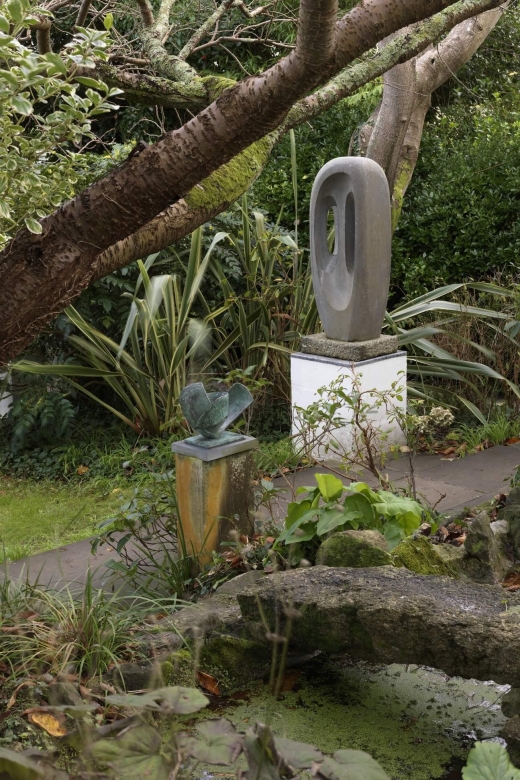
- Stepping Outside: The Sub-Tropical Sculpture Garden with Larger Works
- Why This Home-and-Garden Setting Makes Hepworth’s Work Easier to Read
- Price and Value: Is $13 Worth It?
- How Long to Plan: A Short Visit That Still Feels Complete
- Planning Your Visit: Rules, No-Café Reality, and What to Bring
- Wheelchair access, if you need it
- Who Should Book This Hepworth Visit, and Who Might Prefer Something Else
- Should You Book the Barbara Hepworth Museum and Sculpture Garden?
- FAQ
- How much does the Barbara Hepworth Museum and Sculpture Garden cost?
- How long should I plan for this visit?
- What is included in the ticket?
- Is there a café or place to buy refreshments on site?
- Is the museum wheelchair accessible?
- Are there toilets on site?
- Are pets allowed?
- Are drones or professional cameras permitted?
- Is smoking allowed?
Key Points to Know Before You Go
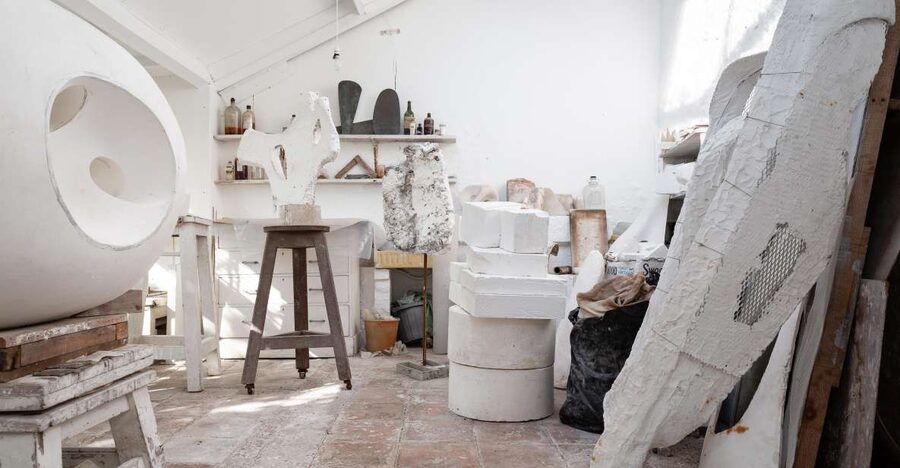
- A home-and-garden visit, not just a gallery, with Hepworth’s former living area and studios views included
- Sub-tropical garden sculptures, including larger works placed outdoors where you can slow down
- A career timeline at the entrance, with archive photos and artefacts in chronological order
- A site kept very close to how it was, so the scale and layout feel authentic
- No café and limited shop, so come ready for a short, focused visit
- Small group size of up to 9, which makes the experience feel more personal
One Ticket to Barbara Hepworth’s House, Museum Rooms, and Sculpture Garden
With one admission price (about $13 per person), you’re not just buying access to a single exhibition room. You’re getting a full, connected experience across spaces that matter: the archive area, the museum rooms in her former home, and the sculpture garden outdoors. It’s the kind of visit where the setting helps you understand the art, instead of the art existing in isolation.
I think this works especially well if you like modern art but find it easier when you can place it in context. Seeing sculptures inside a home environment, then walking out into a garden where larger works are arranged, makes the whole idea of sculpture feel grounded in daily life.
More gallery rooms between showers:
- London: Chelsea Football Club Stadium and Museum Tour
★ 4.8 · 4,576 reviews - London: British Museum Guided Tour
★ 4.3 · 1,182 reviews - London: British Museum Guided Tour with Entrance Tickets
★ 4.9 · 748 reviews
Walking In: The Admission Area Timeline of Hepworth’s Career
Your visit starts in the admission area, where you’ll see archive material arranged in a chronological flow. Expect chronological photos and artefacts that trace Hepworth’s career step by step. This opening section matters because it gives your eyes a route, you’re not just reacting to individual works, you’re understanding how her thinking developed over time.
What I like about starting here is that it changes how you look when you move upstairs. Instead of wondering what a particular style means, you can match the artwork to the phase of her career it belongs to. If modern art can feel a bit like coded language, this kind of guide rail makes it far less intimidating.
You’ll also pick up information tied to her life and work, which sets you up for the house rooms. If you’re visiting with someone who thinks they know Hepworth already, this section is still worth your time, because it gives the “why” behind the “what.”
Upstairs Museum Rooms: Works Displayed in Her Former Living Area
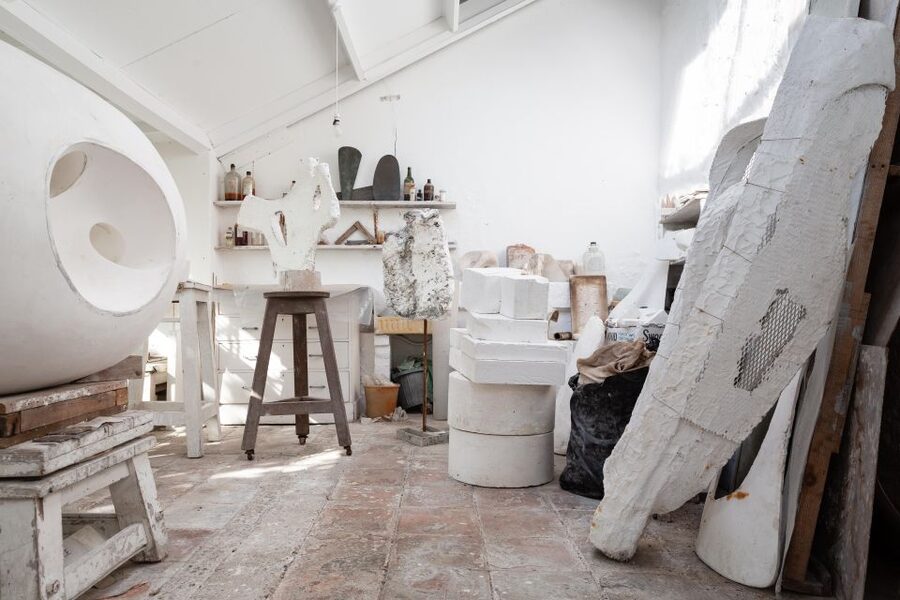
After the entrance displays, you head upstairs to the museum portion. Here, you’ll see a selection of works by Barbara Hepworth placed in her former living area. This is one of the most distinctive parts of the experience, because the rooms are not set up as a generic white-box museum.
I like how the placement helps you imagine the scale and presence of sculpture in everyday space. In a museum building, sculptures can feel like they’re floating in a neutral context. In a home context, you get a stronger sense of how space, light, and routine influence what art looks and feels like.
In this upstairs area, you’ll find a mix of mediums, including abstract sculptures, plus paintings and drawings. You’ll also see information tied to Hepworth’s work studios, including views that help connect what you’re seeing with where her process happened.
A small consideration: this part of the site can be quite focused and compact. If you’re expecting a huge collection with endless rooms, you might feel the total time is shorter than you planned. But the upside is that you can actually pay attention without burning out.
Stepping Outside: The Sub-Tropical Sculpture Garden with Larger Works
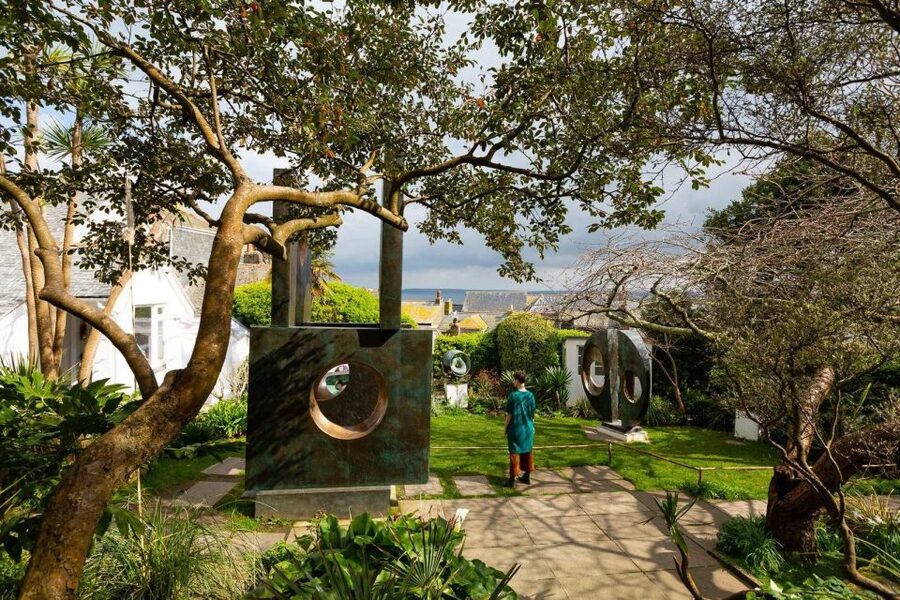
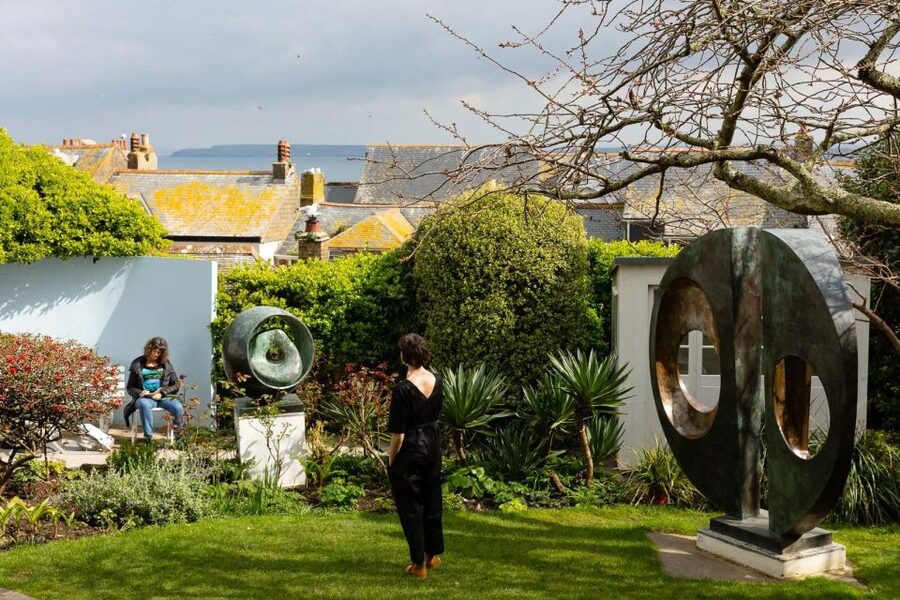
Then you go outside to the sculpture garden, where the experience shifts from indoor viewing to outdoor wandering. The garden is described as sub-tropical, and that matters because it changes the mood and the look of the works. You don’t only see sculptures, you see how they sit with plants, paths, and changing light.
Here you’ll find additional larger-scale sculptures, placed around the garden so you can circle, compare, and pause. The bigger works tend to feel different outdoors, they read as objects you live near, not things you simply stand in front of.
This is also where you can slow down and enjoy the pacing. The site is largely unchanged since Hepworth lived and worked there, so the layout and scale feel lived-in, not redesigned for visitors. That authenticity can be a big reason people leave feeling inspired rather than just satisfied.
If you’re someone who likes a garden stroll that is also an art walk, you’ll probably enjoy the way the sculptures and planting support each other. The garden doesn’t compete with the art, it frames it.
A page further on, still in London:
- London: The London Eye Entry Ticket★ 4.6 · 35,875 reviews
- From London: Harry Potter Warner Bros Studio Tour★ 4.7 · 26,588 reviews
- London: Westminster to Greenwich River Thames Cruise★ 4.5 · 22,836 reviews
- Magical London: Harry Potter Guided Walking Tour★ 4.7 · 22,044 reviews
Why This Home-and-Garden Setting Makes Hepworth’s Work Easier to Read
Barbara Hepworth’s sculpture can be surprisingly physical, even when it’s abstract. The shape language is about form, mass, voids, and balance. When you see these pieces in an intimate, domestic context, then in a garden context, you start noticing how sculpture occupies space.
That’s the value here. You’re not only looking at finished objects, you’re experiencing the relationships between:
- studio views and the idea of making art, not just displaying it
- interior rooms that make you consider scale and light
- outdoor placement that turns sculpture into something you walk with
The site staying close to how it was while she lived and worked there is not a minor detail. It is part of what makes this visit feel honest. It also helps you understand why Hepworth’s work grew from observation and process rather than from abstraction in a vacuum.
And there’s a quieter emotional factor too. Several people highlight feeling uplifted or inspired by the sculptures in this setting. That tracks with the way the garden gives you room to breathe and the house spaces keep things personal.
Price and Value: Is $13 Worth It?
At around $13 per person, this is priced like an art stop that stays accessible. The question is what you’re actually getting for that money, and the list is strong for a site of this size.
Your ticket includes:
- entry to the original home and garden
- archive information and images from Hepworth’s career
- abstract sculptures
- paintings and drawings
- views of work studios
- the sub-tropical garden with outdoor sculpture works
When you compare that to typical museum pricing, the mix of indoor and outdoor spaces, plus the career timeline and studio views, is a lot of value packed into a short day.
The “but” is that it’s also a relatively small site. If you want hours and hours of gallery time, you might feel you finished quicker than expected. If you want high-quality looking time, this compact format is a strength.
How Long to Plan: A Short Visit That Still Feels Complete
The overall duration is listed as 1 day. In practice, you’re likely to treat it as a focused visit rather than an all-day plan. Some visitors report spending around an hour, especially when they take time for both the house rooms and the garden.
I’d plan for roughly an hour to an hour and a half, depending on how slowly you walk and how long you pause with each sculpture. If you skip the timeline area, you’ll move faster, but you’ll lose part of the context that makes everything click upstairs and outside.
Planning Your Visit: Rules, No-Café Reality, and What to Bring
This is a rule-forward site, and it’s worth knowing the pattern before you arrive. The site includes a lot of original space and exhibits you’re meant to see carefully, so the rules focus on protecting the art and keeping the experience quiet.
A few practical notes that matter:
- There’s no café or refreshment facilities, so plan meals and snacks elsewhere.
- Only one toilet is available on site.
- Smoking is not allowed.
- Pets are not allowed, but assistance dogs are allowed.
- Touching exhibits is not allowed, so keep your hands to yourself.
- Drones are not allowed.
- Professional cameras are restricted, and flash photography, tripods, and similar gear are not allowed.
This also helps you set the right expectations. Go for close looking, calm wandering, and spending time in the rooms and garden rather than treating it as a rapid photo mission.
Wheelchair access, if you need it
Wheelchair access is available via a side street entrance by arrangement ahead of your visit. If you’re planning accessible routes, it’s smart to arrange ahead so you don’t waste time on arrival.
Who Should Book This Hepworth Visit, and Who Might Prefer Something Else
I’d recommend this experience if:
- you love Barbara Hepworth’s work or modern sculpture in general
- you appreciate art shown in the place where the artist lived or worked
- you want a peaceful, compact visit with time to look
- you enjoy gardens and outdoor sculpture as much as indoor galleries
You might hesitate if:
- you’re looking for a long, large-scale museum day
- you need a café stop on site during your visit
- you rely on bringing lots of photography gear (many items are restricted)
This isn’t a party-style attraction. It’s a quiet, reflective art stop where the setting is part of the message.
Should You Book the Barbara Hepworth Museum and Sculpture Garden?
Book it if you want a short, high-impact visit that connects Hepworth’s life and working spaces with the art itself. The site staying largely unchanged since she lived and worked there is a big deal, and the combination of an archive timeline, museum rooms in her former living area, and a sub-tropical sculpture garden makes the ticket feel like more than the sum of its parts.
Skip it or consider another option if you need a long entertainment-style outing or you rely on on-site refreshment facilities. Also, if photography and gear flexibility are a major part of your visit style, the rules may frustrate you.
If you’re ready for calm looking, garden strolling, and modern art that feels rooted in place, this is a strong pick for South West England.
FAQ
How much does the Barbara Hepworth Museum and Sculpture Garden cost?
The entry price is about $13 per person.
How long should I plan for this visit?
It is listed as a 1-day experience. Many people spend around an hour, but your pace will depend on how long you look at the house and sculpture garden.
What is included in the ticket?
Your ticket includes entry to Barbara Hepworth’s original home and garden, archive information and images, abstract sculptures, paintings and drawings, and views of Hepworth’s work studios. It also includes the sub-tropical sculpture garden.
Is there a café or place to buy refreshments on site?
No. The site has no café or refreshment facilities.
Is the museum wheelchair accessible?
Yes. Wheelchair access is available via a side street entrance by arrangement ahead of your visit.
Are there toilets on site?
Yes, there is only one toilet on site.
Are pets allowed?
Pets are not allowed, but assistance dogs are allowed.
Are drones or professional cameras permitted?
Drones are not allowed, and professional cameras are not allowed. Flash photography, tripods, and similar equipment are also restricted.
Is smoking allowed?
No, smoking is not allowed on site.
Newest entries under London






Museums, compared.
Tower of London and Crown Jewels Exhibition Ticket
Read our review →
Liverpool Football Club Museum and Stadium Tour
Read our review →
Chelsea Football Club Stadium and Museum Tour
Read our review →



British Museum Guided Tour with Entrance Tickets
Read our review →Browse the lists this tour appears in